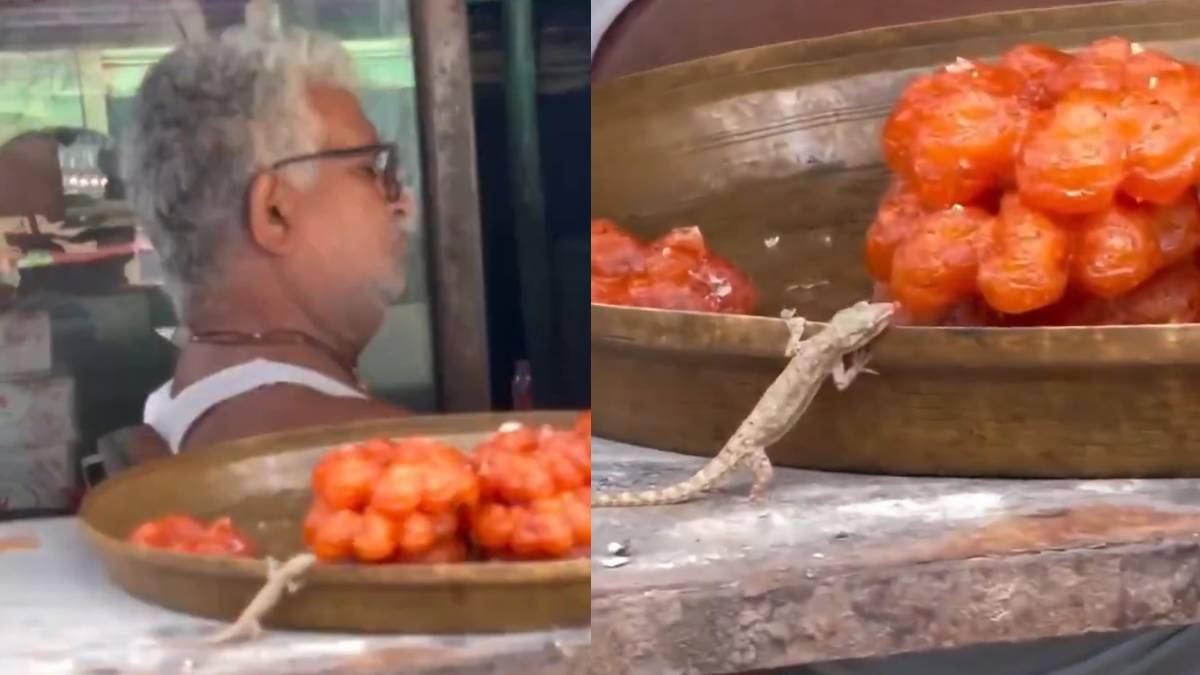
In another case of disturbing food safety, a poisonous lizard licking sweets kept inside a shop has raised fears of hygiene and food contamination for unknowing customers. The shopkeeper opened the store but was sleeping while the reptile was able to reach the sweets displayed for sale.
What will happen when a customer accidentally eats candy that has been contaminated by an animal?
If the hygiene and protective measures are not taken, food displayed openly can be contaminated. Animals and reptiles carry microorganisms, parasites, or other contaminants on their bodies, mouths, and skin. The food may be hazardous if they contact food that we are meant to eat.
The consequences of these foods will depend on the animal, the kind of contamination, and the amount of food that is contaminated. Foodborne illnesses (e.g., nausea, vomiting and stomach cramps) may be present, and diarrhoea and fever may be more severe.
It is important to distinguish between venom and contamination. Just the presence of a poisonous or venomous animal around food does not mean that food is full of venom. But if an animal were to cross an animal and an animal to a food, then food would still be a concern - and as such should not be sold or eaten.
If a reptile has been seen licking or crawling over sweets, the safest way is to treat the exposed food as contaminated and remove it from sale. Removing the part that looks to have been touched may not be enough, especially when the extent of contamination cannot be determined.
मालिक दुकान खोलकर सो रहा है लेकिन जो मिठाई रखी हुई है उसे एक जहरीला विषखोपड़ा चाट रहा है,अब अनजाने में कोई मिठाई खायेगा तो उसका क्या होगा ? pic.twitter.com/CkD3PJ6hLD
— Anvi Yadav (@Yadavanviroyal) August 19, 2026
The food storage in shops, bakeries and sweet stores should be handled well. All food should be protected from insects, rodents, reptiles and other animals. Covering display cases, sealed containers and proper storage should minimize contamination.
Shopkeepers are even more heavily responsible for the hygienic conditions. All food for customers should never be left exposed when animals can get to it. Cleaning, disposal of waste and pest control are critical to food safety management.
The incident is a reminder to consumers of how food is stored and displayed. If you see animals in contact with food, don’t buy or eat the offending products and tell the shopkeeper or food-safety authorities.
If one believes they have eaten contaminated food and then develop serious symptoms, they should be treated immediately. The most extreme symptoms may be persistent vomiting, severe abdominal pain, difficulty breathing, confusion, fainting, or other signs of serious illness.
And this incident is a great example of why food safety rules are so important to large restaurants and food processing facilities and small shops and local sweet stores too. A single lapse in supervision or storage can potentially expose multiple customers to a health risk.
At the same time, claims that an animal is “poisonous” should be independently verified rather than assumed from a picture or social media post. The exact species and the nature of any potential toxin or contamination can matter greatly in assessing the risk.
As a result, the safest principle of all is that food that has been directly contacted by an animal should not be consumed. The proper handling and storage of food can prevent such incidents and prevent customers from health problems they can’t afford.
The disturbing incident has opened up a conversation about food hygiene and consumer safety. If such an incident happened exactly as reported and is now circulating online, it serves as a reminder that food sold to the public needs to be stored securely, protected from animals, and handled in a manner that meets basic safety standards.