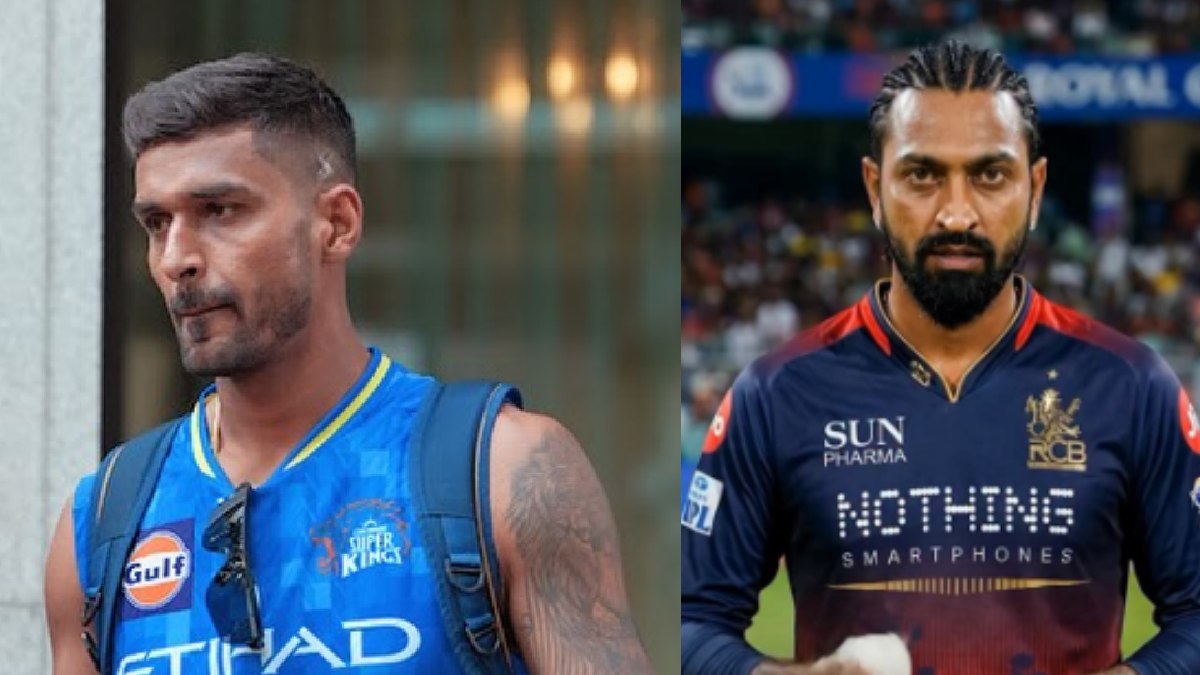
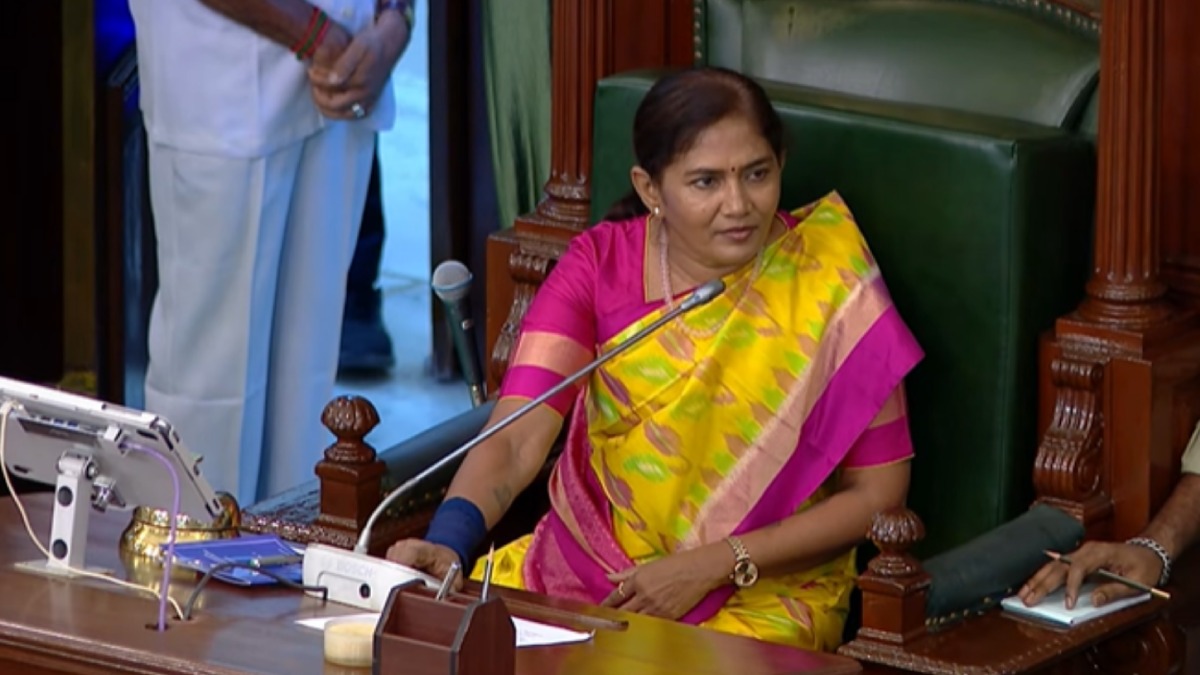
Chennai: DMK MLA Markandeyan was arrested on Tuesday for threatening to Tamilaga Vettri Kazhagam (TVK) president Vijay, triggering a fresh political controversy in Tamil Nadu. Police launched a probe after complaints were made regarding the allegations, so the police began a search for whether the allegations violate any law.
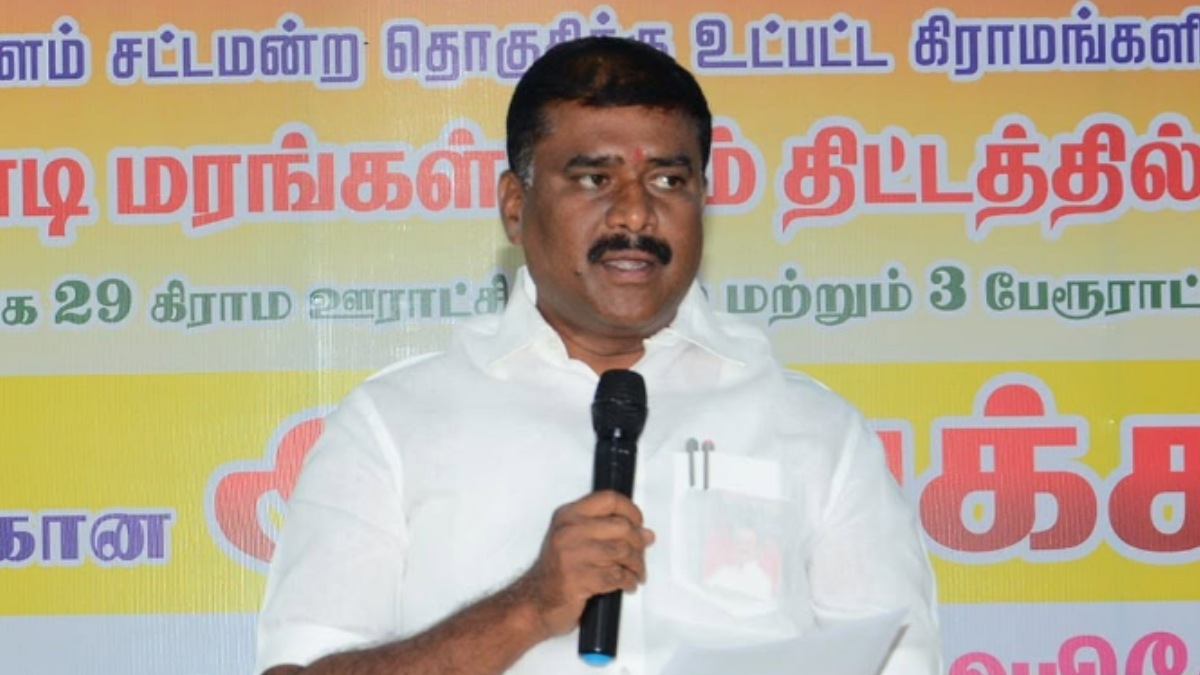
The arrest has been the subject of widespread political debate across the state, and leaders of both the ruling and opposition sides were quick to react to the event. Vijay supporters were in support of the police action, saying that threatening language is not appropriate in democratic politics, and the DMK called for due process and that the matter should be handled strictly according to the law.
According to early information, the controversy took place when remarks were made by the legislator during a political function (or public meeting or press conference) as well as in front of the media. The comments quickly spread on social media and were criticized, leading to a police complaint being filed.
Police were checking the complaints and available material, registered the case, and took the MLA into custody for questioning. The investigation is ongoing, and all the relevant evidence (video recordings, witness statements, and other supporting material) will be taken into account before any further action is taken, they said.
No firm conclusions have been provided so far, but we know the investigations are ongoing, police said. Police also asked people not to spread misinformation or unverified material on social media while the investigation is ongoing.
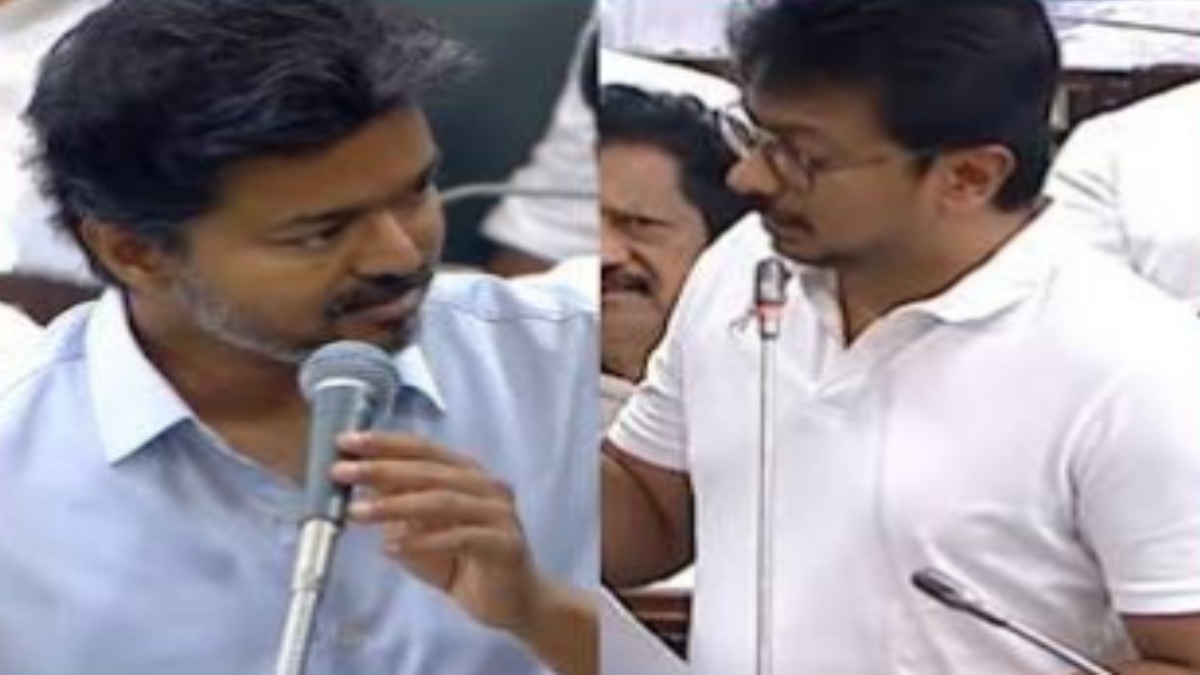
But it has also amplified political tension between rival parties in Tamil Nadu, where the tension has been on the rise in recent months. Public statements by leaders are often closely scrutinized, especially when threats are made or even threats of intimidation or inflammatory language are used, political analysts say.
TVK leaders called for hard-line legal action against those who sought to intimidate political foes and argued that democratic politics should be based on debate and public engagement, not just threats and provocative rhetoric in the name of personal branding.
But the DMK said that the legal process should proceed fairly and without political influence. Some party leaders stressed to everyone not to jump to conclusions before the investigation is over, reiterating that everyone should be entitled to due process under the law.
Legal experts say allegations of threats are evaluated in terms of the nature of the statements, available evidence, witness testimony, and legal provisions. A police and legal review of the remarks generally determines whether the statements constitute criminal charges or whether to proceed with law enforcement.
The arrest has also become a major topic of discussion on social media platforms, where supporters of various political parties have voiced different views. Some argued for stricter action against inflammatory political speech, while others said the judicial process should determine the facts.
As the episode illustrates, the need for moderation in public discourse, particularly during political campaigns and at public meetings, is not to be underestimated, and that we need to be civil and not incite violence in government. Political leaders should be expected to keep calm and not say things that could be seen as threatening or capable of disturbing the peace.
Further action in the case will depend on the findings of the investigation and the evidence gathered, they said. Further questioning and legal inquiries must be conducted if necessary.
The case will continue to remain in public and political focus for the foreseeable future as investigators continue to investigate. The investigation will be conducted in a fair and unbiased manner, and any prosecution will be made based on the evidence available.