At the World Economic Forum held in Davos, Gita Gopinath from the International Monetary Fund (IMF) expressed India’s fate forcefully and directly at that time. India had to stop worrying so much about tariffs and concentrate on pollution, she said. Pollution, she said, is a much greater threat to India’s economy and health than trade taxes. Her comments have prompted a whole slew of discussions in media, politics and public dialogue circles.
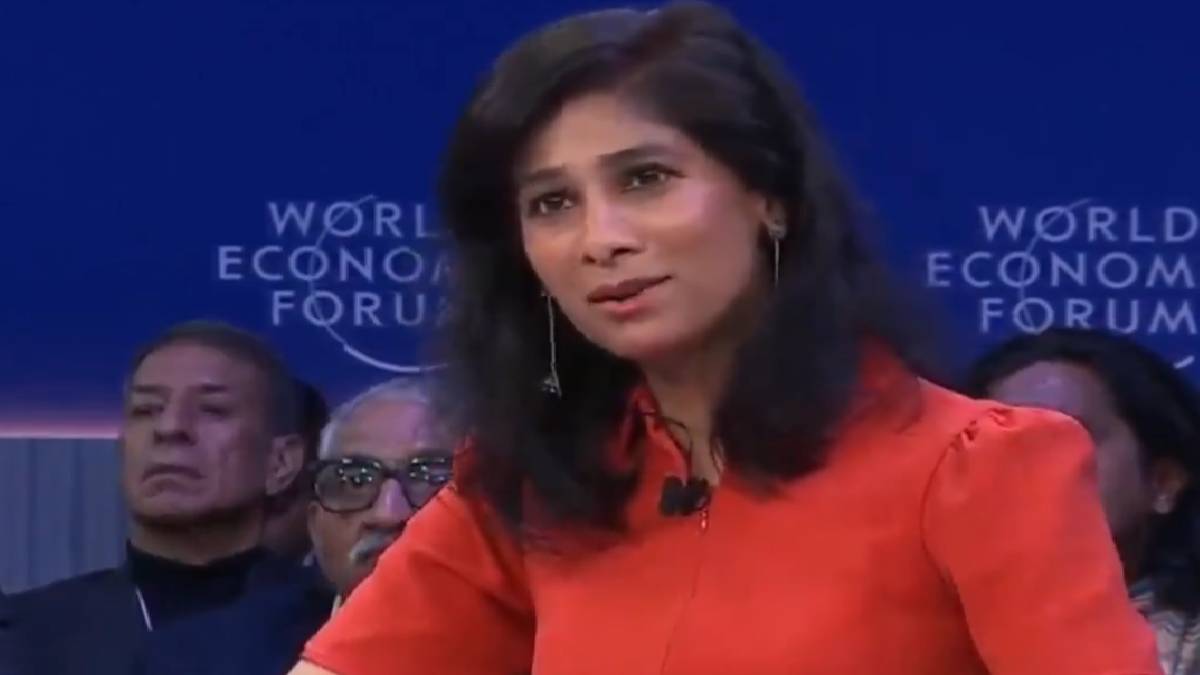
What Did Gita Gopinath Say?
Gopinath said that tariffs, or additional taxes on imported goods, can influence trade, but pollution inflicts damage that is more severe and lasts longer. She said:
“India ought to be worried about tariffs later and pollution first.” “It is far more powerful for India than any tariff in the world.” Pollution impacts people’s health, reduces work productivity and drives up medical costs, she said, highlighting the importance of public health awareness and intervention. These issues undermine the economy and damage the country’s future.
Why Pollution Is a More Common Issue?
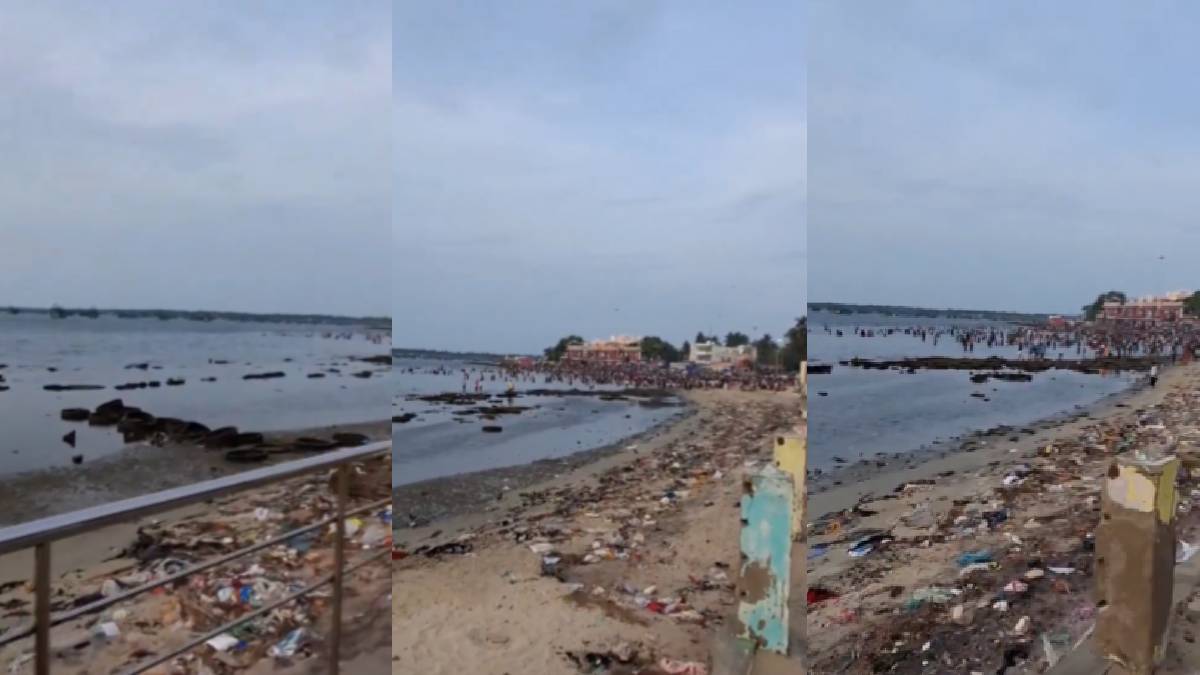
India has among the world’s most polluted cities. Air and water pollution, and waste mismanagement are not minor problems. Gopinath highlighted several ways that pollution hurts India:
- Health Problem: Pollution has health consequences. Pollution causes breathing infections, heart disease and other illnesses.
- Lower productivity: Sick labor decreases performance of the sick workers, which is bad for businesses.
- High healthcare costs: Families and government hospitals spend more money on treatment costs.
- Environmental damage: Pollution is bad for farming, tourism and daily life.
She added that if India doesn’t act now, pollution would slow its growth though India is expected to emerge as the world’s third-largest economy by 2028.

Tariffs versus Pollution: Which Is Worse?
Many leaders and media outlets in India focus on tariffs and trade wars. These matters are important but pollution is a "silent killer" of progress, Gopinath concludes. Tariffs can be changed through talks and agreements. But once pollution sweeps in, it is difficult to cure. Her message was straightforward: Pollution should be a top priority for India. It has been made not only an environmental problem but also an economic one.
Media Reaction & Political Silence:
Kalli Purie from India Today attended the session. She didn’t take Gopinath’s comments very seriously or at least that’s not how it was reported. Some viewers said this signaled that India’s media and political leadership is not prepared to defend the government’s record on pollution. A video of the session went viral. Many labeled it a “must-see” moment. It served as a reminder that economic growth has to translate to environmental concern.
What India Can Do Now?
Gopinath’s remark is not merely a warning: It is also a call to action. There are measures India can take to combat pollution:
- A new, clean energy source uses clean energy sources like solar and wind.
- Reduce pollution from cars by using public transport.
- Introduce pollution regulations for factories and industry.
- Educate people about recycling and waste processing as a whole.
- Plant more trees or protect green areas.
In this way you can help India grow up not only in a decent way but also towards sustainable development too. At the World Economic Forum, the words of Gita Gopinath were something of a wake-up call. She reminded India: That there is no economic success without clean air, water and land. India has the resources and talent to tackle its pollution problems. But it must act fast. To ignore pollution would cost India more than any trade tariff ever might.