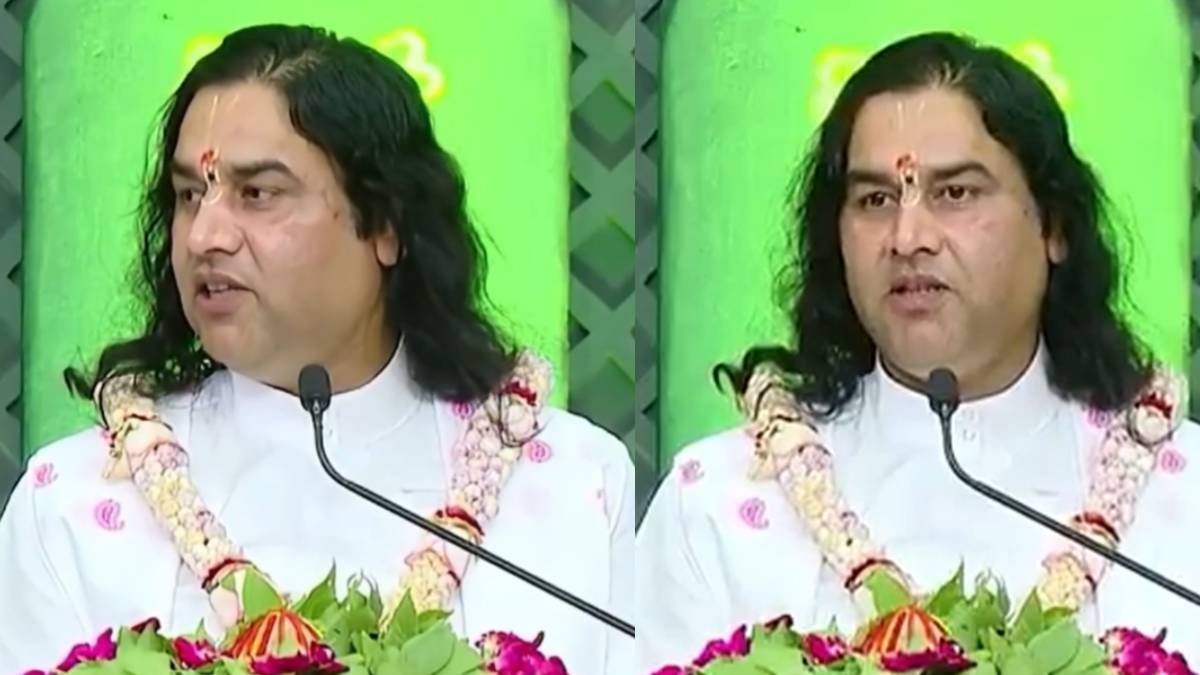
The Priest Demands More Money, Does Not Accept Devotee’s Offering. A shocking event raised questions for faith and justice in worship. One Brahmin priest refused to let some woman devotees pray, saying no money to the devotee’s hand was sufficient. He kept on telling people “God will be happy” if she got enough money. The incident has caused outcry for devotion and a debate over which ways money is related to religious life (if money can come through) in society as well as in finance as well.
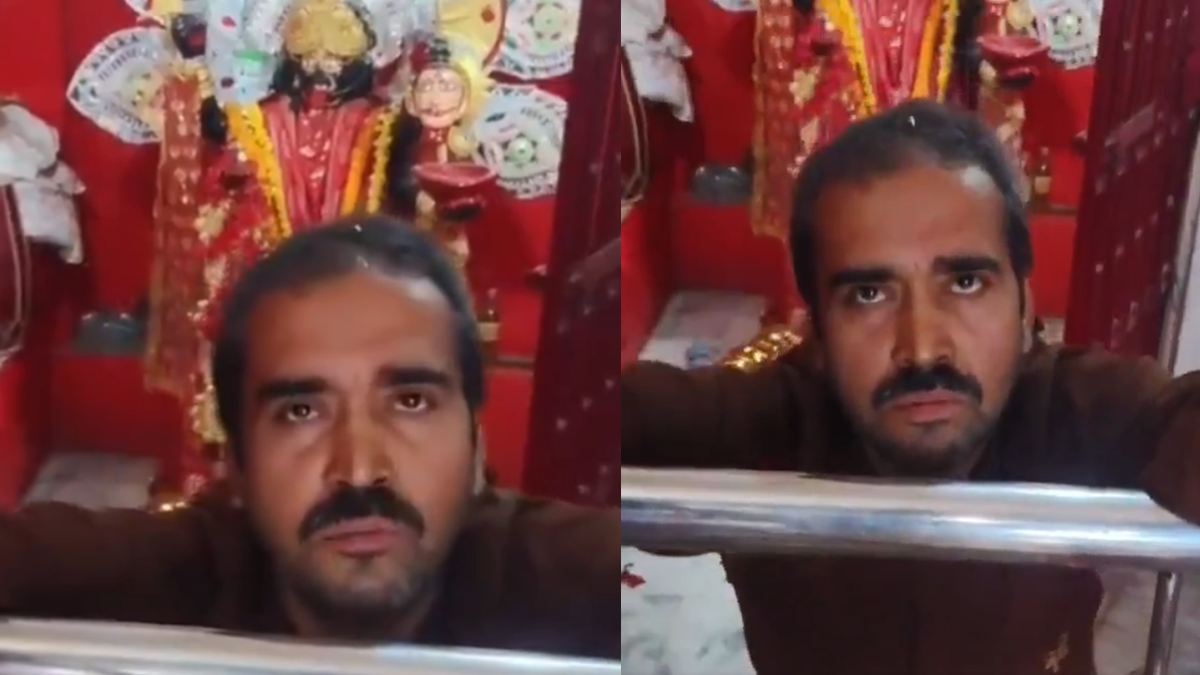
But it was in this way the devotee came forward with her amount ₹11 that is quite common in many temples. But not accepting it, the priest ignored her and told her that it is nothing much. He suggested that in return for more money she should give more money because then she should be able to worship.
Such a refusal shocked both the woman and those around her. The offering was meant for God; they felt that the priest’s request caused devotion to be measured as in rupees and not in faith. The story spread immediately about today’s story on local news and social media where the response was strong from the public.
Most people felt much anger toward the priest. Devotees stated worship should never be bound up with the size of the offering. It’s the sincerity, the right of a religion and the willingness, the sincerity of that person in particular, but not the money that really matters. Some noted that ₹11 is an old form of respect, and refusing that and using ₹11 is disrespectful and goes against the grain.
On Twitter, people criticized the priest’s call to help with sarcastic statements such as “Only ₹11 to GOD?” and “Don’t spend more money, God will enjoy it better.” Memes and posts showed them as hypocritical in linking divine blessing to financial contributions.
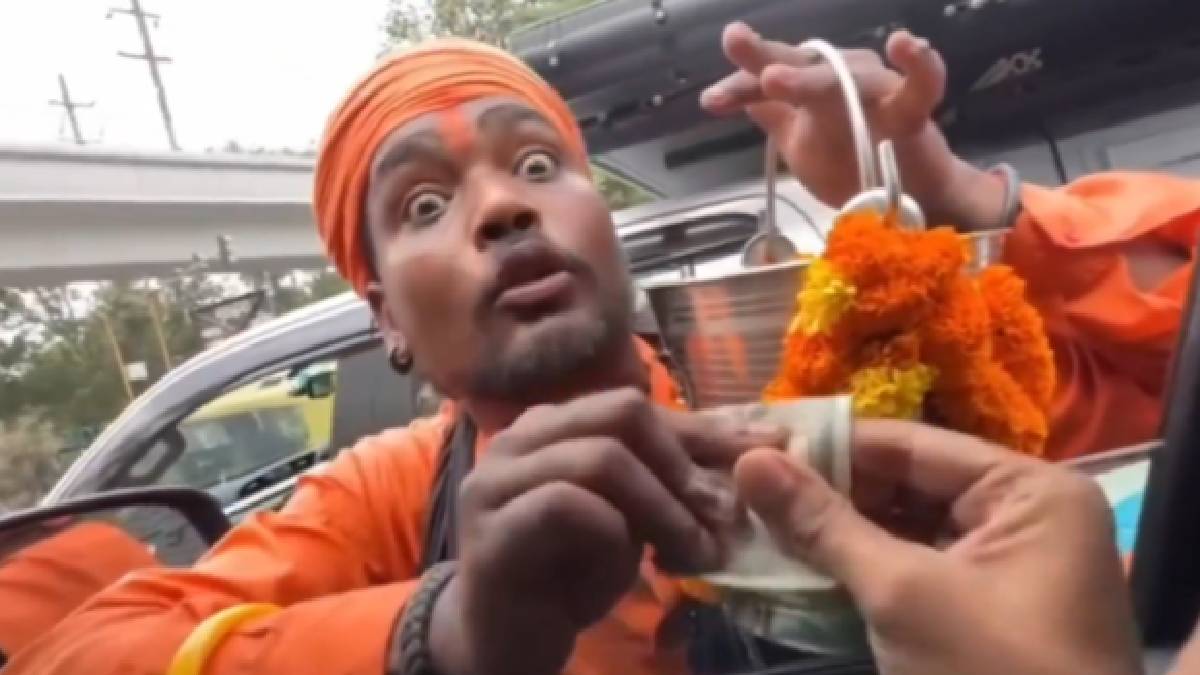
This is not an isolated problem and it is common to see priests and temples across India demanding larger donations from the public. That the temples depend on offerings for the maintenance and ritual has to remain sacrilegious and the devotion should never be commercialized.
Religious leaders and scholars often remind us that God does not measure devotion in money. The essence of worship is sincerity, humility, and faith. If priests need to ask for more money, we threaten to turn temples into marketplaces.
The rejection of a devotee’s ₹11 offering underlines there is a growing tension in religious practice amongst faith and money in this day and age. True devotion can’t be bought and worship should be accessible to anyone, regardless of financial status. These are lessons in humility, equality and sincerity and how temples and priests must adopt.