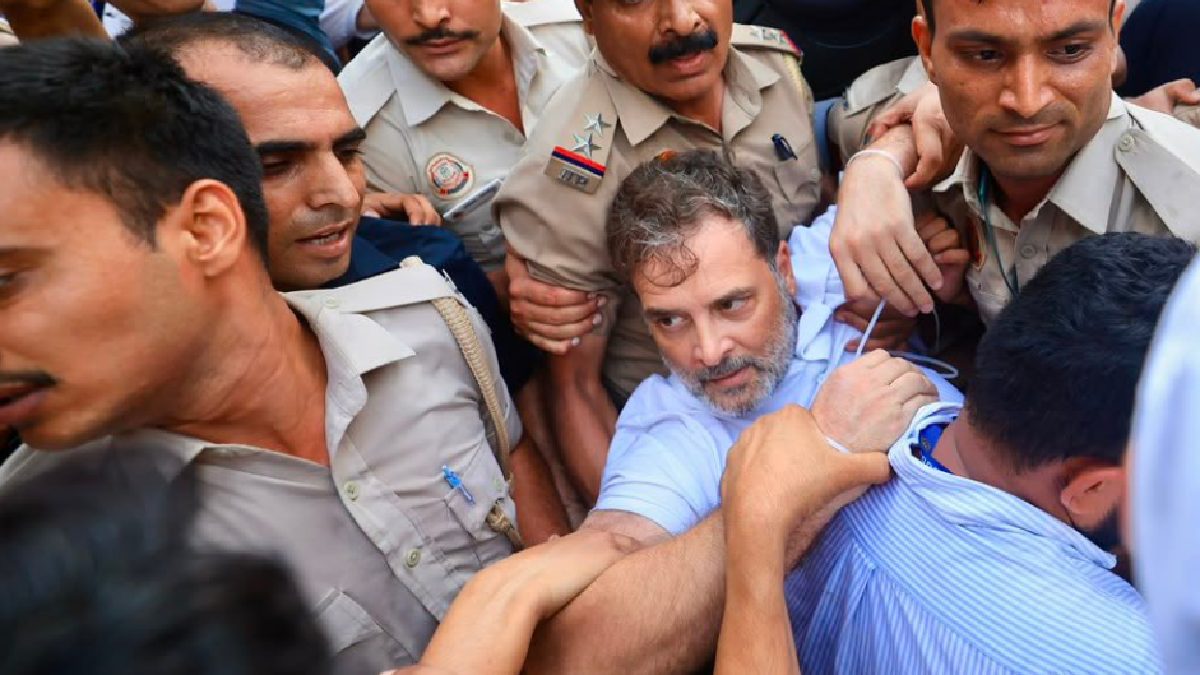
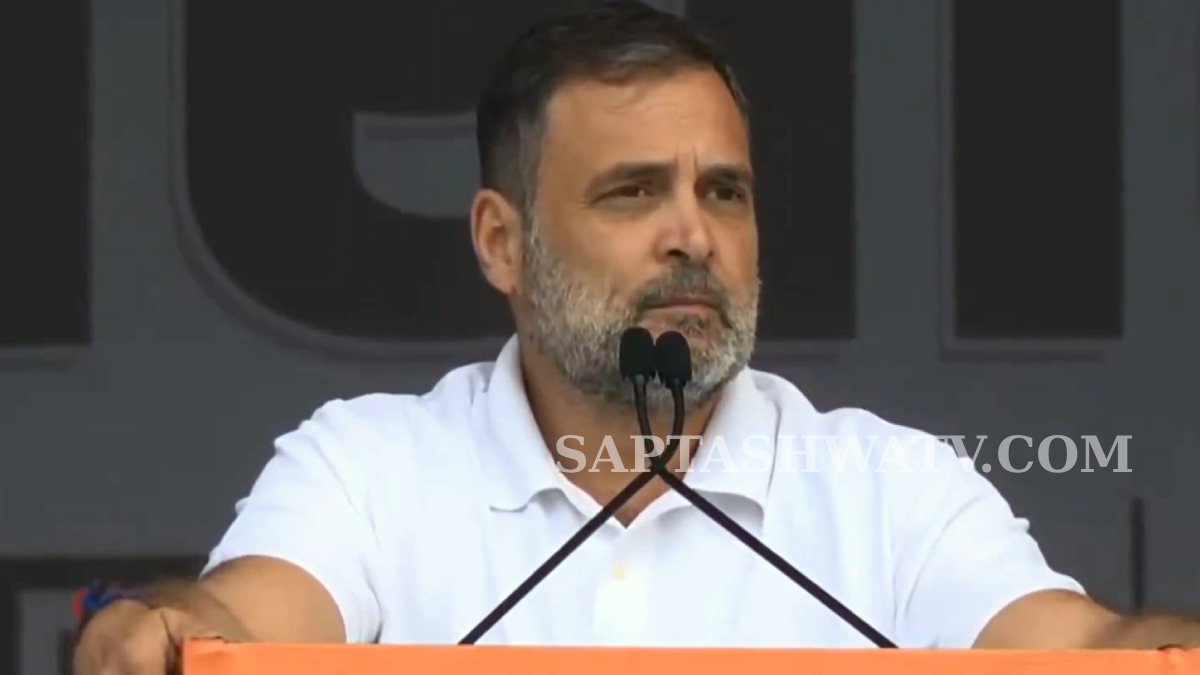
Rahul Gandhi met tribal students in Nashik who have been raising concerns over hostel facilities, safety, reservations, recruitment and other demands, and said marginalised students deserve institutional support.
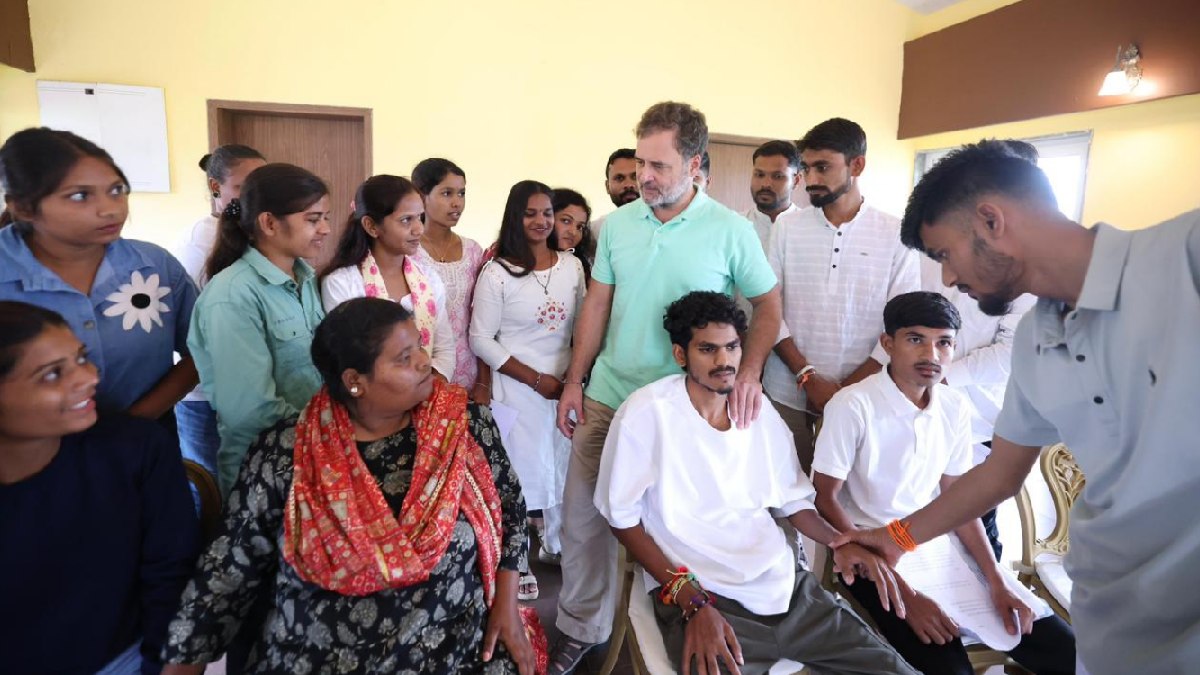
Congress leader and Leader of Opposition in Lok Sabha Rahul Gandhi met tribal students in Nashik, Maharashtra, including students who had been on hunger strike for their demands. Gandhi listened to the students’ concerns and supported their demand for better education facilities and a safer environment for students from marginalised communities.
Rahul Gandhi spoke to X after the meeting and said that every student should have access to a respectful, safe and conducive environment for education. And students from the marginalized sectors of society should not be overlooked by the system and need support and assistance, he added.
Gandhi also stressed the importance of equal access to education, saying that education should not be a privilege for the privileged classes of society. His remarks came as tribal students in Maharashtra were taking up a campaign over education, hostels, employment and implementation of tribal community-oriented programs.
The Congress leader's meeting with the students comes a day after a long-running hunger strike of tribal students in Pune was called off after state governments gave assurances to them. The protest at Manjari tribal hostel had gone on for 17 days before Tribal Development Minister Ashok Uike met the protesters on August 30 and provided written assurances on their demands.
The agitation started on 13th August, when tribal students in Pune, Nagpur and Nashik demonstrated in protest against the government’s new tribal hostel policy. It started with hostel-related issues but spread to other issues of tribal students and communities in Maharashtra.
The protesters were concerned with the availability and quality of hostel facilities, safety of students and tribal reservations. The students also demanded action on vacant tribal posts and recruitment processes for thousands of jobs. The process for recruitment for around 12,500 tribal posts should be done without further delay, they said during the agitation.
Another major issue that the protesters highlighted was the appointment of employees under the Panchayats (Extension to Scheduled Areas) Act, commonly known as PESA. Students and activists called for the reinstatement and permanent appointment of PESA employees who had been sacked and resigned.
The protesters also raised issues of caste validity certificates, which they said, for students who are interested in reservations and other government scheme-related benefits are crucial for getting into government programs. They advocated for steps to make sure that eligible tribal students and candidates are not stuck in administrative disjointed situations.
Student safety was another major concern during the agitation. The protesters wanted compensation for the families of three tribal girls who died after snake-bite incidents at an ashram school in Gadchiroli. They also sought insurance coverage of Rs 10 crore for every student staying in tribal hostels and studying in tribal residential schools.
In this context, Gandhi’s meeting with tribal students in Nashik has given political visibility to their concerns. But his assertion that education is a right and not a privilege puts the demands in the larger debate over equal education opportunities and government responsibility for students belonging to disadvantaged communities.
नासिक, महाराष्ट्र में आज आदिवासी छात्र-छात्राओं के एक प्रतिनिधिमंडल से मुलाकात की, जिसमें अपनी मांगों को लेकर भूख हड़ताल कर रहे छात्र भी शामिल थे।
— Rahul Gandhi (@RahulGandhi) September 2, 2026
उनकी समस्याएं और मांगें ध्यान से सुनीं।
हर छात्र को पढ़ाई के लिए एक सम्मानजनक, सुरक्षित और अनुकूल माहौल मिलना उसका हक़ है। वंचित… pic.twitter.com/YaNx7M3M8f
Gandhi is scheduled to meet senior Maharashtra Congress leaders in Nashik. The discussions are expected to include Maharashtra Pradesh Congress Committee President Harshwardhan Sapkal, Varsha Gaikwad, Prithviraj Chavan, Balasaheb Thorat, Satej Patil and Naseem Khan.
Gandhi will then address a meeting of district-level Maharashtra Congress leaders at the Sangathan Srijan Abhiyan training camp. His Nashik visit therefore combines organisational activities with a direct interaction with students and communities that are concerned about education and social welfare.
For the tribal students protesting, the larger problem is the implementation of assurances and resolution of their demands. So while the end of the Pune hunger strike was a temporary breakthrough, the students’ concerns cover a multitude of areas from hostel infrastructure and safety to recruitment, reservations and administrative rights.
Gandhi’s comments are once again bringing these issues into the spotlight, with the Congress leader stressing that students from marginalized communities should be given the support to pursue their education in dignity and safety.