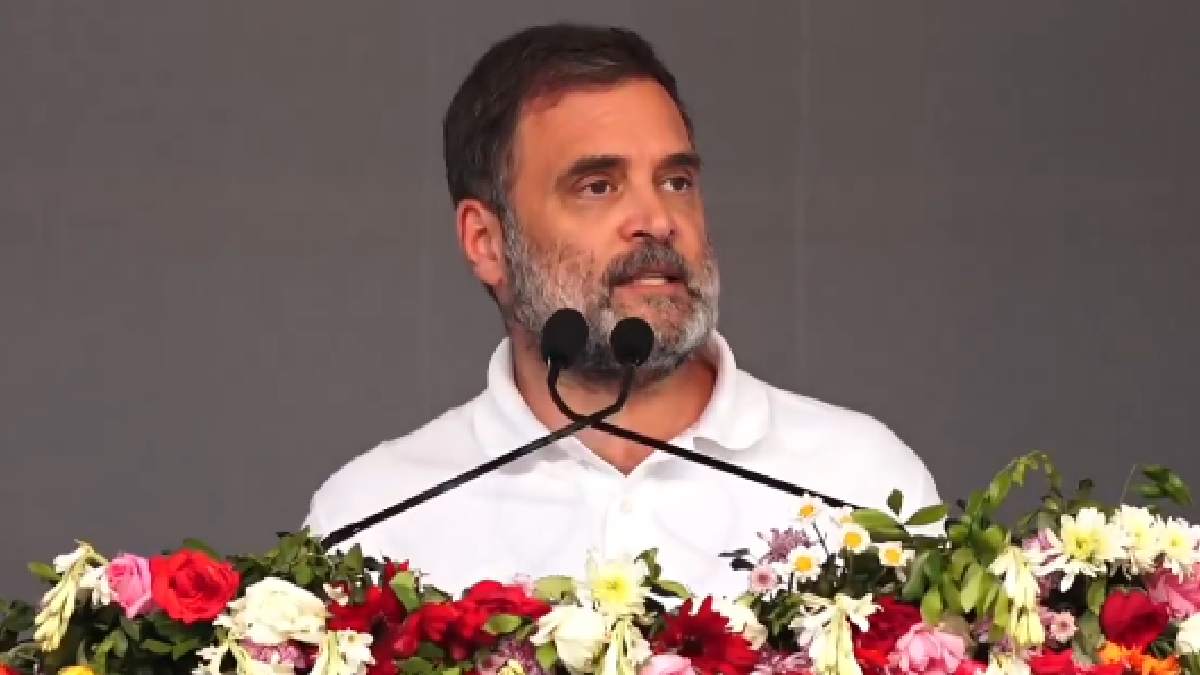
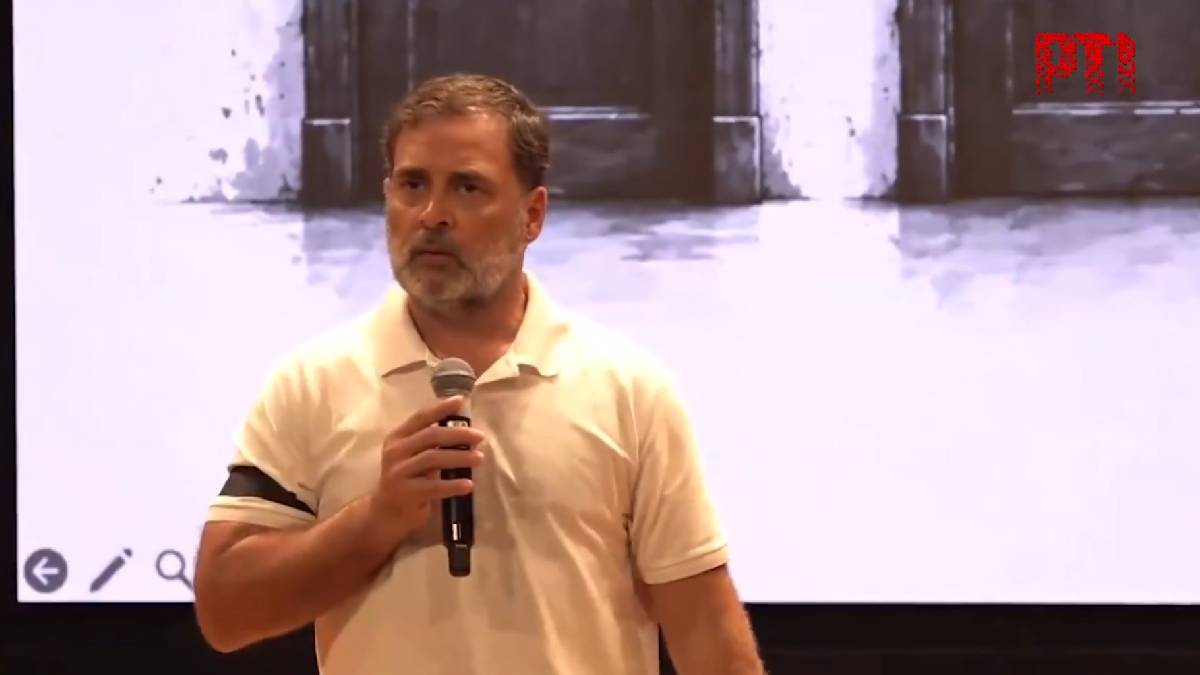
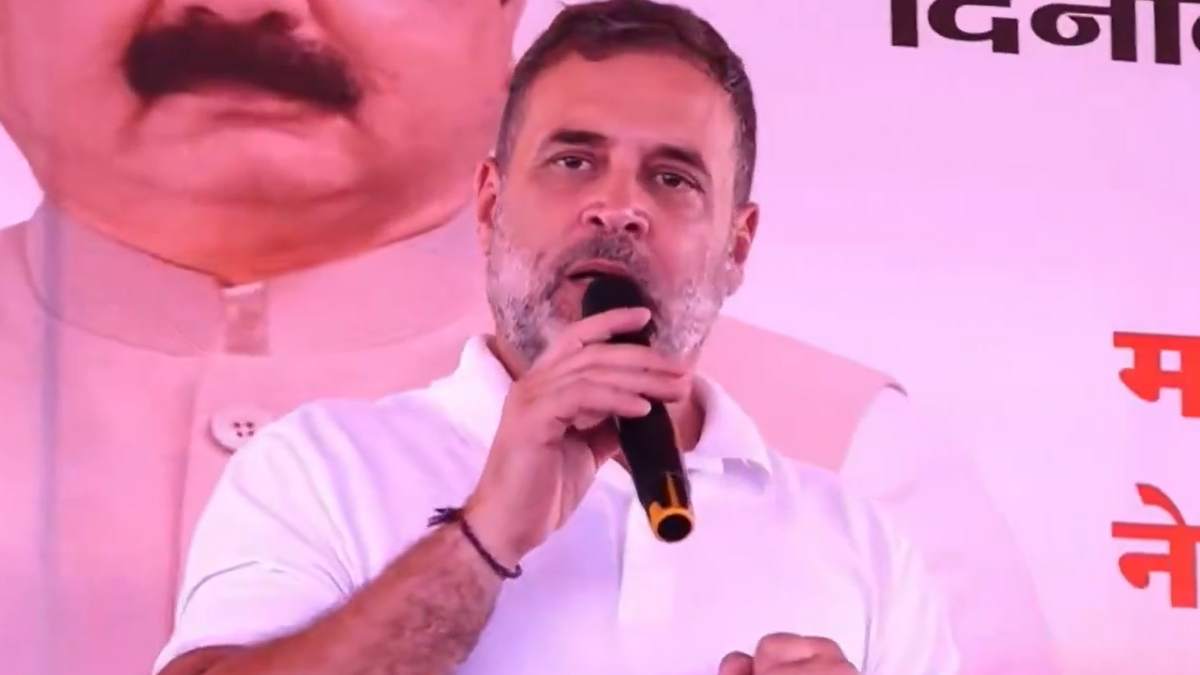
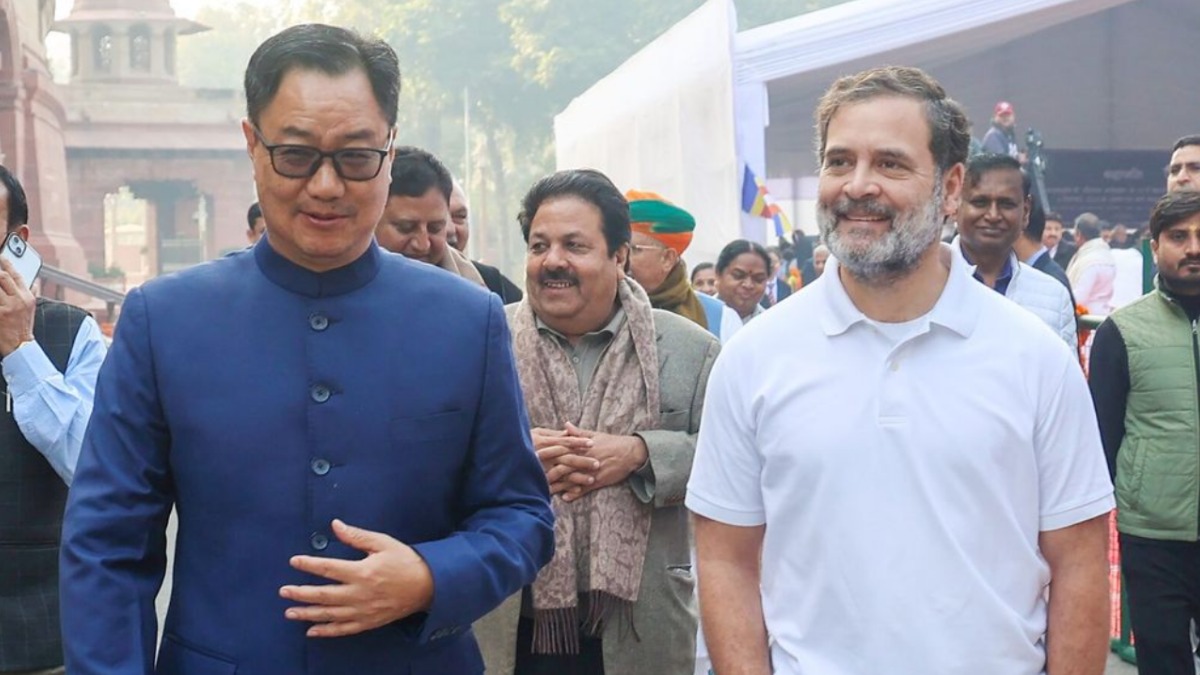
New Delhi: Congress leader Rahul Gandhi on Tuesday strongly criticised the purported lathicharge on students during the CJP protest in the capital of Delhi, describing the incident as "un-Indian" and calling on Prime Minister Modi to apologise. His remarks came amid heightened political tensions following demonstrations and clashes between protesters and security personnel near central Delhi.
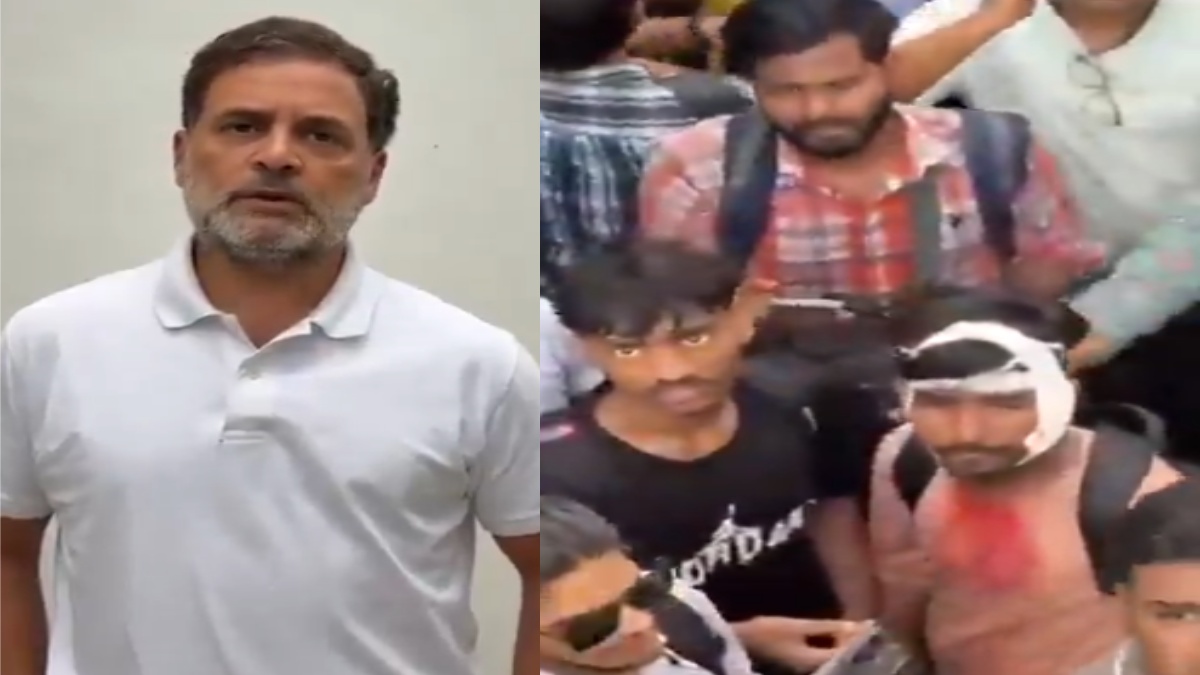
Rahul Gandhi, in a public statement, said the use of force against students involved in the protest was not acceptable in a democratic society. Students have the constitutional right to express their sentiments peacefully and such a disproportionate action against them would subvert democratic values, he stated.
Rahul Gandhi described the incident as “un-Indian” and said that democratic traditions in India are built on dialogue, dissent, and peaceful expression rather than suppression. He called on the Prime Minister to respond publicly to the incident and apologise if any students were subjected to unnecessary force.
The protest was organized by the CJP, witnessed a large number of demonstrators in Delhi, and the government made security arrangements at key places like Jantar Mantar and around Parliament. Barricades were put up, Rapid Action Force (RAF) personnel were sent, and traffic diversions were introduced to maintain law and order.
Protesters said as they were trying to move to the restricted areas, confrontations between sections of the crowd and security personnel broke out. Police used crowd-control measures after some protesters were reported to have attempted to breach barricades, and there were tense scenes at a number of locations. The exact sequence of events has been disputed by protesters and police.
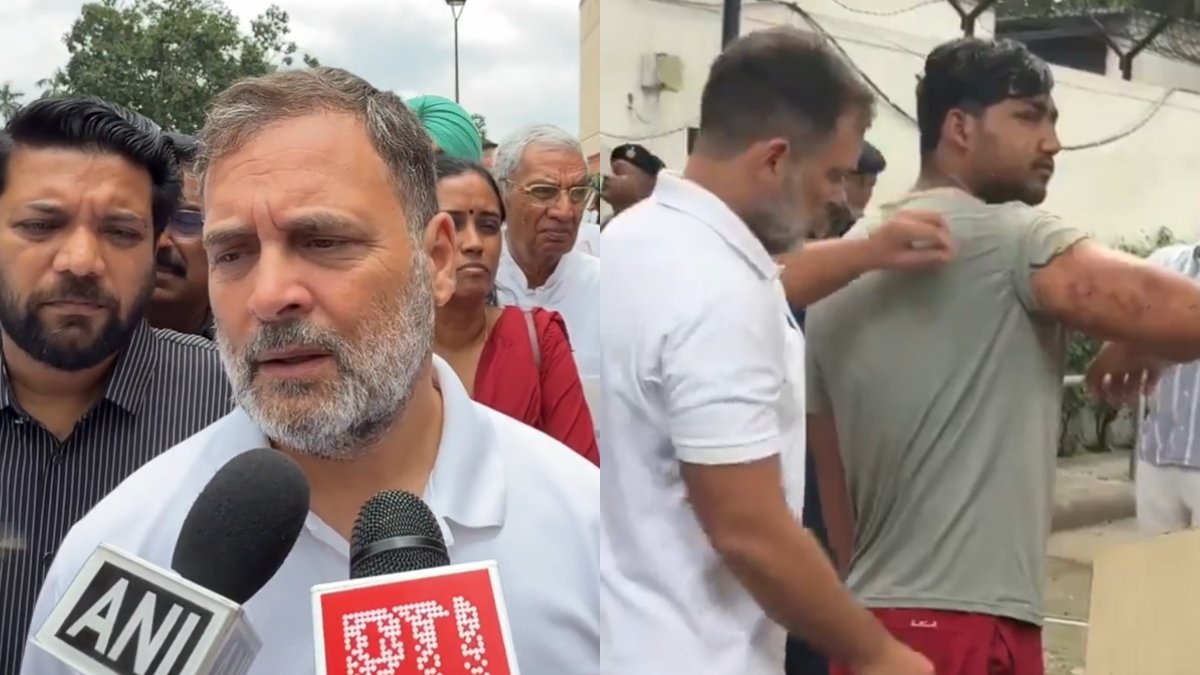
The opposition leaders expressed dismay at the way the demonstration was conducted, and government representatives defended the security arrangements as necessary to maintain law and order in high-security areas of the national capital.
Rahul Gandhi emphasized that educational institutions should encourage independent thinking and democratic participation. Students who raise concerns on public issues should not be treated as adversaries, and governments should engage with young citizens through dialogue rather than confrontation.
The Congress leader also added that India’s democratic system guarantees freedom of peaceful assembly with some reasonable legal restrictions. Protecting these democratic freedoms is a necessity for maintaining public confidence in democratic institutions, he said.
Delhi Police have maintained that security measures were made based on intelligence inputs and the need to prevent any disruption near sensitive government facilities. They said crowd-control measures were taken in line with standard practice when there is a threat of public disorder or if a breach of security restrictions.
They encouraged the public to follow the lawful instructions given by the authorities during protests to help secure public order in line with law enforcement and security forces that are working in the country. Police have yet to publicly comment on the political allegations of opposition leaders but they are monitoring the situation after the protest and remain aware of the situation.
The incident has thrown into sharp relief political differences between the ruling National Democratic Alliance (NDA) and opposition parties. Congress leaders have called for accountability and for an unbiased investigation of the events, and several other opposition leaders have rallied behind the protesting students.
Political observers note that student movements have been a vital part of India’s democratic discourse for years, particularly in the study of education, employment, governance, and public policy. As such, every confrontation involving students is a major political event and is subject to a lot of public debate.
Consistently, civil rights experts point out that citizens have the right to peaceful protest, but in high-security areas such as the Parliament area, authorities have the duty to maintain order and security. The balance between these duties is often difficult in large public demonstrations.
Rahul Gandhi slammed the regime as the most anti-student government ever. Lathi-charging youth demanding fair education is shameful. The administration must accept legitimate student demands and respect their voice. pic.twitter.com/Pqb63BN9GI
— VIZHPUNEET (@vizhpuneet) July 20, 2026
The controversy is likely to continue to be a topic of political discussion, and the government and opposition will keep talking about it. Any official investigation or further statements made by the authorities might provide a better picture of the protest in general.
The debate is ongoing and once more brings back into the public domain issues of organizing public demonstrations, safeguarding democratic rights, and where the police and protesters can come together for peaceful demonstrations.