New Delhi: The Congress and INDIA bloc’s protests against the Special Intensive Revision (SIR) of electoral rolls have taken an unpredictable turn in Delhi, with Rahul Gandhi and Priyanka Gandhi Vadra repeatedly changing the course of their demonstrations as they were caught in police lines.
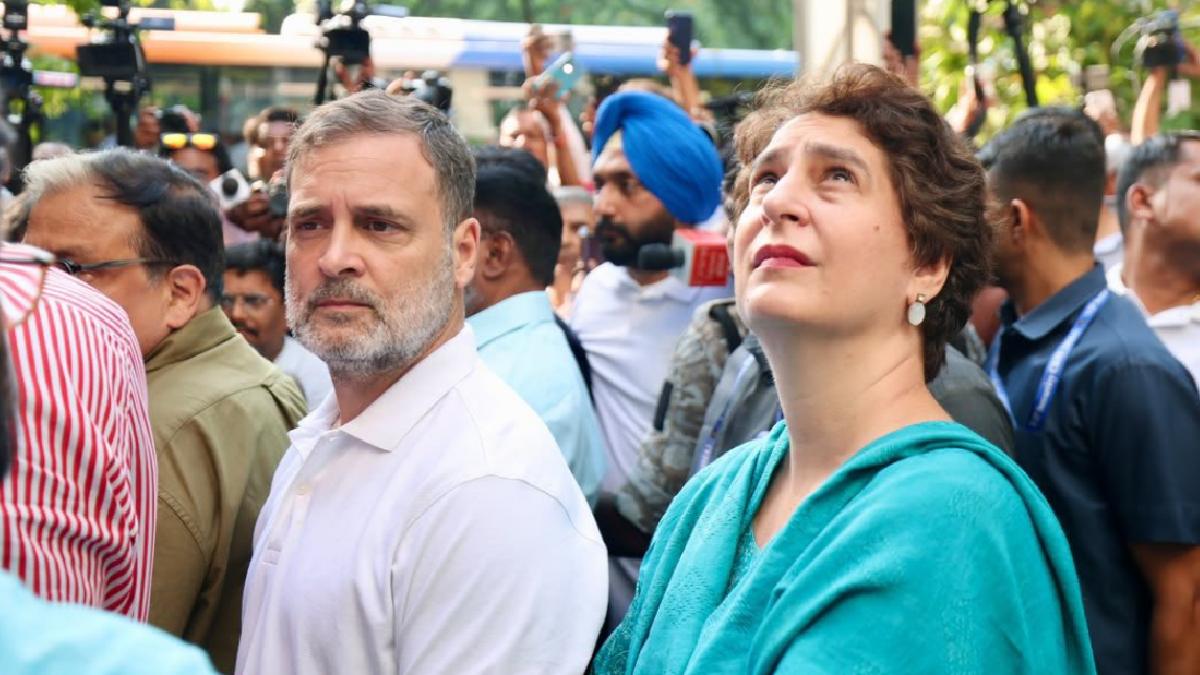
The Congress has taken a laugh at one of them and referred to it as “dhappa”, and the unexpected change of protest location has become part of its political messaging.
The latest protests have focused on demands for the resignation of Chief Election Commissioner Gyanesh Kumar and opposition claims for electoral roll revision. The Election Commission and BJP have denied the opposition charges, and the opposition is pressing its claims for voter lists and for the functioning of the poll panel.
Day 1: The March That Ended At Akashvani Bhawan.
The first major twist came when INDIA bloc MPs attempted to march from Parliament towards the Election Commission headquarters. Delhi Police had planned for the march with barricades, security deployments and restrictions around central Delhi. The protesters were stopped before reaching the poll panel office.
Rahul Gandhi and Priyanka Gandhi Vadra then changed the course of the demonstration. Instead of staying at the blocked point or being taken away with other detained leaders, the two entered the nearby Akashvani Bhawan premises and began a sit-in.
The unexpected move created a new protest site and drew other Congress leaders. The demonstration continued for more than eight hours before police intervened and removed the protesters. The Congress used the term “dhappa” and shared the detour video, citing the move as an example of protesters changing their approach when the authorities expect their route.
The episode also resulted in an FIR against Rahul Gandhi, Priyanka Gandhi and others for unauthorised entry into the premises. Gandhi later responded defiantly, saying he had 45 FIRs against him and his target was 100, describing every FIR as a “medal”.
Day 2: Lunch turns into Another Protest.
The following day, there was another unexpected development. Congress president Mallikarjun Kharge hosted a lunch meeting of INDIA bloc members at a restaurant in Janpath. The gathering later became the starting point for another mobilisation towards Jantar Mantar.
Opposition leaders were planning to hold a sit-in at the designated protest site and continue demanding action over their concerns about the Election Commission and SIR. Rahul Gandhi said the opposition will go to Jantar Mantar after being stopped from protesting at the earlier location.
But the buses carrying the protesters were stopped before the intended destination. Delhi Police detained Rahul Gandhi, Priyanka Gandhi and several other opposition leaders as the confrontation continued. Congress leaders climbed onto buses while supporters and MPs raised slogans.
The second episode, therefore, was a different version of the same broad pattern. Instead of changing the route after a march was blocked, the political mobilisation itself emerged from a meeting that had initially been presented as an INDIA bloc lunch.
What is the Dhappa strategy?
The word “dhappa” has become a shorthand for the Congress’ characterization of these surprise actions. The underlying tactic is not complicated: if a planned protest route is blocked, protesters look for another way to keep the demonstration visible.
The first day the shift was to Akashvani Bhawan. The second day, the focus shifted from an indoor political meeting to an attempted street mobilisation towards Jantar Mantar.
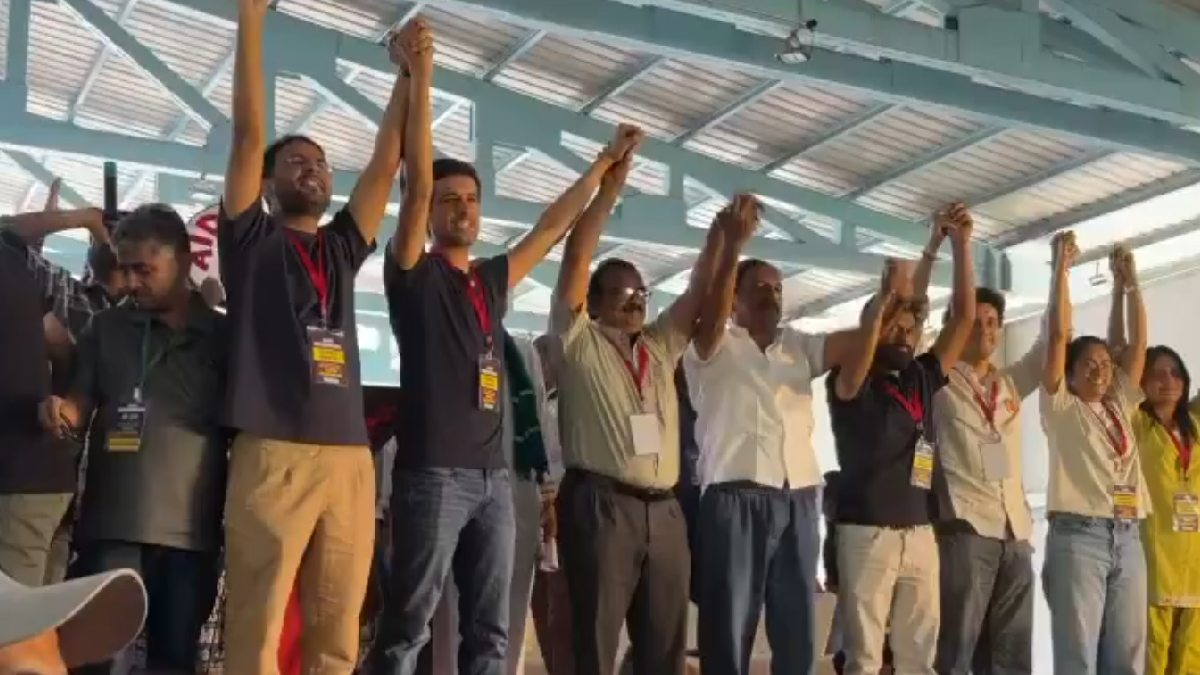
The approach has also produced very visible images— Rahul Gandhi climbing a barricade holding the national flag, the Gandhi siblings sitting during the Akashvani Bhawan protest and opposition leaders being detained near buses. Such images can amplify the political message beyond the physical protest site.
Dhappa 🔥 https://t.co/IMP0mIK2NV
— Congress (@INCIndia) October 6, 2026
But the strategy has been far from without its complications. Some INDIA bloc allies were unhappy with the abrupt turn of events in the Akashvani Bhawan protest and felt that the move had not been adequately coordinated with the wider alliance.
SIR Remains At The Centre Of The Confrontation
The protests are part of the opposition’s wider campaign against the SIR exercise and the Election Commission’s handling of electoral rolls. Opposition parties have claimed that the revision could affect eligible voters and have sought more accountability from the poll panel.
The Election Commission has denied that it is biased and defended its constitutional and institutional role. The BJP has also denied the opposition’s allegations and attacked the protests against the poll body.
And this is not just a case of Parliament and traditional protest venues. Public protests and political campaigns are on the rise and public spaces and social media have become more and more prevalent as political protests start to have a social media aspect.
What's the next thing?
But the ongoing confrontations indicate the SIR dispute is not likely to go away soon. Rahul Gandhi has said the opposition is going to keep going and that it is an issue in relation to electoral rights and constitutional institutions.
For Delhi Police, the challenge is to police demonstrations and keep the plans updated and large crowds in central Delhi alive. For Congress and its allies the task is to maintain political momentum while keeping the INDIA bloc coordinated.
Whether “dhappa” will serve as a lasting label for the Congress’ protest strategy remains to be seen. But the events of the past two days have shown how quickly a planned political programme can change when protesters encounter police restrictions.
And with the SIR controversy still unresolved, more demonstrations are likely to take place, new protest sites and more political messages from both sides.