Ticketing on Mumbai's suburban railway network is set to undergo a technology-driven upgrade as ticket checking staff are to be equipped with body cameras and dedicated pockets for electronic devices for the first time. And the idea is to make ticket inspection more efficient while also increasing visibility and making railway personnel have the equipment they are supposed to do better on duty.
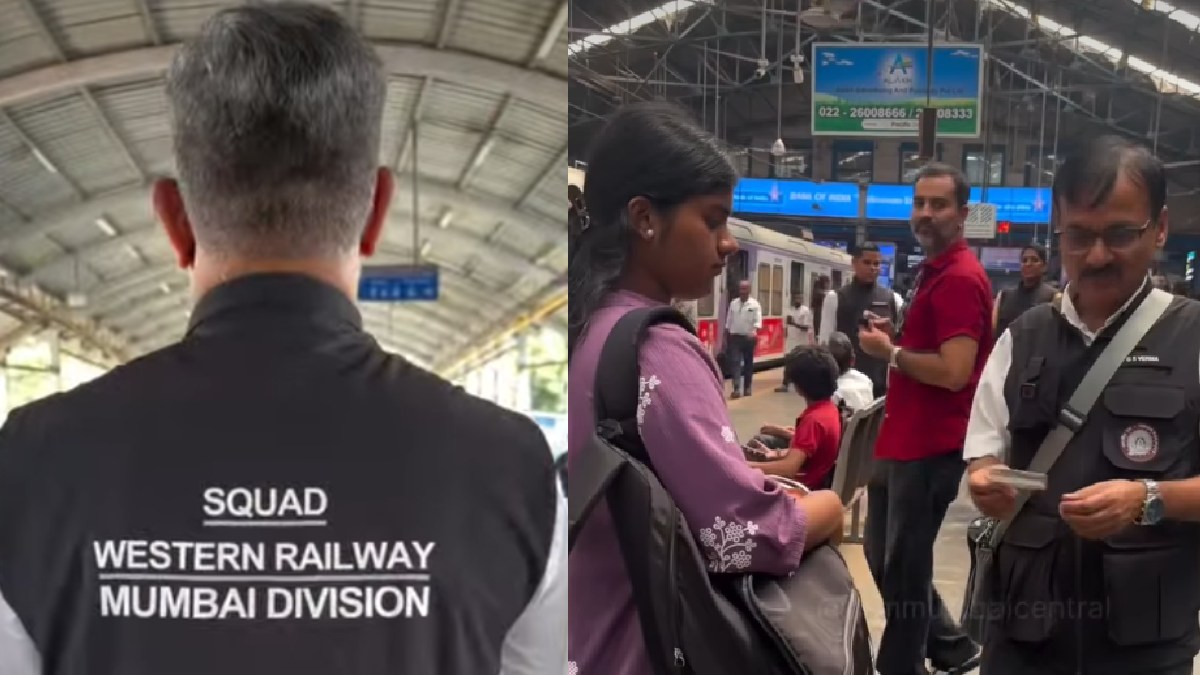
The new jackets are to be introduced as part of efforts to modernise the working environment for Travelling Ticket Examiners (TTEs) and other ticket-checking personnel. Mumbai's busy suburban railway system houses many passengers every day and so efficient ticket inspection is a key part of the railway operations.
Body cameras are among the most interesting features of the new jackets. Cameras worn by ticket-checking personnel can help to record the interactions during ticket inspections. So if passenger or train staff disputes are happening between passengers and train staff they may have a record of it (and they can be useful in reviewing complaints or incidents).
Body cameras to support ticket checking
Body-worn cameras are increasingly being used by enforcement and public-facing personnel because they can document interactions in real time. For railway ticket-checking staff, the technology could provide an additional layer of accountability during inspections.
Ticket checking often involves direct contact between railway staff and passengers. In crowded Mumbai trains, this interaction often becomes difficult at times, especially when passengers do not produce valid tickets or ask about penalties imposed during inspections. A camera recording can provide an objective account of an interaction when an incident is reported.
The presence of cameras may also facilitate more orderly interactions between passengers and railway personnel. But how effective the system will be, whether it is set up, whether recordings are turned on, how long footage is retained and how privacy concerns are handled.
Special Pockets for Electronic Devices.
The jackets also have pockets for electronic devices used by ticket-checking personnel. With railway operations moving toward digitalization, staff members would need to carry handheld devices for checking tickets, recording information and processing passenger-related information.
The same type of equipment can easily be stored and transported in such a way that ticket inspections can be made easier. Staff can use the specially made jacket to put valuable items on board and carry them with them when they are moving through crowded coaches and railway platforms and not carry them in their own arms like they are used to carry together.
The design is based on changing railway ticket checking processes, where digital systems are gradually taking over the traditional paper-based processes. Portable electronic devices can be used by the staff to access information and complete some tasks while still mobile.
Why The Upgrade Matters In Mumbai.
Mumbai's suburban railway network is one of the busiest commuter networks in India. Trains regularly run over busy, crowded routes connecting residential areas to major commercial and employment centres. The scale of daily passenger movement puts ticket-checking staff in difficult and fast-paced environments with a lot of people in them.
A purpose-built jacket would give practical benefits beyond its technological features. The pockets can allow staff to safely carry equipment and the body camera can record interactions. Combined, they are meant to make ticket-checking tasks more systematic.
The initiative also reflects a more general trend of technology being brought into railway operations. From digital ticketing and handheld inspection devices to surveillance systems and automated passenger information, technology is increasingly becoming part of the passenger experience.
Possible Impact On Passengers
The introduction of body cameras could change the way passengers interact with ticket-checking staff. Knowing that an interaction may be recorded could make it easier for passengers and railway workers to engage in professional conduct during inspections.
At the same time, body cameras raise questions about passenger privacy and the storage of recorded footage. Clear rules governing when cameras are turned on, who can access recordings and how the information is stored would be key for the system to function properly.
Passengers could also benefit indirectly if electronic devices allow ticket-checking staff to perform inspections faster. That could mean shorter delays during checks on trains and platforms and less time for staff to work with each other in a crowded train station.
So the new jackets are not just dress uniforms. They are a vehicle for integrating wearable technology with practical storage of equipment for railway staff to deal with their daily work.
As Mumbai’s railway network continues to adopt digital tools, these projects could be part of a wider modernisation of passenger services. That high-tech jackets will be successful only if railway authorities do integrate the equipment into regular work while keeping it transparent, private and ethical in the use of technology.