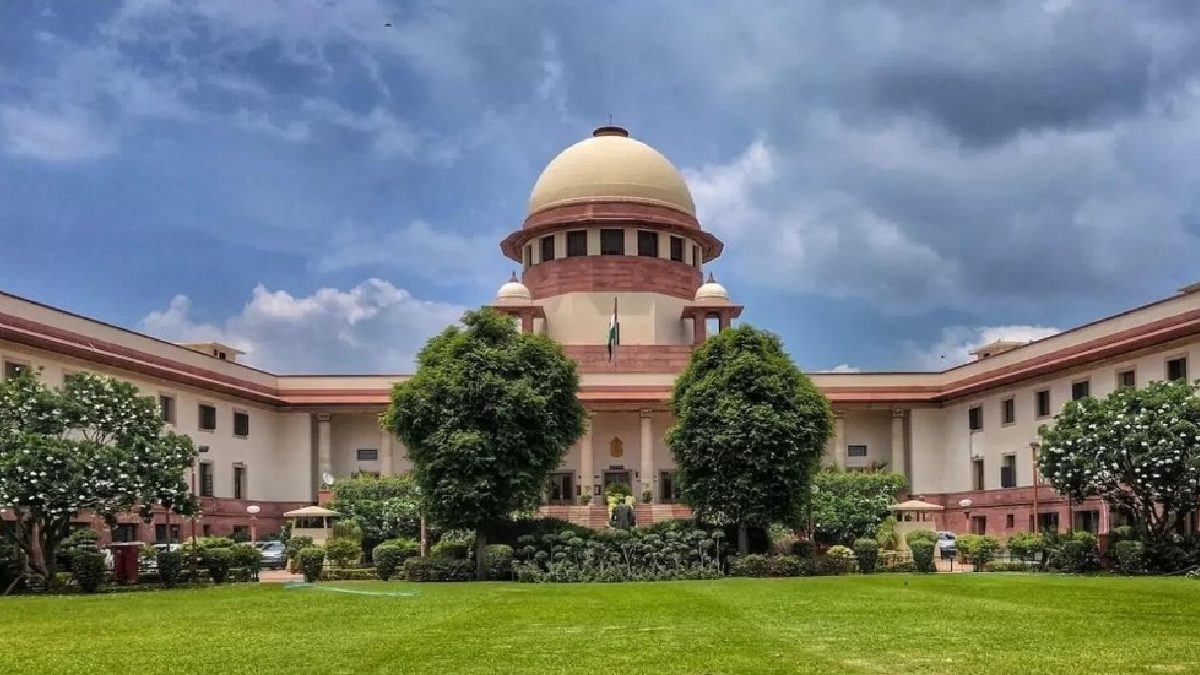
The simple fact is that the Supreme Court plans to hold virtual hearings twice a week, to preserve national energy infrastructure and to bolster sustainable governance.
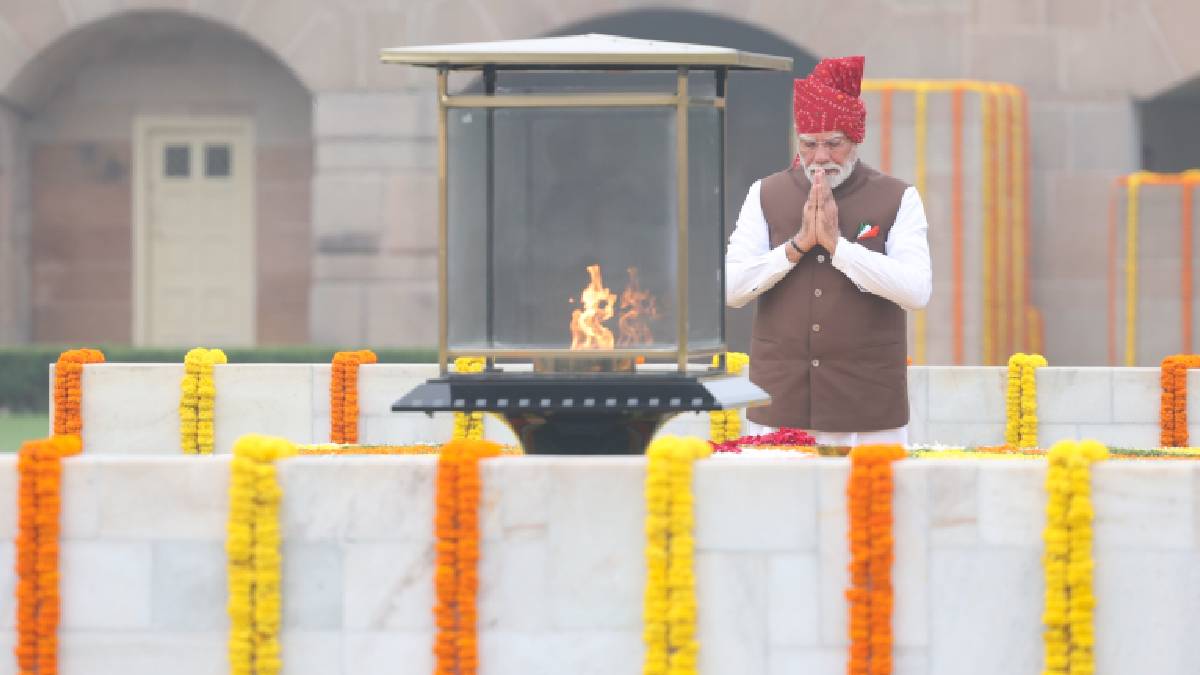
The statement follows Mr Modi’s call to save fuel as global energy fears rise, and uncertainty about global supplies looms. The steps are said to help cut down on unnecessary travelling of lawyers, litigants, court personnel and enhance digital efficiency in court proceedings.
It should save fuel by a lot because some of the many supporters and parties head to the Supreme Court from various areas nationwide each day. “There is a fixed scheduling of hearings, and the court administration has also agreed to hold hearings only on certain working days of the week.”
All serious and pressing cases will be heard in person, and most routine hearings could happen electronically, under the hybrid system. The decision comes after growing fears of increases in fuel prices and of energy savings after high geopolitical tensions and disruptions to global oil markets.
Prime Minister Modi called on government ministries, organisations and the general public to take tangible steps to save on fuel usage while incorporating energy efficiency as an essential part of their lives. Experts in law say the Supreme Court’s ruling could become an example for other courts and public institutions throughout India.
Virtual hearings, which have become an integral part of the judicial system, allow court operations to continue regardless of remaining restrictions. Supporters and litigants would later point out that online hearings also lowered travel costs as well as time spent, and increased accessibility.
Advocates and clients arriving from far-flung states to Delhi to sit down face–to-face in court to confront judges about the new decision will be particularly helped if the new order is ratified. Reduced physical presence alone can drive traffic and activity through court complexes, reducing total carbon emissions.
Others, however, are loath to part with the live physical hearing for intricate constitutional matters and lengthy conversations; Senior advocates have long argued that attending a court hearing in person makes communication way easier and improves the flow of a court.
The Supreme Court will be expected to adopt a hybrid mix, though at least some will also rely on online. Judicial officials said improvements in technology infrastructure and connectedness at virtual hearings have allowed proceedings to have smoothed out the last few years, to a degree of reliability that has yet to be seen.
Court administration will likely establish scheduling guidelines and the types of cases that will function better on virtual hearings. The move is part of an increasingly ready judiciary to balance technology with administrative efficiency, and to contribute to national movements toward sustainability, protecting and promoting the country’s fossil fuel resources.
And some analysts contend that the move would be an encouragement for High Courts and other lower courts in India to do this in the future, especially on the process/everyday hearings, which don’t need to take place in person.
Soon, however, fuel savings may become the focus of national attention, as the region must endure economic and global energy burdens, but it is also the case for action and a push by the Supreme Court towards the digital transition of individuals holding power over their own futures.