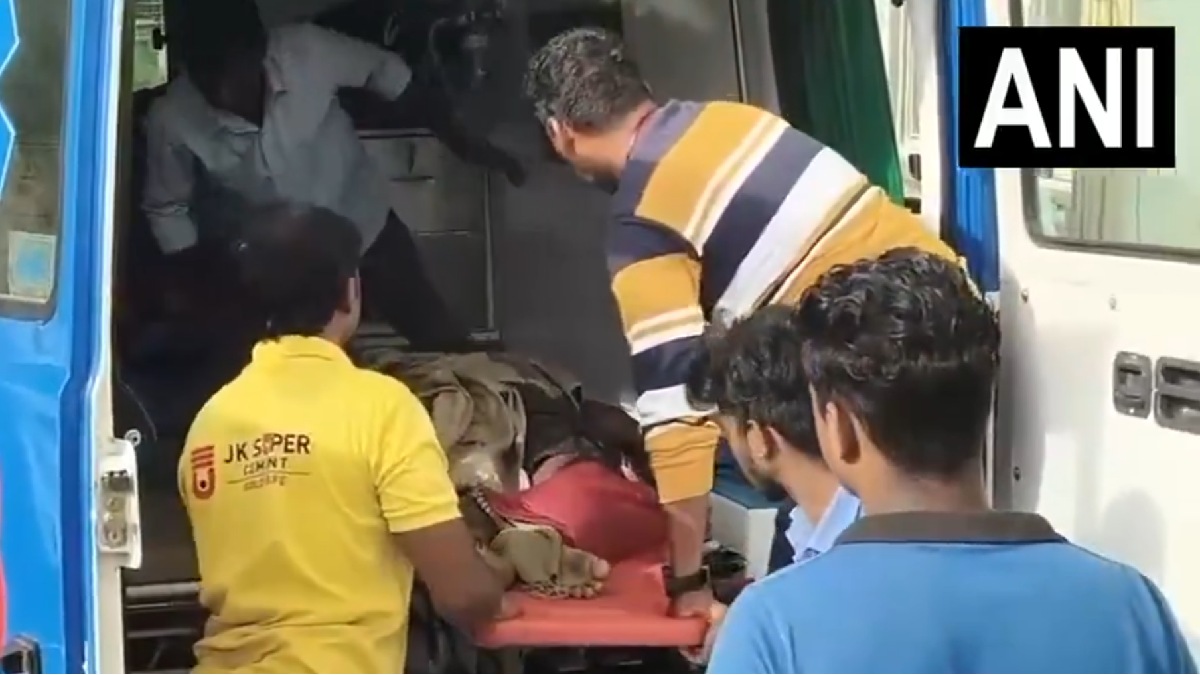
A tragic leopard attack in Rajasthan’s Sawai Madhopur district has left a family devastated after a three-year-old boy who was playing outside his home in Dumoda village was killed by the leopard. The incident occurred in Dumoda village of Sawai Madhopur, which is situated in the vicinity of forest and wildlife reserves.
Sawai Madhopur is also linked to Ranthambore, one of the most popular wildlife destinations in Rajasthan. Large carnivores in and around forested areas make the daily encounter between wild animals and people a continuing challenge for villages located in and around wildlife corridors and forest boundaries.
The three-year-old boy was outside his house when the leopard attacked him. The animal then carried the child away from the neighborhood. It shocked residents, and they started raising an alarm. In rural areas, wild animals are said to have become close to houses and where children and other people spend their time.
The death of the child has caused grief to the family and the community. It also shows how vulnerable young children are to wildlife in villages near wildlife areas. Unlike adults, the danger to children from a wild animal is not apparent to them, as they have no knowledge of how fast a predator can come up to them. So, wildlife around residential areas poses a serious danger, particularly when there are people who are out for a walk and doing their business.
After such an incident, forest officials generally check the surrounding area to determine if a wild animal is around and how to take preventive measures. Tracks and other signs of animal activity are observed by officials in the area, as well as citizens’ information on recent wildlife sightings. Forest workers can also increase patrolling and send warnings.
Sawai Madhopur is very special to wildlife. The district is visited by tourists from all parts of India and abroad because of its forests and wildlife landscape, but the proximity of human settlements to nature is a challenge. With more humans in the forest and more people’s activities, animals may stray outside of their natural habitats to get food, water, or safe passage.
Human-wildlife conflict is a complex issue that cannot be resolved in one way. Protecting communities requires cooperation between forest officials, local authorities, and residents. Monitoring animal movement, strengthening awareness programmes, improving lighting and fencing in vulnerable locations, and quick communication about wildlife sightings can reduce risks. Conservation measures are also critical for wildlife and maintaining healthy forest ecosystems.
For Dumoda residents and other villages in the area, the reported leopard attack would cause greater worry for their safety. Local communities may require increased forest department surveillance and steps to stop wild animals from entering residential areas. Authorities might also have to consider whether there have been prior leopard sightings and if the recent incident indicates a wider movement pattern.
The incident is a painful reminder of the dangers that can occur when human settlements and wildlife habitats overlap. Leopards are generally wary, and attacks on humans are virtually non-existent, but in some cases, they can be very dangerous. Forest experts and officials generally say that when a leopard or other large predator is seen in a populated area, it is wise to avoid direct contact with it and report it to the authorities.
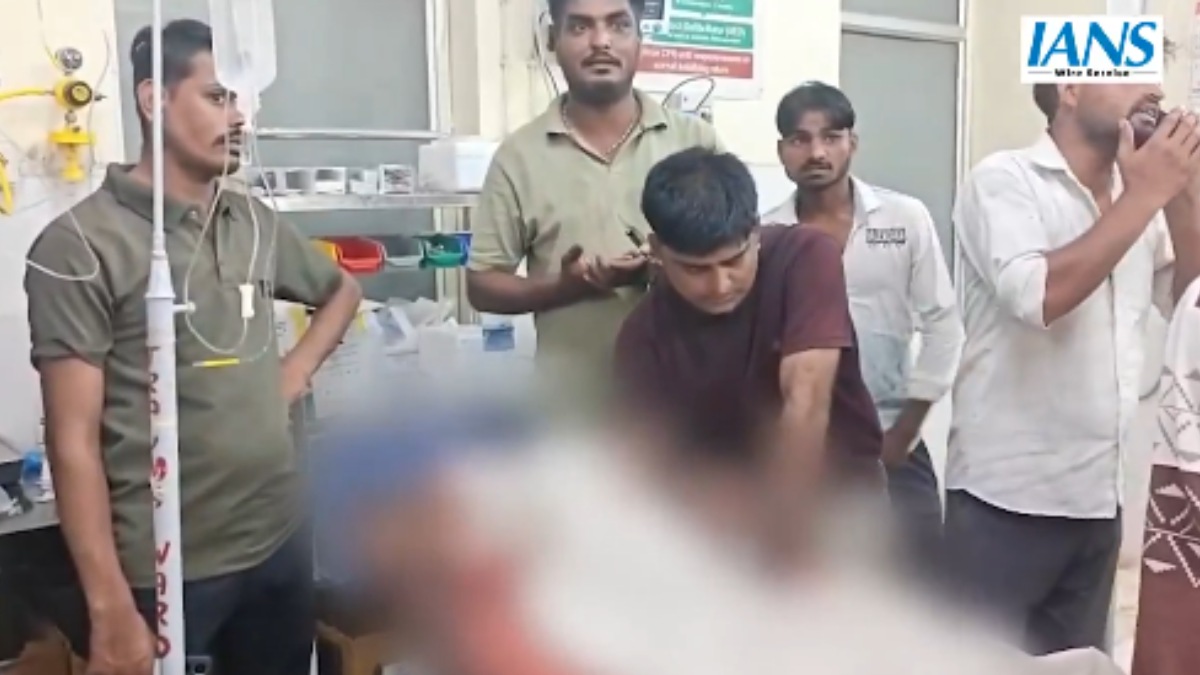
Sawai Madhopur, Rajasthan: A three-year-old boy was killed after a leopard allegedly attacked and carried him away while he was playing outside his house in Dumoda village. pic.twitter.com/VgTQx1EyP4
— IANS (@ians_india) August 21, 2026
The death of the three-year-old boy has turned what was an ordinary family day out into a tragedy for the family. Authorities will be monitoring wildlife movement, and residents will keep an eye on the area. If there are any official findings regarding the leopard, the reason for the attack, and steps taken to protect villagers will be of great importance to the community.
In addition, the Sawai Madhopur incident again shows the need for more robust management of human-wildlife relations in the vicinity of forests and wildlife reserves. To assure the safety of local residents and Rajasthan’s wildlife, continued monitoring and effective coordination between authorities and people living close to natural habitats are necessary.