Ghaziabad has reported three cases of scrub typhus this year, prompting health officials to increase disease surveillance across the district.
The cases have been reported after a gap of two years. Ghaziabad did not report any scrub typhus cases in 2024 and 2025. The latest cases were detected in Patla in Muradnagar, Anil Vihar in Khoda, and Khoda Colony.
Health officials now also have increased surveillance in urban and rural health centres. ASHA and ANM workers are also involved in monitoring for suspected cases and spreading awareness about the disease.
What exactly is scrub typhus, how does it spread, and what symptoms should people look out for?
What is Scrub Typhus and how does it spread?
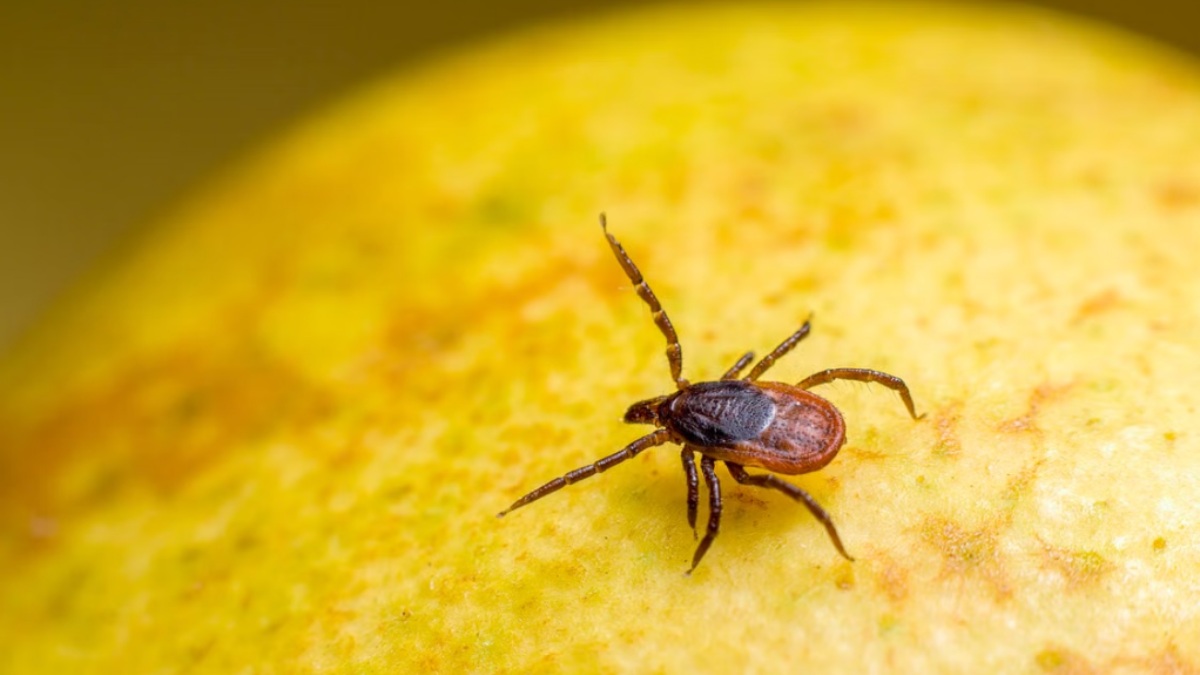
Scrub typhus is an infectious disease caused by the bacterium Orientia tsutsugamushi. It is mainly spread by the bite of infected larval mites, commonly known as chiggers. The disease is also known as tsutsugamushi disease.

These mites are found mostly in areas with vegetation, bushes, and soil. Small animals and rodents may help in maintaining the infection in the environment.
A person can be infected if an infected mite bites them. Sometimes the bite itself is not visible, so people may not be able to identify how they were exposed.
Scrub typhus can affect people of different ages. It is found in various parts of India and is considered an important infectious disease that needs early detection and treatment.
The infection can be mistaken for other illnesses that cause fever. This is one reason why awareness and timely medical attention are crucial.
The most common symptoms are a persistent fever, headache, and body aches. Some may also have a rash. A dark area or scab-like mark known as an eschar may occur at the site of the mite bite, though it is not always visible for all patients.
Other symptoms can include tiredness, muscle pain, and swollen lymph nodes.
If the infection is not identified and treated, it can become serious and affect organs such as lungs, heart, kidneys or brain. Scrub typhus can respond quickly to appropriate antibiotics, and early diagnosis and treatment are particularly important, the National Centre for Disease Control says.
Ghaziabad Increases Disease Surveillance
The three cases reported in Ghaziabad have prompted officials to improve monitoring in the district.
According to health officials, surveillance is carried out through 177 health units in urban areas and 125 health units in rural areas. ASHA and ANM workers are also involved in disease surveillance and awareness activities.
At medical facilities, rapid-response teams have also been formed to respond to suspected infectious disease cases.
So the focus is on people who may have symptoms, and making sure that suspected cases are detected and treated promptly.
Ghaziabad has seen scrub typhus cases fluctuate significantly in the past. The district reported 39 cases in 2021, four in 2022, and 15 cases in 2023. No cases were reported in 2024 and 2025 before the three cases in this year.
The return of cases does not mean there is an outbreak in the district. But the new cases have led authorities to increase monitoring so that any additional infections can be identified early.
People need to be very careful about basic precautions in general, especially when one would be in areas of dense vegetation that are also where mites might be more likely to appear, including people who spend time in areas with dense vegetation (in which case, the mites may be more likely to be present).
If rodent and other pests are kept clean, then homes and surrounding areas can be kept clean as well. When visiting vegetation, clothing that covers the skin may also help reduce mites.
Most importantly, people with a persistent fever should not ignore the symptoms. Scrub typhus can look like many other infections, so medical evaluation and appropriate testing are important when symptoms continue.
Three new cases in Ghaziabad serve as a reminder that diseases like scrub typhus can return even after a period with no reported infections. Health officials should increase surveillance, public awareness, and early diagnosis to control the spread of the disease and minimize the risk of serious illness.