In the most important step to educate the youth on safety, health and responsible behaviour, the central government has informed the Supreme Court that comprehensive sex education will be incorporated into school and college curricula across the country. It is part of a bigger picture to provide children, teenagers and young adults with age-appropriate information on physical, emotional and social well-being as well as respect, consent and gender equality.
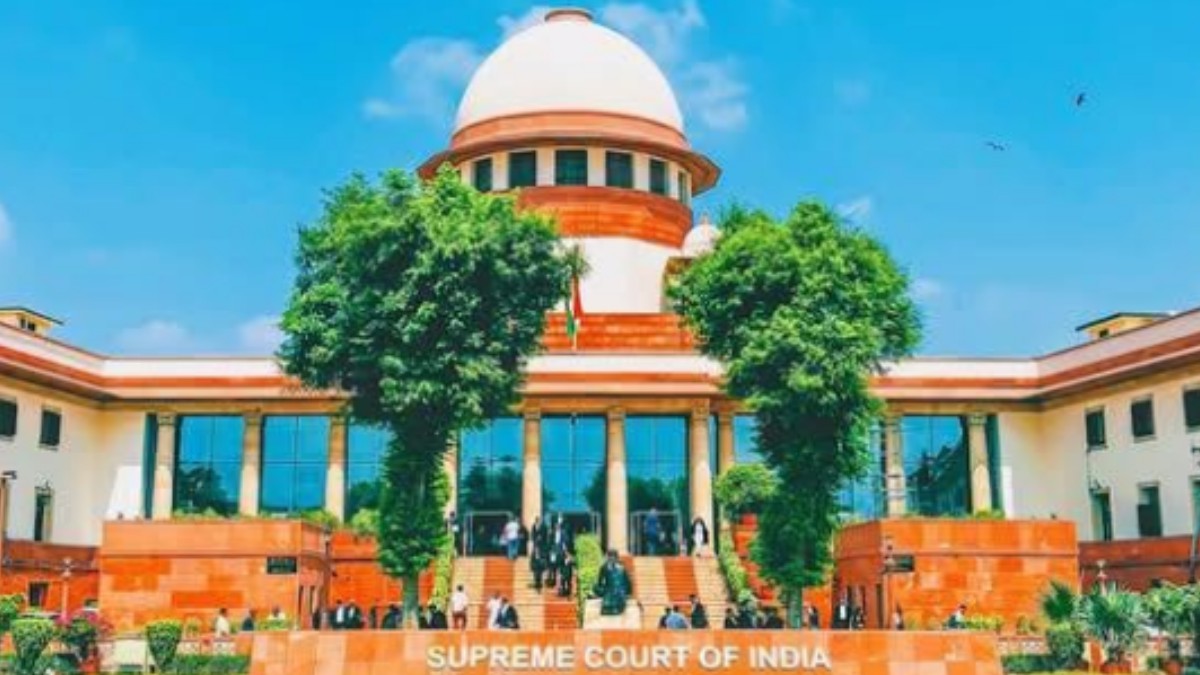
The Centre’s submission came during proceedings before the Supreme Court, where it outlined measures being taken to enhance awareness and education on issues related to child protection, sexual abuse prevention, reproductive health, and gender sensitization.
Educational institutions are crucial for informed and responsible citizens today, therefore comprehensive sexuality education is essential to our education and well-being, the government said.
The proposed curriculum would be designed to be age-appropriate and that the students would receive information appropriate to their understanding level. Research has long supported that structured and scientifically correct education is critical for children to make informed decisions, to know bodily changes in adolescence and to recognise inappropriate behavior, and to reduce likelihood of abuse and misinformation.
The sex education goes beyond biological aspects of reproduction. Human anatomy, puberty, menstrual health, emotional development, healthy relationships, consent, personal boundaries, online safety, prevention of sexual harassment, gender equality, reproductive health, and protection from sexually transmitted infections are the basics. The goal is to provide factual knowledge while creating mutual respect and responsible behavior.
The Centre said the aim is to develop awareness of students rather than promote a particular lifestyle. The curriculum will focus on scientific and legal knowledge and safety, so that students are aware of the most dangerous situations and can seek help if needed, said officials.
The Supreme Court has also made it clear that protecting children and in the school system providing safe environments for learning and development is one of the top priorities it must address. Child rights advocates have said it is important to have early education about body autonomy and consent that will ensure protection and disclosure of child abuse, helping to reduce stigma around sensitive topics.
Health professionals in particular have welcomed the government’s approach because adolescents often rely on unreliable online sources or peers for information on sexuality and relationships. A well-run education program with trained educators can provide accurate information and help to dispel the myths and misconceptions that frequently linger among young people.
The initiative will complement existing awareness programmes as part of different ministries that are focused on adolescent health, menstrual hygiene, mental health, nutrition and child protection. It is also in line with broader efforts to make schools safer through knowledge of legal safeguards such as the Protection of Children from Sexual Offences (POCSO) Act and anti-harassment guidelines.
But implementing comprehensive sex education across India’s diverse educational landscape will be difficult. Education experts say curriculum development must be culturally sensitive and scientifically accurate and inclusive. Teachers will need to be trained to communicate sensitive topics well and educational materials must be made for diverse age groups and regional environments.
More educationists believe parental engagement will be required for the success of the initiative. Open communication between schools, families and communities can ensure that students have consistent guidance and support and dispel some misconceptions about sexuality education.
International organizations such as UNESCO and the World Health Organization (WHO) have long recommended comprehensive sexuality education as an integral part of quality education. Research suggests that such programs provide knowledge, build healthy relationships, decrease risk and encourage respect for individual rights without the promotion of early sexual activity.
The Centre’s assurance before the Supreme Court is a major policy shift towards life skills education and child protection in India. Details of implementation timelines and curriculum content and institutional duties will come out in the coming months, but the announcement is a big step towards all students having knowledge essential to their physical, emotional and social well-being.
If properly implemented, comprehensive sex education would lead to educated, confident and responsible young people and safer educational environments and more awareness of health, consent, dignity and mutual respect.