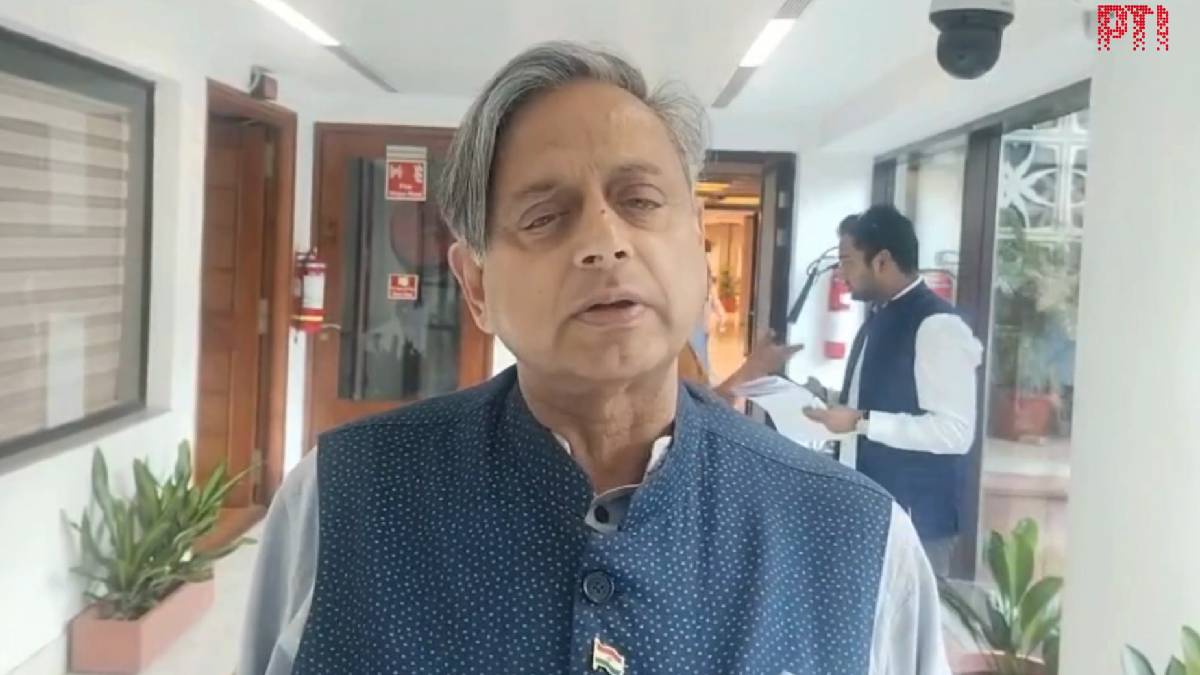
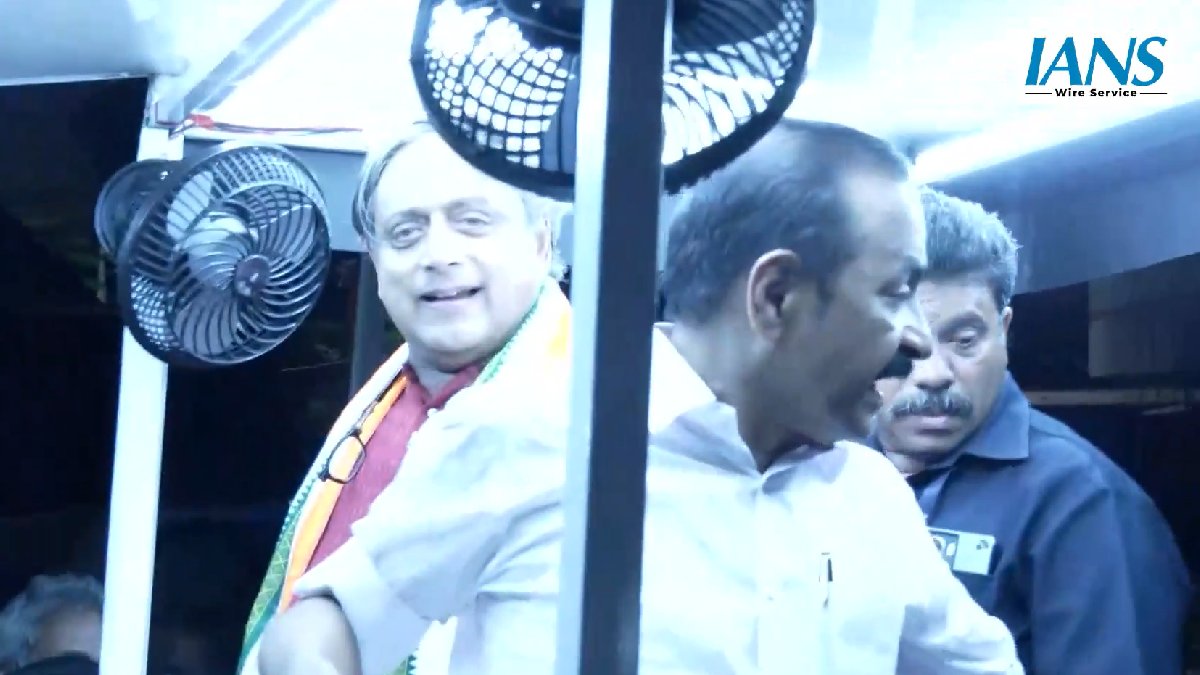
Shashi Tharoor, the Congress MP in parliament, called for a detailed discussion in parliament of the NEET protests and the treatment of students and the police action against them. As the protests have become more and more political,
Tharoor said: “These students are India’s future, don’t treat them like that.” His comments may add to the Opposition’s calls for a parliamentary debate on the National Eligibility cum Entrance Test (NEET), student grievances and the handling of public demonstrations.
The protests have emerged as an increasing issue, with students and organizations raising issues surrounding the medical entrance examination. There have been demonstrations in different parts of the country where students have demanded more transparency, accountability and changes.
Although most of the protests have been peaceful, there have been instances where law enforcement has intervened and detentions and allegations of excessive police action have been made. The security measures were taken to maintain public order and not to disturb normal civic life, said the authorities, who also argued that there should be no demonstrations to disrupt the peace.
Tharoor said that Parliament is an appropriate forum for discussion of issues affecting lakhs of students and their families. He said youth voices should be taken seriously and elected representatives should also take on education and public policy issues which have far-reaching implications. If students can have their concerns discussed in public rather than in isolation, he said, then the democratic institutions will be better and public confidence will be raised in the education system.
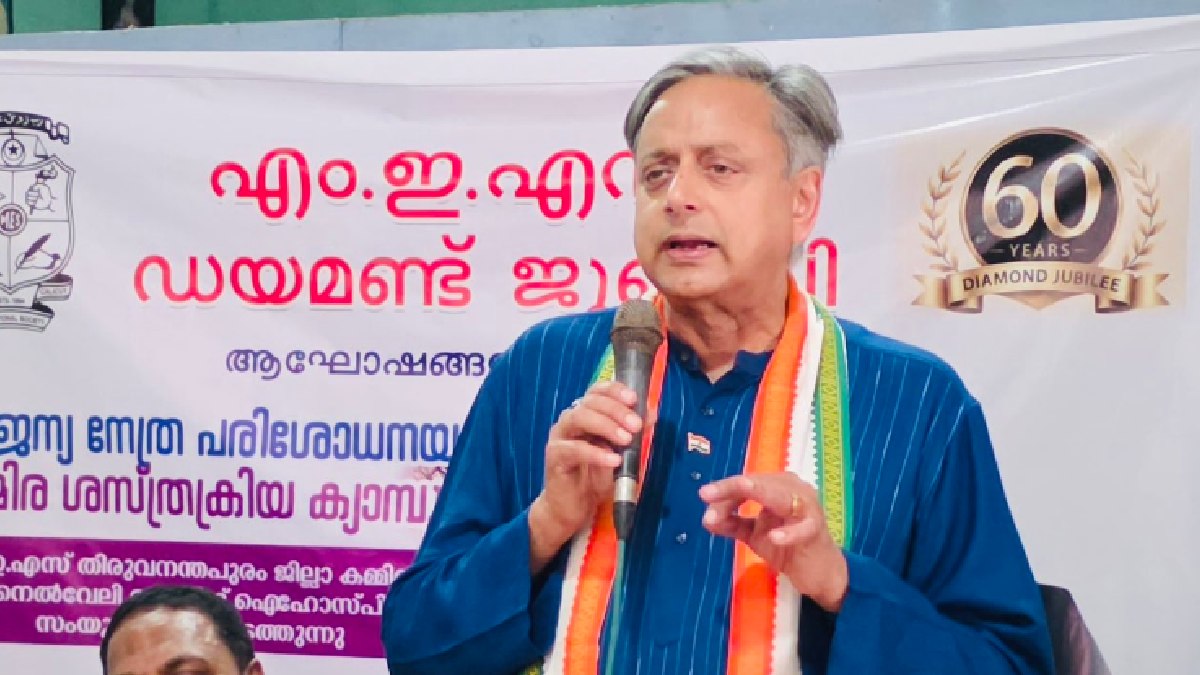
The Congress leader also expressed concern about the police’s action against protesting students, saying law enforcement should exercise self-control against peaceful demonstrators and should not see them as enemies but as people who come forward to express their concerns as they are just people who want to know what they know to be the answer to the issues that matter to them in the future. His words have also resonated with other Opposition leaders who have also said they would like to see a balanced policy that is in line with public order and constitutional rights to peaceful protest.
The NEET is still one of the most important entrance tests in India and is the entry test at the center of undergraduate medical and dental colleges across India and the gateway to medical student admission for undergraduate medical and dental courses. Every year millions of people sign up for the NEET exam and it is one of the biggest competitive exams in the world. Any controversy or concern on the examination brings students, parents, teachers, and government officials together to be in the forefront of national debate.
Political reactions to the protests have intensified, with Opposition parties accusing the government of not addressing students' concerns adequately. They have called for better transparency in decision-making, better communication with stakeholders, and institutional changes where necessary. Meanwhile, government representatives have again made it clear that they will continue to support the integrity of the examination but will keep law and order at all times when demonstrations are taking place.
Education experts have recognized that large-scale examinations will require proper administrative systems in place, transparent processes, and grievance redressal systems to keep public confidence. They argue that more open dialogue between authorities and students is necessary to settle problems and lower tensions at times of high public concern and they think that the government needs to do that and that it can’t be all on students.
The issue has also dominated social media, where students, teachers, parents, and other public figures have raised diverse opinions about the examination process and the responses to the protests. Some have supported the students’ demand for increased accountability while others have highlighted the need for education to continue without prolonged disruption.
The Opposition will now press for a formal debate on the issue in Parliament as a matter of course - leaders like Shashi Tharoor and others who have been calling for the government to take account of the concerns raised by students. Whether the debate ever takes place remains uncertain but the situation has already become a major political and public topic.
Tharoor’s comments reflect a broader point that young people are key to the country's future. His appeal to student concerns is a reminder of a continuing debate over the balance between public order, democratic rights, and the need to maintain trust in India’s educational institutions. It will be in Parliament and the government’s hands and not just the opposition’s as the demands for the students and Opposition leaders will continue as the issue of the day.