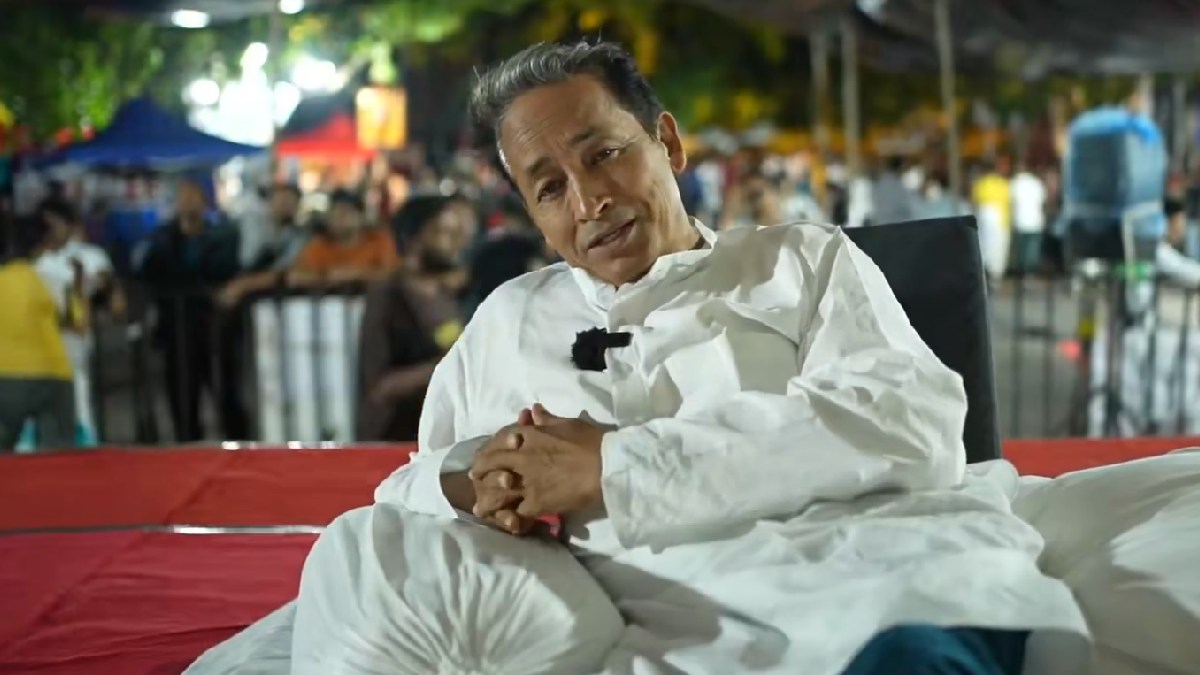
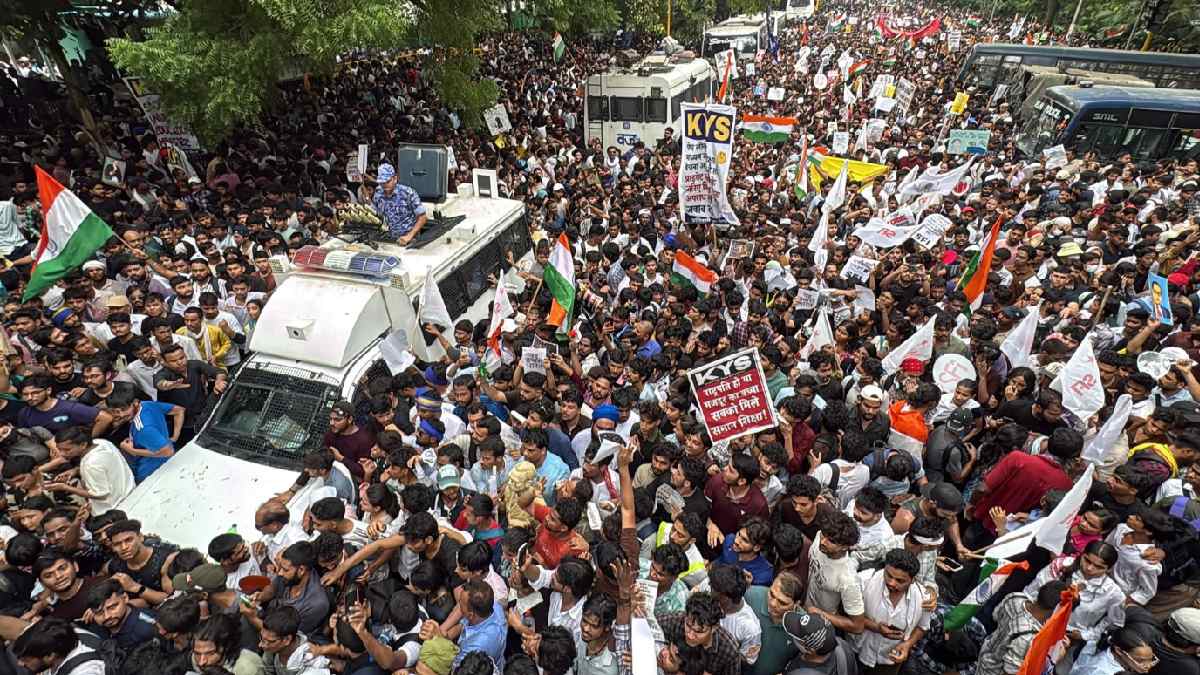
As climate activist and education reformer Sonam Wangchuk’s indefinite hunger strike entered its 20th day, support for his protest persisted as opposition leaders rallied around him and called on him to end the hunger strike, but also appealed to him to end it since he is growing worried about his health.
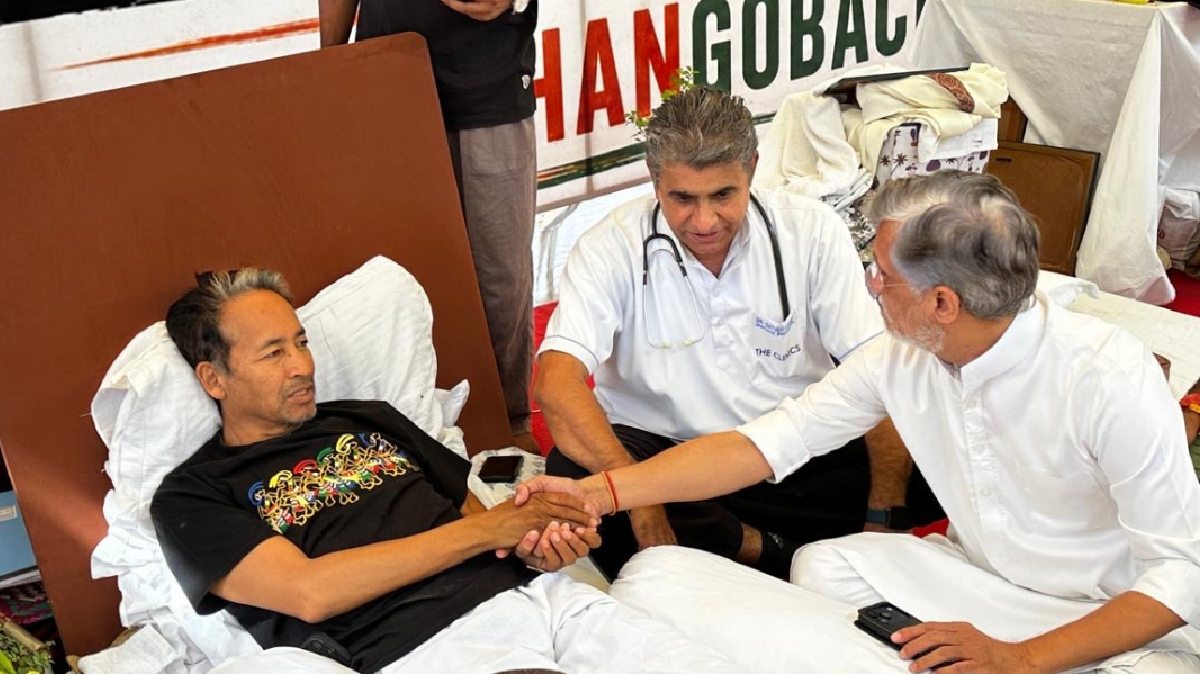
Some senior Congress, Aam Aadmi Party (AAP) and Samajwadi Party (SP) leaders met Wangchuk at Jantar Mantar in Delhi, to say they are in solidarity with him and ask the Centre to hold talks with him. Wangchuk's appeals came a day after the Delhi High Court directed authorities to keep monitoring Wangchuk and to keep him alive, saying maintaining life should be the top priority.
Sonia Gandhi appeals to Wangchuk
According to sources, senior Congress leader Sonia Gandhi has personally appealed to Sonam Wangchuk to end his hunger strike, citing his deteriorating health.
The appeal was also a reference to the past. Gandhi drew parallels with 1984, when former Prime Minister Indira Gandhi travelled to Leh to persuade Wangchuk’s father Sonam Wangyal to end a hunger strike on a Scheduled Tribe (ST) status for the people of Ladakh.
The Congress has given strong support to Wangchuk's continuing protest, and it has become the focus of demands for educational reform and accountability following the NEET examination controversy.
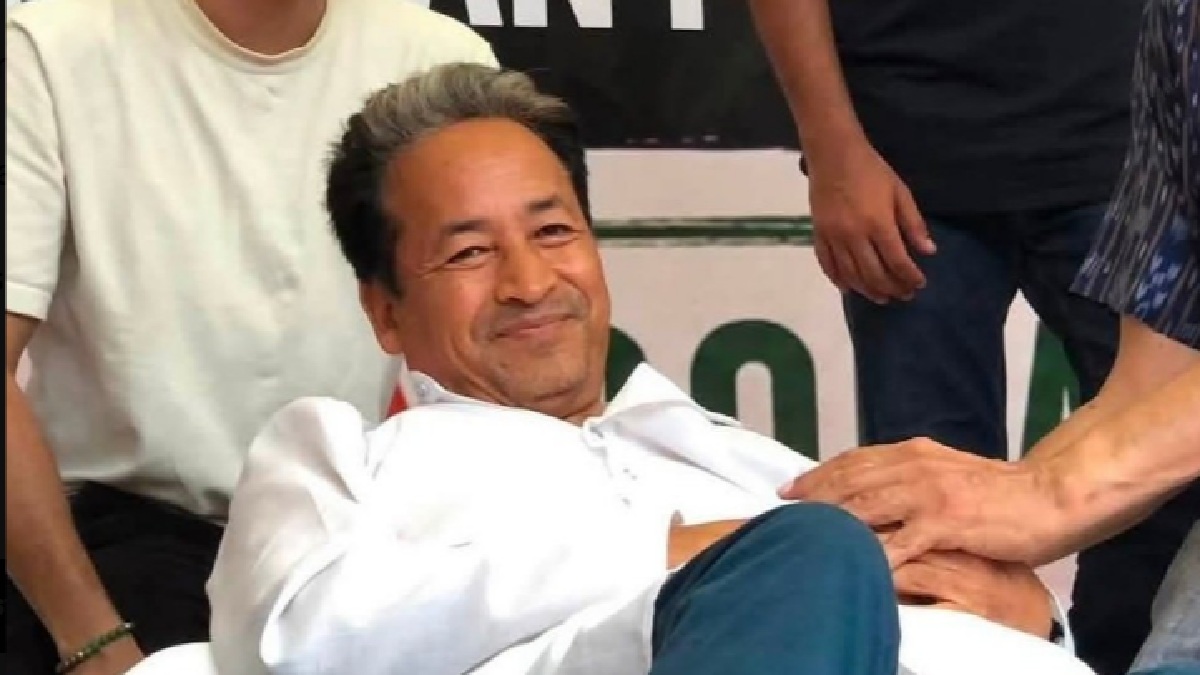
Pawan Khera, senior Congress leader, visited Wangchuk at the protest site today, while Karnataka Cabinet Minister Dinesh Gundu Rao praised the activist saying he was “a man of great commitment” who has dedicated himself to public causes.
Kejriwal Extends Solidarity
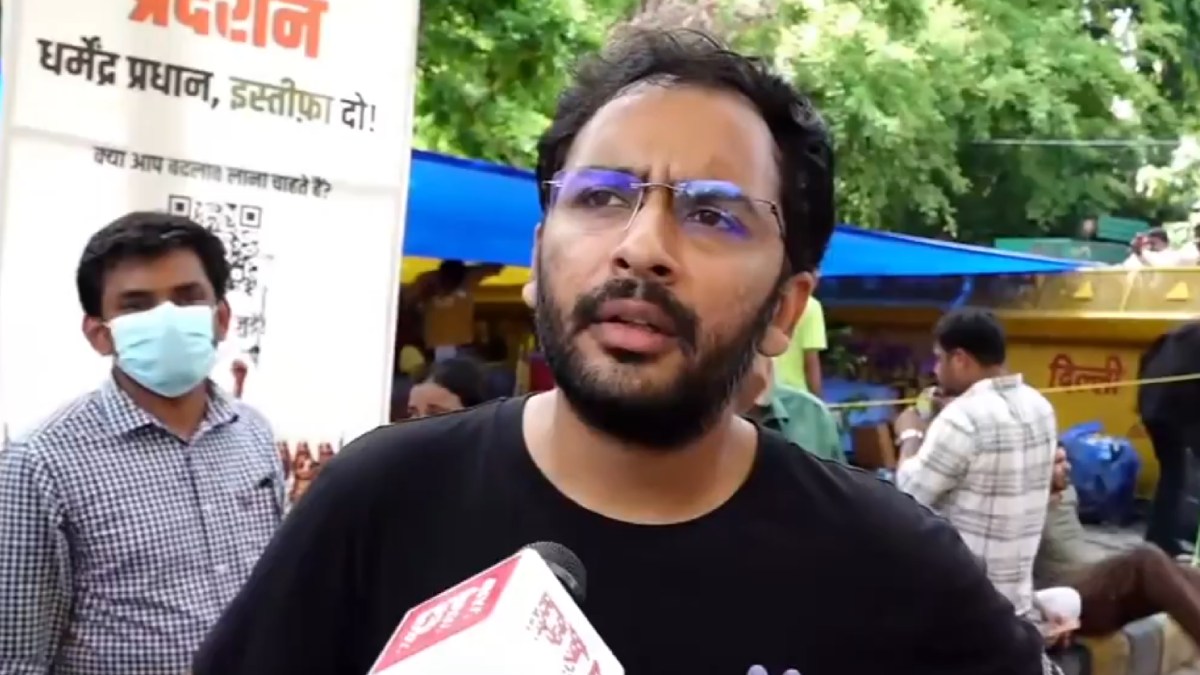
Aam Aadmi Party (AAP) national convenor Arvind Kejriwal also visited Jantar Mantar on Thursday where he met Wangchuk and expressed solidarity with the protest.
Arvind Kejriwal, saying Wangchuk is someone who is “risking his life for the youth of the country” in his view that he “is risking his life for the future generations of our country’s youth,” criticised the Centre for the way it handled examination-related controversies.
As Kejriwal took a swipe at government, he even suggested Wangchuk should replace Union Education Minister Dharmendra Pradhan, arguing that someone with Wangchuk’s commitment towards education reforms would be better suited to lead the ministry.
Saurabh Bhardwaj, senior AAP leader in the region, also echoed the line in saying if a change in leadership was to be made, Wangchuk should be given responsibility instead of other political leaders.
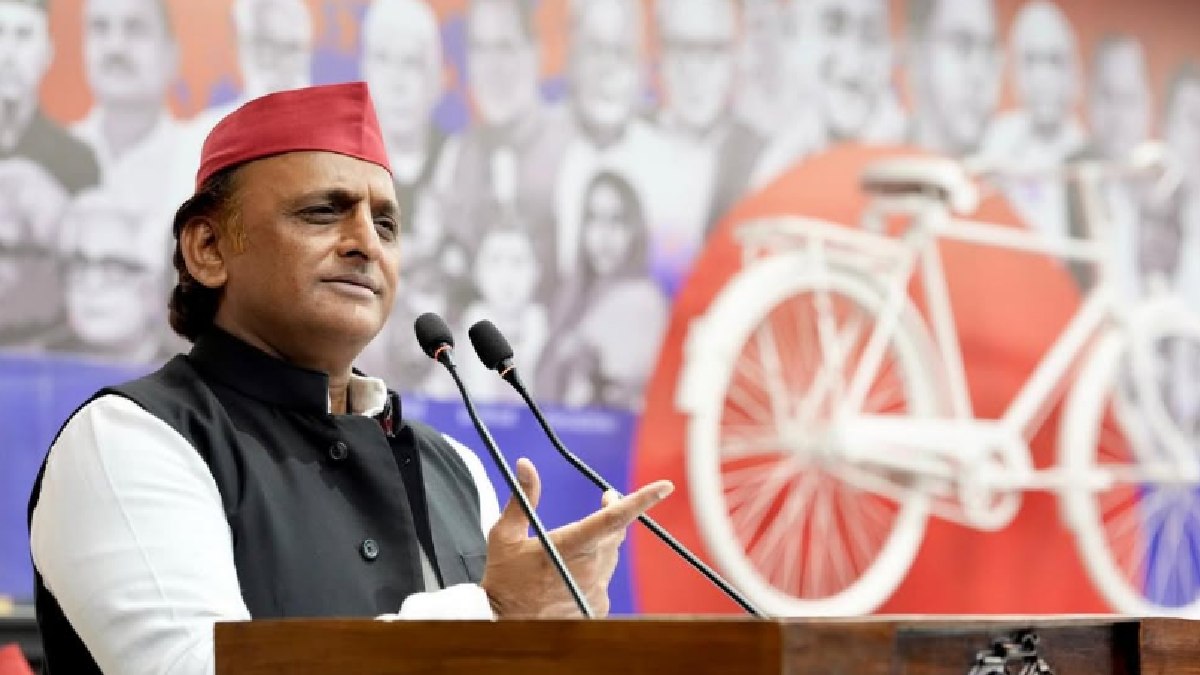
Samajwadi Party Joins Chorus
The Samajwadi Party also voiced support for Wangchuk’s movement.
Dimple Yadav of the party criticised the Union Government for not taking any action to handle the protest and called for a more compassionate approach from them. She appealed to the BJP-led government to go for direct dialogue with Wangchuk and have the time to take the demands of the people who have been up in arms and put them into action and respond in a respectful way.
Her remarks reflected growing political pressure on the Centre as opposition parties increasingly frame Wangchuk’s protest as a larger issue concerning students and education reforms.
Delhi High Court Orders Health Monitoring
As Wangchuk's physical condition deteriorated, the Delhi High Court stepped in to ensure that his health was monitored.
On Thursday, the court directed authorities to continue clinical monitoring and ensure the timely delivery of any medical intervention needed at this point to the patient and follow up and care can be provided on time.
Chief Justice D.K. Upadhyaya and Justice Tejas Karia said that “life is precious” and that everyone should take every possible step to safeguard Wangchuk's health with the necessary legal and medical guidance.
In his testimony before the court, Solicitor General Tushar Mehta told the bench that Wangchuk's health was being monitored regularly by medical professionals.
Hunger Strike Goes into Critical Phase
Wangchuk started an indefinite hunger strike on June 28, in a protest seeking accountability for the NEET paper leak scandal and for broader reforms in India's education system.
Doctors who are aware of the activist have described a long-term fast as causing significant weight loss and a decline in his health status.
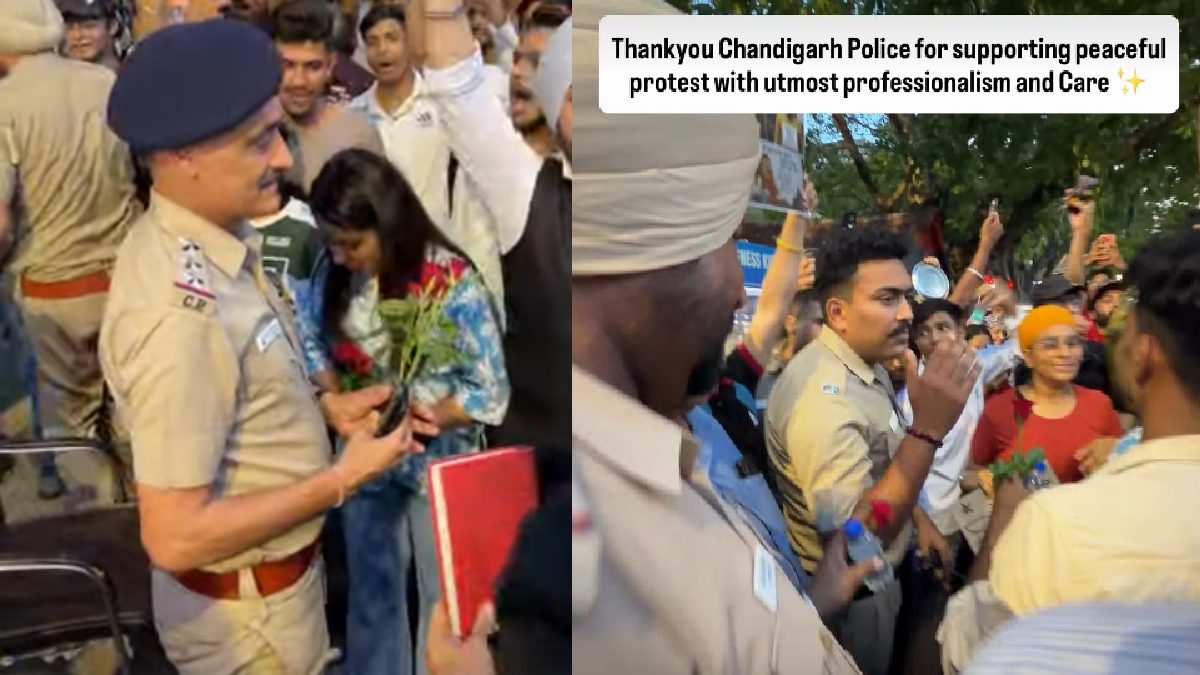
Wangchuk has been determined that he will continue his protest and hopes to take part in a peaceful march to Parliament and that the government would respond to the problems of students and protesters.
With opposition parties now openly supporting his movement, the protest has evolved from a student-led agitation into a major political issue. Wangchuk’s fast is inching closer to a critical point, so pressure on the Centre to listen and ensure that the activist’s health doesn’t worsen.