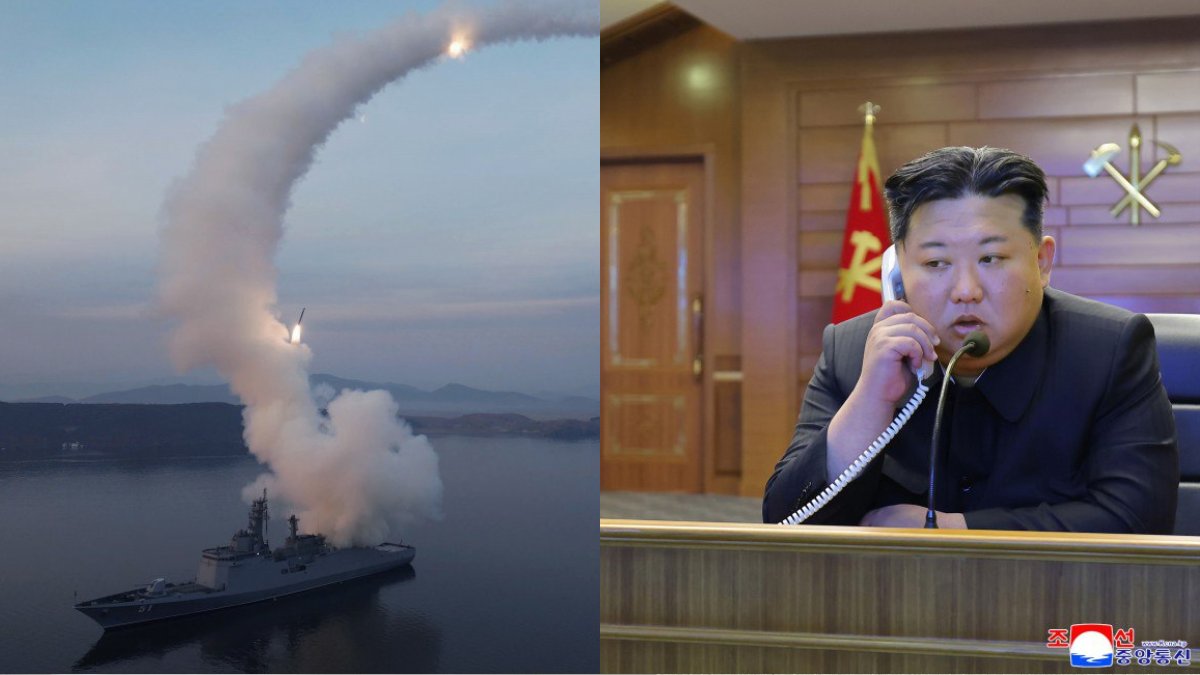
North Korea has criticized US support of Taiwan but has also reiterated support for Russia, highlighting the growing convergence of Beijing, Moscow and Pyongyang on major geopolitical questions.
The North Korean position is also happening at a time of continued tension in East Asia and Taiwan. But Washington has continued to support Taiwan, in part because it has promised to assist the island to improve its defence capabilities, which China and its allies have not welcomed.
Pyongyang has always rejected what it calls US interference in regional affairs. North Korea’s latest criticisms of such interference, however, are indicative of a general rejection of Washington’s alliances and security alliances in the Indo-Pacific region.
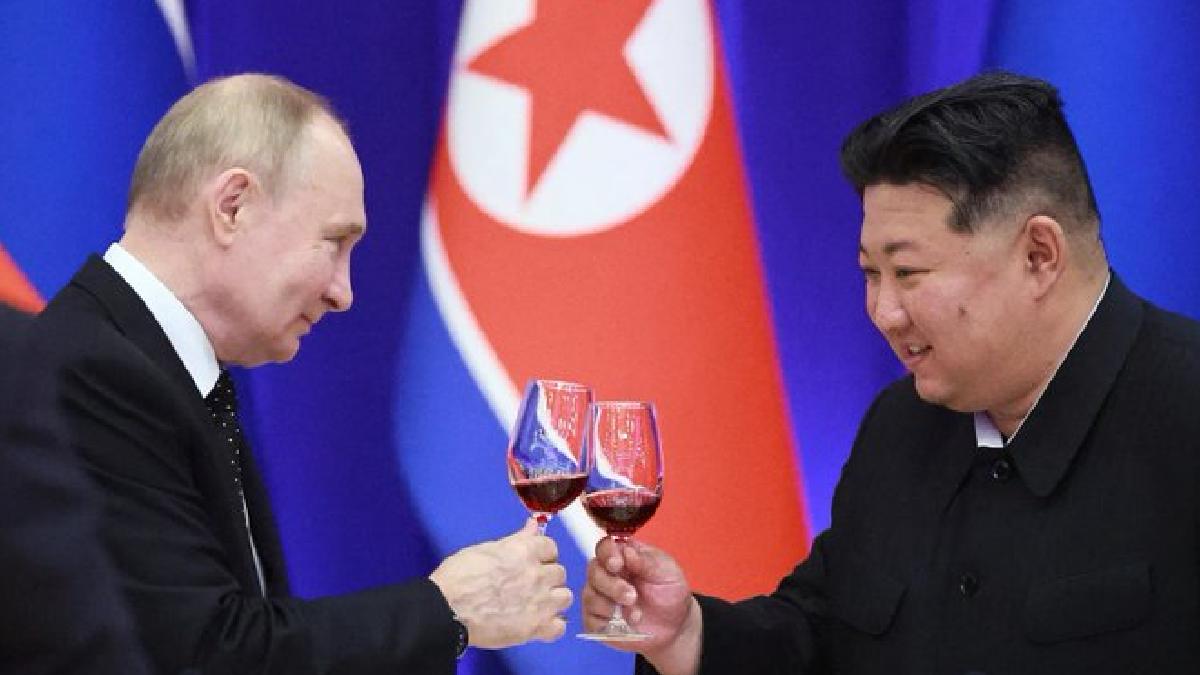
At a time when Russia and Western countries are going through a war, North Korea and its relations with Russia are only growing stronger.
North Korea is very vocal in its support of Russia on many international issues and Moscow has maintained diplomatic ties with Pyongyang. Their relationship has attracted international attention because both countries are under very heavy sanctions from the United States and its allies.
Taiwan is a particularly sensitive issue because it has a deep role in regional security. China considers Taiwan to be part of its territory, and has repeatedly blocked U.S. military and political support for the island. Washington has unofficial relations with Taipei and has provided training assistance.
North Korea’s criticisms of Washington put the Taiwan issue in its broader conflict with US influence. Pyongyang has often accused the U.S. of pursuing policies to strengthen military alliances around countries seen as strategic foes.
The comments also highlight that security problems in Asia and Europe are increasingly interdependent. So a Taiwan-Russia-North Korea relationship between governments and the region’s citizens is being closely monitored by countries that are worried about changing alliances and increasing strategic competition.
For the United States and its allies, North Korea’s growing ties to Russia are still a security issue. For Pyongyang, closer cooperation with Moscow will allow for more diplomatic support but also counter pressure from Washington and its allies.
North Korea’s latest stance shows how geopolitical divisions are becoming increasingly interconnected. Its opposition to US policy toward Taiwan and continued support for Russia reflect Pyongyang’s larger foreign policy approach of challenging American influence and strengthening relationships with countries that share its opposition to Washington-led alliances.
As tensions persist in different regions, North Korea, Russia, China and the U.S. are going to be closely watched for signs of deeper strategic cooperation or further conflict.