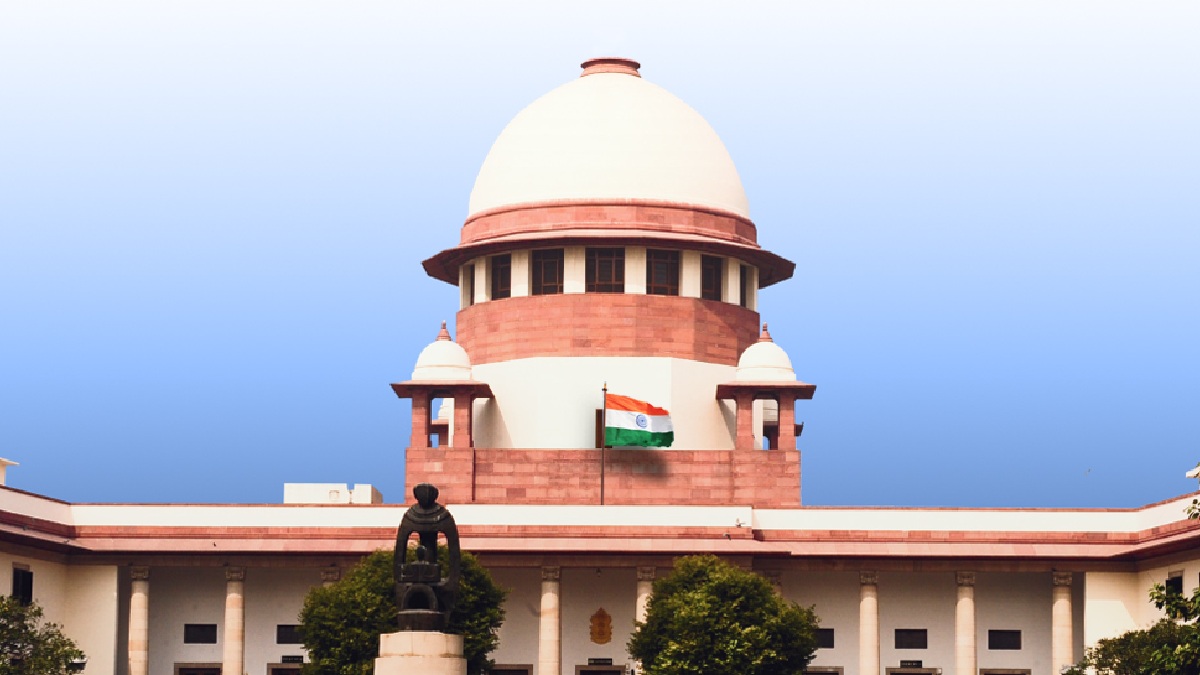
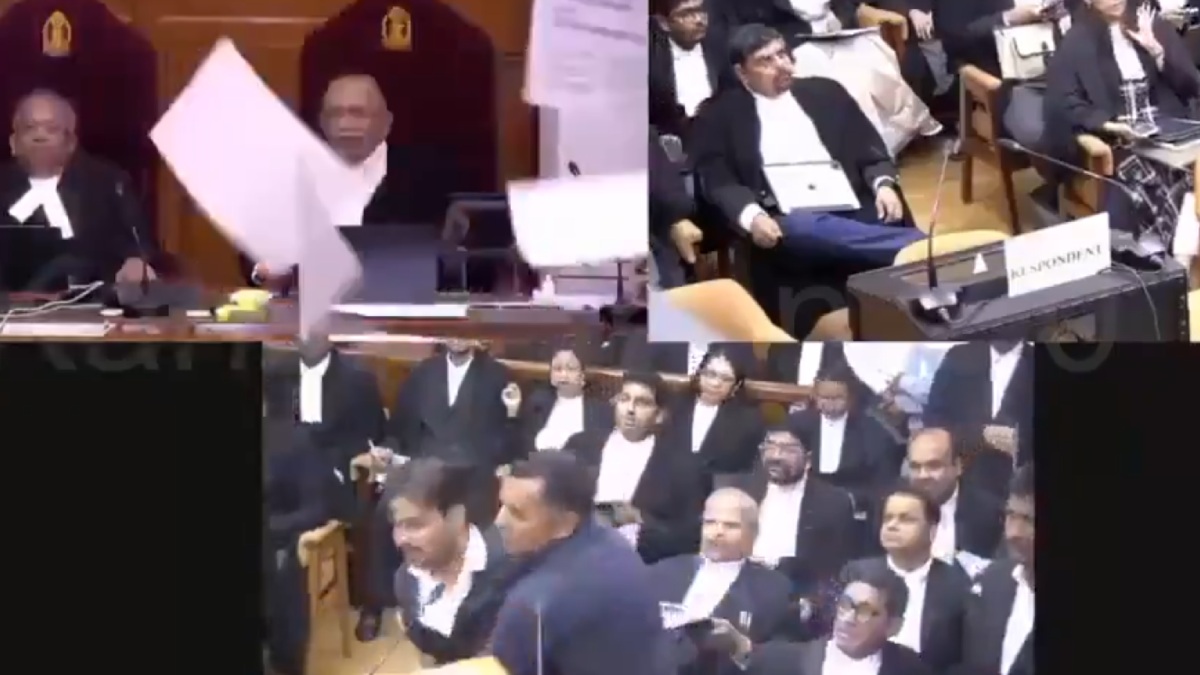
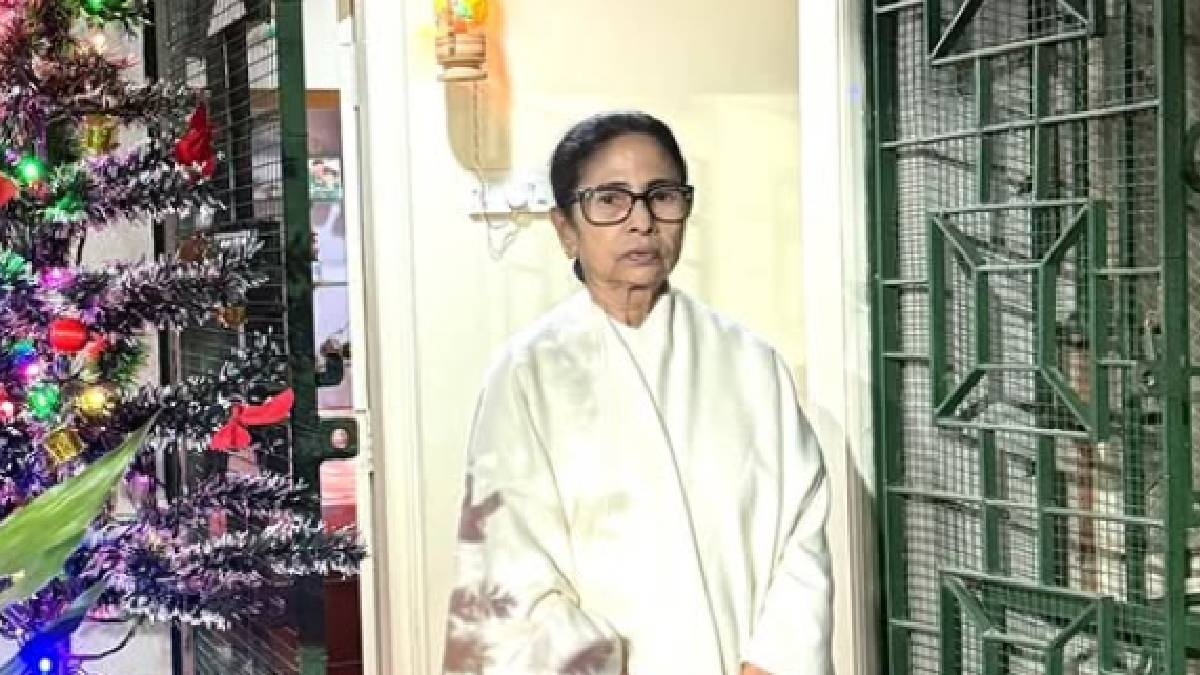
In a stern rebuke to police actions in public protests, the Supreme Court of India declared on Monday that peaceful and lawful protest is fully protected under the Constitution. The court held that just the existence of an agitation does not give authorities the justification to use a lathi-charge.
The remarks were made by a bench of Chief Justice of India (CJI) Surya Kant, Justice Joymalya Bagchi and Justice V Mohana during a hearing of a number of petitions against the alleged police excesses. The legal challenges stem from violent clashes and crackdowns during student-led demonstrations in Delhi (CJP’s “Sansad Chalo” march towards Parliament) and protests across various states over examination paper leak controversies.
Need for independent scrutiny and uniform protocols. A verdict in which the court emphasized that any use of excessive force during public demonstrations must be subjected to impartial, independent examinations, and uniform police policies for crowd control must be established across the country to prevent and control the crowd.
Right to peaceful, lawful protest absolutely guaranteed under Constitution. So long as it is peaceful agitation, just because there is agitation, there can’t be excess... If there is excess committed, it should be independently examined. It’s not only Delhi. Uniformity in protocol needs to be ensured. Merely because agitation there doesn’t mean lathi-charge. Discipline integral to democratic process, CJI Surya Kant observed orally.
The bench also looked at cross-petitions and applications filed on behalf of injured law enforcement officers. A lawyer representing the families of injured police personnel was allowed to be in the courtroom, Justice Joymalya Bagchi said; “physical harm inflicted by protesters and security officials is of equal gravity.” He even wondered why police officers and security personnel didn’t have the proper protection equipment, such as helmets and safety gear.
The protests and legal scrutiny. The Supreme Court's intervention followed weeks of high-stakes demonstrations driven by the CJP at Jantar Mantar in New Delhi. The youth-led movement mobilized thousands of students demanding systemic reforms, accountability for major examination irregularities and the resignation of then Union Education Minister Dharmendra Pradhan.
The protests reached a peak on 20 July when a march to Parliament began, and it was chaotic and protesters broke down barricades, so security forces opened fire with tear gas shells and baton charges. Though petitioners accused security forces of excessive brutality, especially in regional areas like Siwan in Bihar, the authorities argued that the necessary action was only taken because some elements in the crowd were violent and stone-pelting police officers at times.
The agitation was later called off after Pradhan resigned and promises from the central government to meet student demands, including a high-powered examination reforms task force headed by Nandan Nilekani and legislative action to strengthen anti-paper leak laws.
The Supreme Court has said it will keep hearing all those petitions until all the issues are resolved and demands for independent investigative guidelines and standardized crowd control protocols across the country are made.