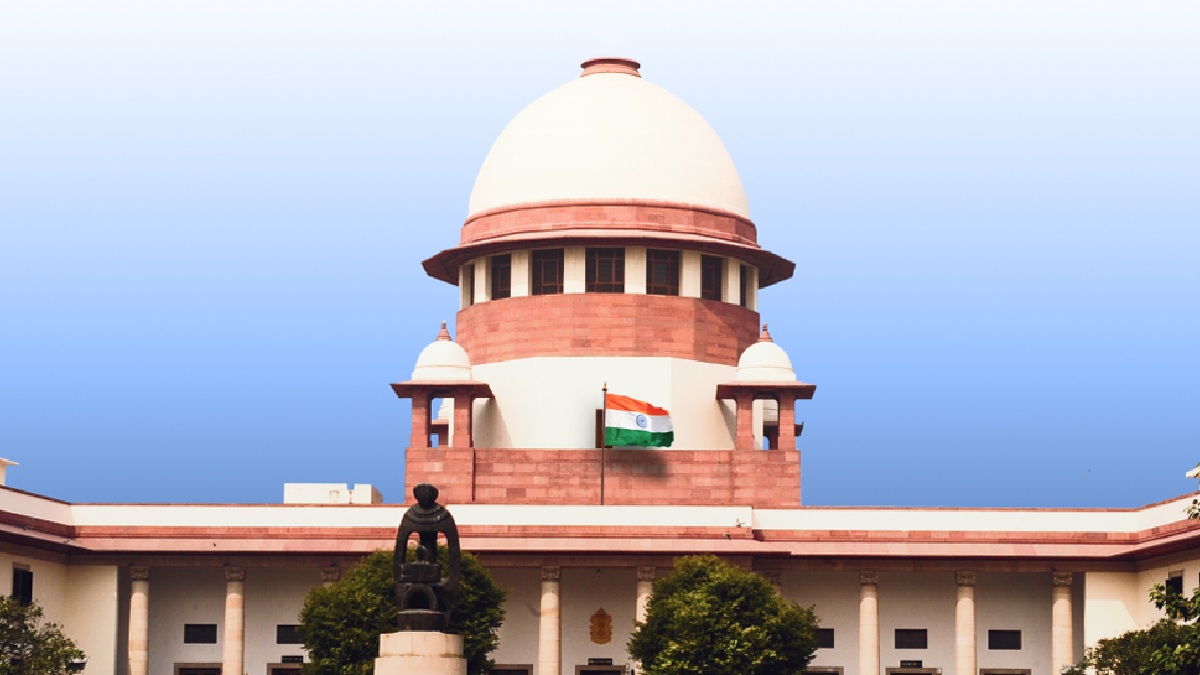
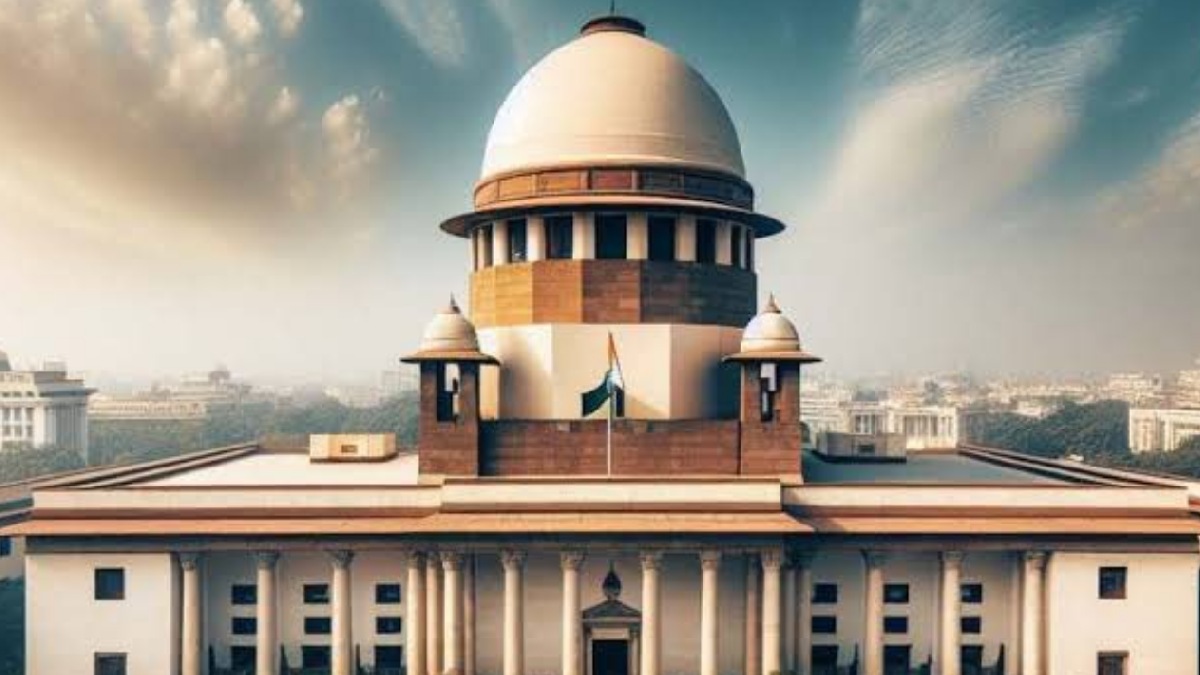
Advocates at the Supreme Court of India gathered to read the Preamble to the Constitution in a symbolic gesture of support for the protest at Jantar Mantar and to voice their opposition to the police action against the protesters.
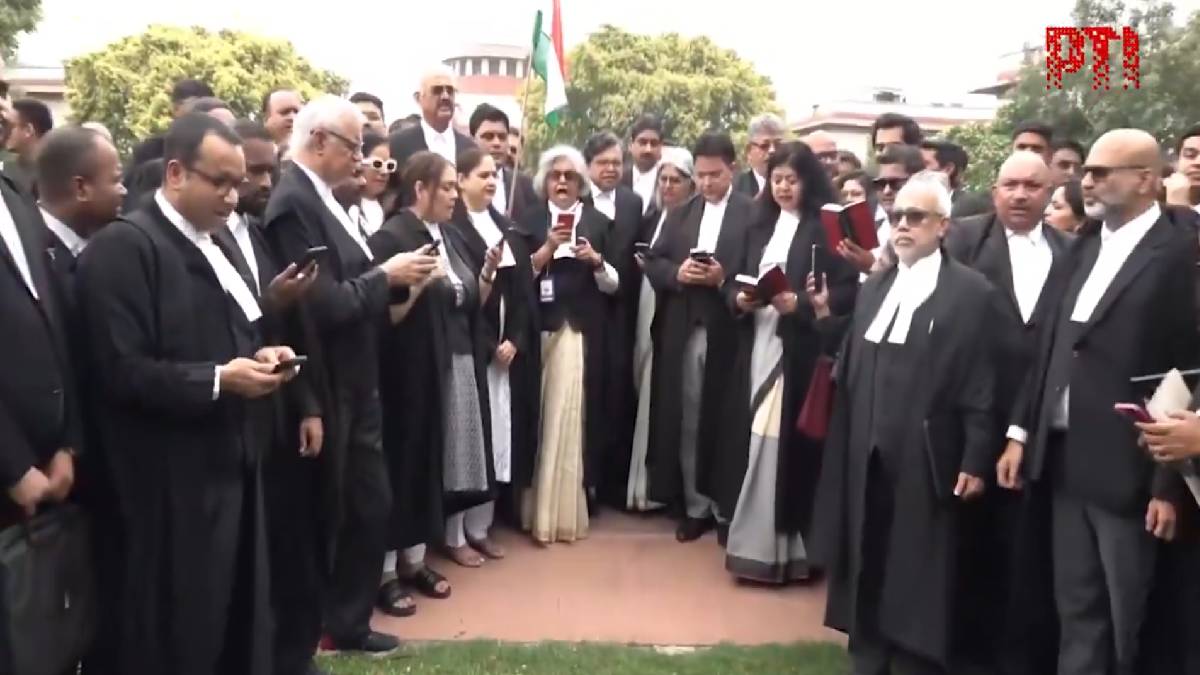
The lawyers gathered inside the Supreme Court premises, recited the Preamble and spoke at the same time, emphasizing the constitutional values of justice, liberty, equality and fraternity. The event was to be a peaceful demonstration, people said, in support of protecting constitutional rights: peaceful assembly and freedom of expression.
VIDEO | Delhi: Advocates at the Supreme Court read the Constitution's Preamble in support of the Jantar Mantar protest and against the police action on protestors.
— Press Trust of India (@PTI_News) July 23, 2026
(Full video available on PTI Videos - https://t.co/n147TvrpG7) pic.twitter.com/UOfk6eaBxX
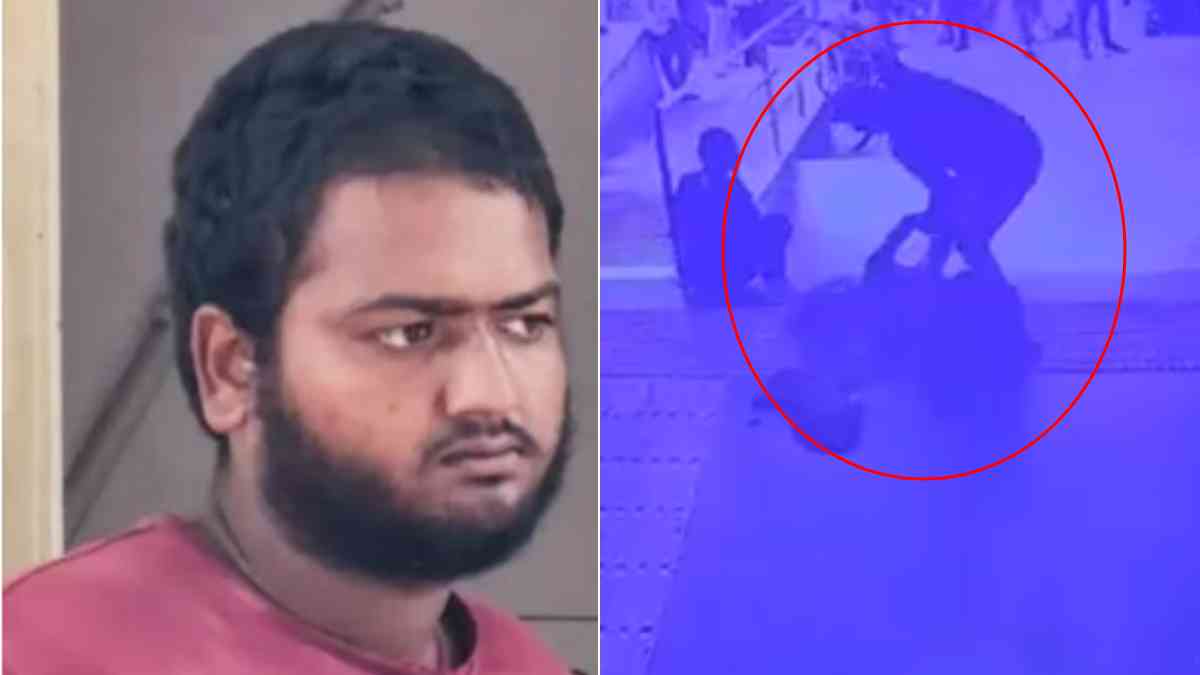
The gathering takes place at a time of increased political and public attention after recent events in Jantar Mantar, where protests and clashes attracted a significant police presence. Photos and videos of the protests have spread widely on social media.

In fact, the activists who were at the event expressed concern about the reported police action against protesters; democratic dissent needs to be protected in the context of the Constitution and the law, they said. They said peaceful protests are important to a democracy and that the government needs to respect constitutional principles, but at the same time maintain public order.
Delhi Police have not issued any statement in response to the advocates’ demonstration. The police have generally said policing measures during protests are in the service of public order and public safety, and that they are committed to enforcing the law in general.
Citizens, lawyers, students, and civil society groups often read the Constitution's Preamble in public campaigns and demonstrations to show the constitutional principles of democracy and the rule of law. This is usually done to underscore commitments to democratic institutions and the rule of law.
The developments also reflect broader national conversations on the balance between the constitutional right to peaceful protest and the responsibility of authorities to maintain law and order. Courts in India have repeatedly recognized that peaceful protest is an important right, albeit restrictions might be reasonable for public order and security.
Legal observers say demonstrations by members of the legal fraternity are well-known and occur frequently because advocates are the backbone of constitutional governance and the rule of law. Civil liberties and democratic rights are often discussed and debated on the public stage through discussions on constitutional issues.
As Jantar Mantar protests continue to play out, the authorities will continue to monitor the situation, lawyers will express their opinions, and protesters and police will be held accountable.