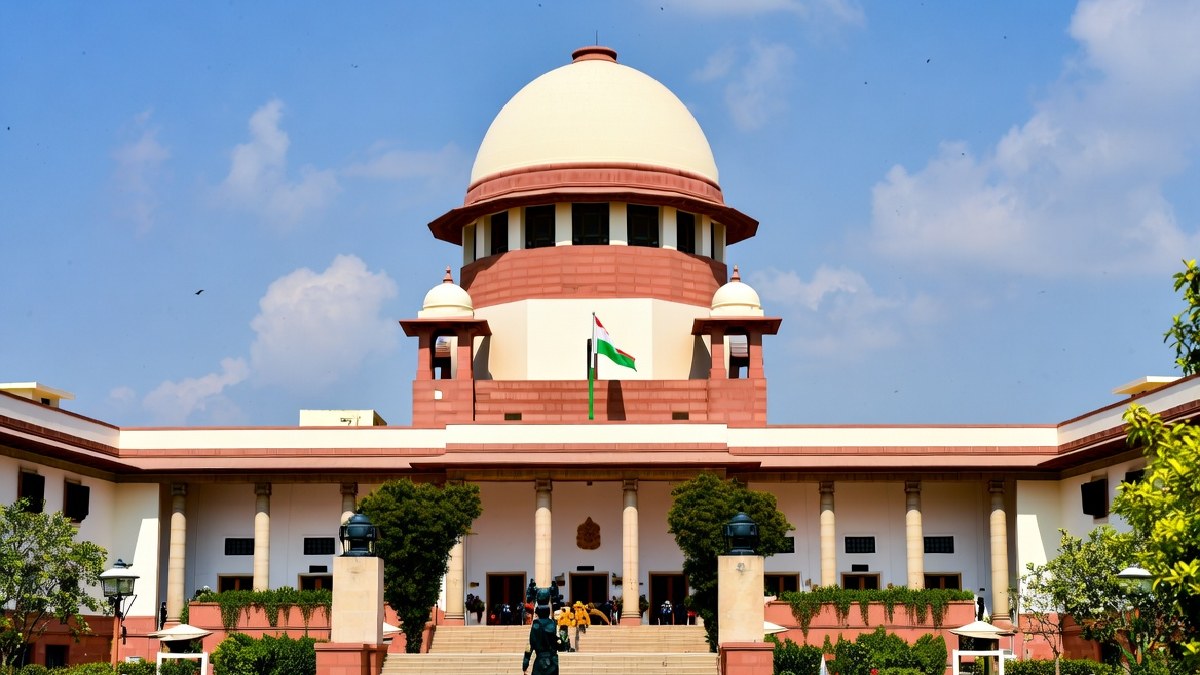
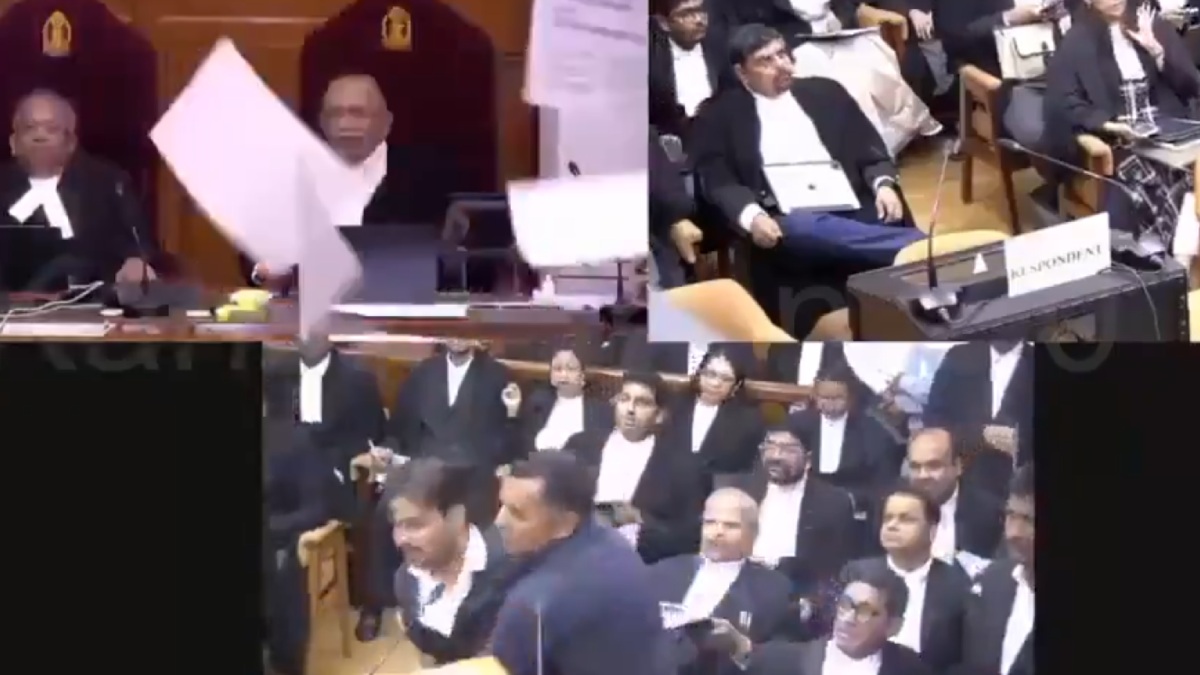
The Supreme Court of India has made a major change to its live stream and ordered that the audio feed of its live stream will be muted when it makes the mention of fresh matters before the Chief Justice of India. This prevents the public and media from hearing from the lawyers' oral requests for urgent case listings and their responses from the bench. This follows the Chief Justice’s comments that the administrative process of scheduling and listing urgent cases should not be classified as a formal judicial exercise.
The practice of mentioning is a key part of the law in that it enables advocates to go to the court directly for instant hearings on important matters. This early stage has typically seen high-profile public interest cases, politically charged ones, or cases of immense constitutional importance. The Chief Justice decides if a matter should be out of turn priority and schedules a provisional hearing date or whether it should not be listed immediately. Oral discussions have attracted a great deal of media attention in the past, and a lot of national issues came to the public eye before formal hearings were even held.
By turning off the audio during these first administrative windows but keeping the visual feed open, the judiciary has made a clear distinction between actual judicial hearings and internal administrative case management. This is consistent with the Supreme Court’s increased interest in safeguarding the dignity of court proceedings. Legal authorities are increasingly concerned with the unannounced circulation of the court, selective clipping, and monetization of courtroom exchanges on digital and social media platforms. Early oral comments or comments by judges during hearings are often sensationalized, taken out of context, or manipulated, sometimes with emerging technologies to shape public perceptions, the judiciary has said.
In other words, the silence of the audio for new mentions would prevent the debate on administrative decisions from being leaked before the hearings and protect the legal process from sensationalism. The Supreme Court, while committed to transparency in live-streaming actual judicial hearings, has already made it very clear that the mechanical and administrative details of scheduling cases are not for public theatrical consumption and thus the transparency required by the Constitution is not at odds with institutional decorum and orderly administration.