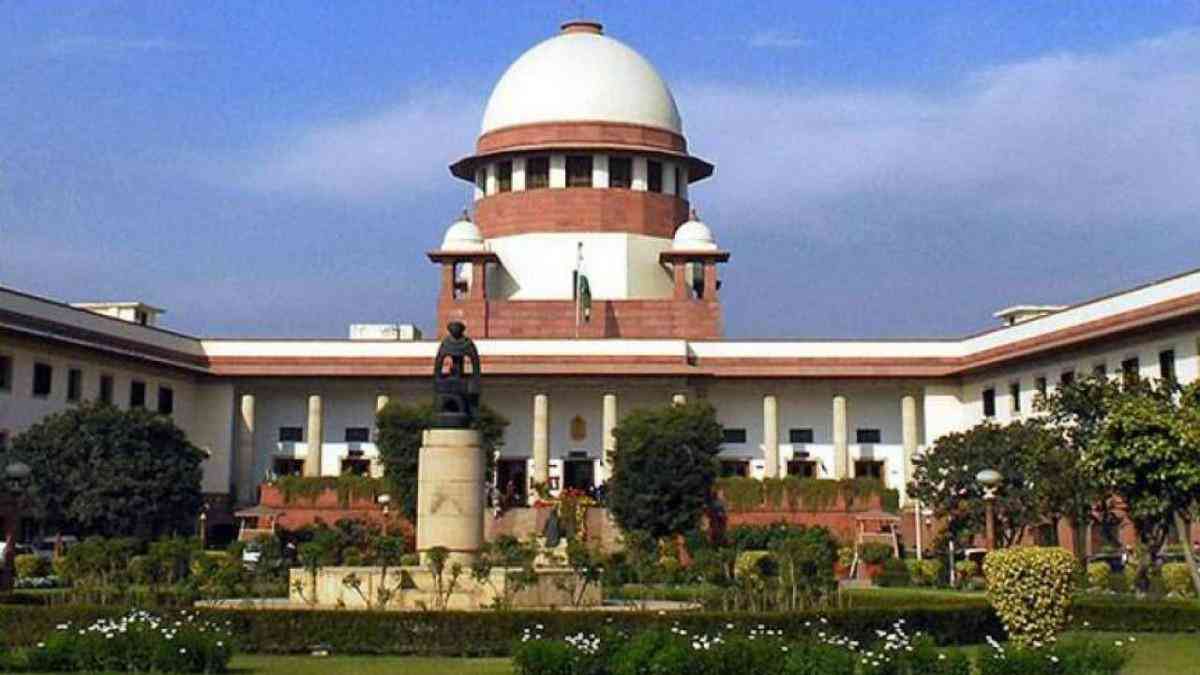
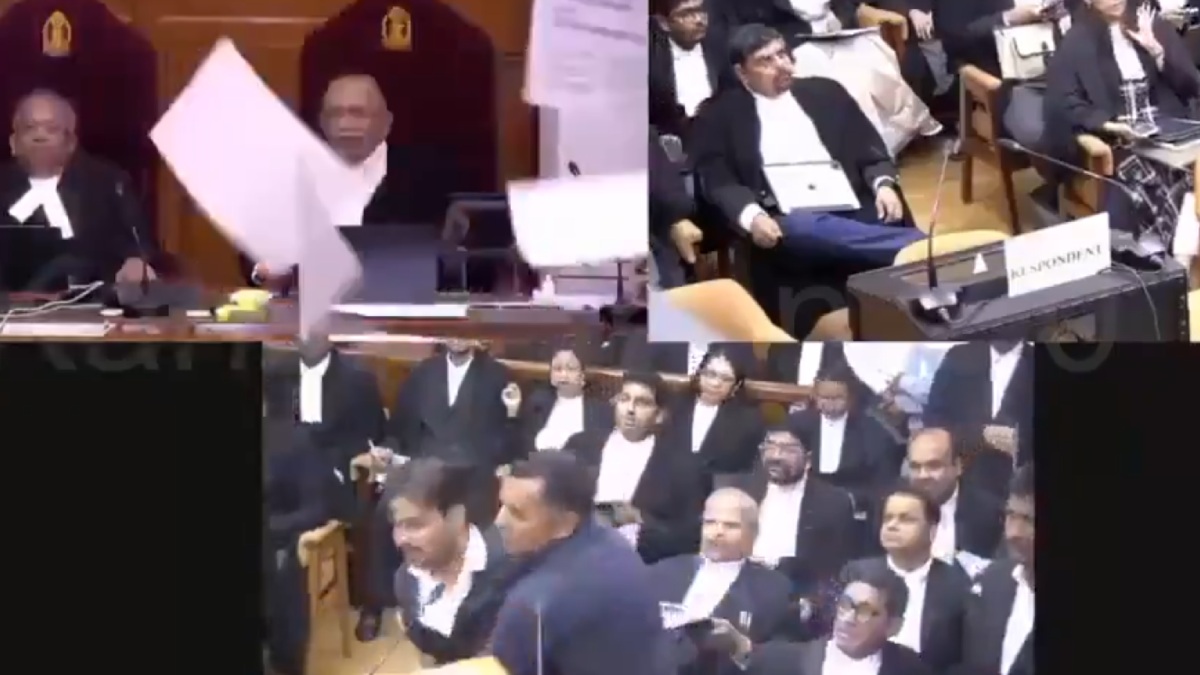
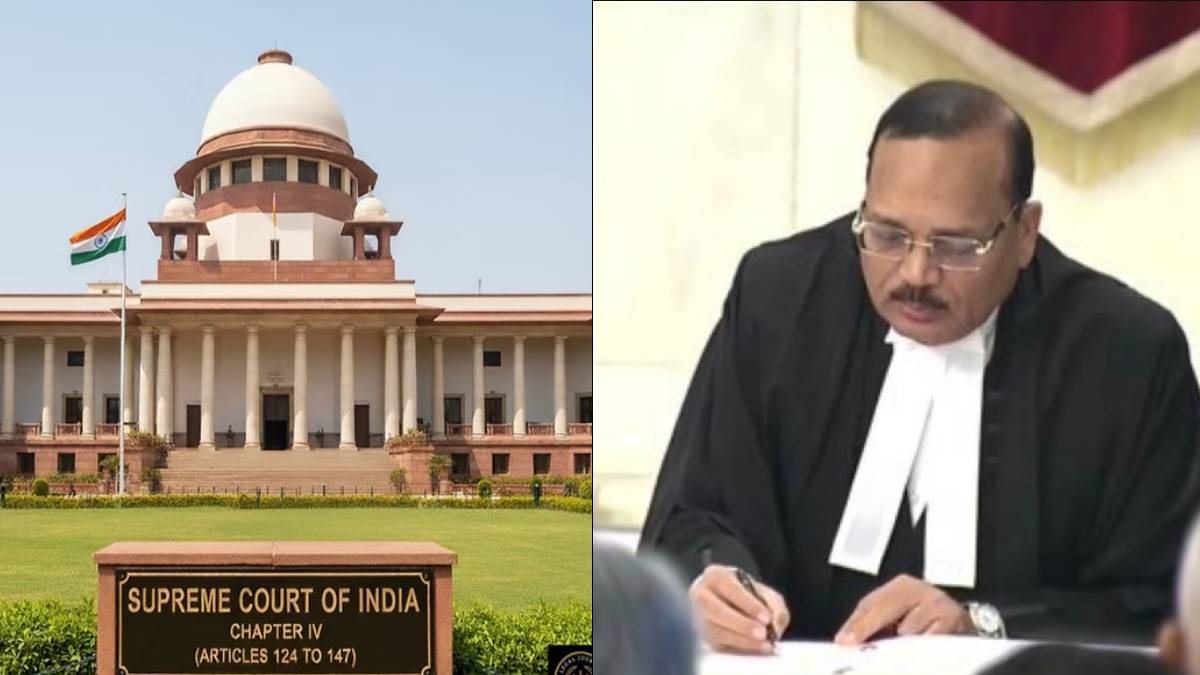
In a landmark decision by the Supreme Court of India that will improve road safety and the enforcement of motor vehicle insurance laws, the Central Government and the Insurance Regulatory and Development Authority of India (IRDAI) have ordered a pilot project to prevent vehicles without valid third-party insurance from purchasing fuel at petrol pumps. The initiative (commonly known as "No Insurance, No Fuel") is intended to address the growing problem of uninsured vehicles on Indian roads.
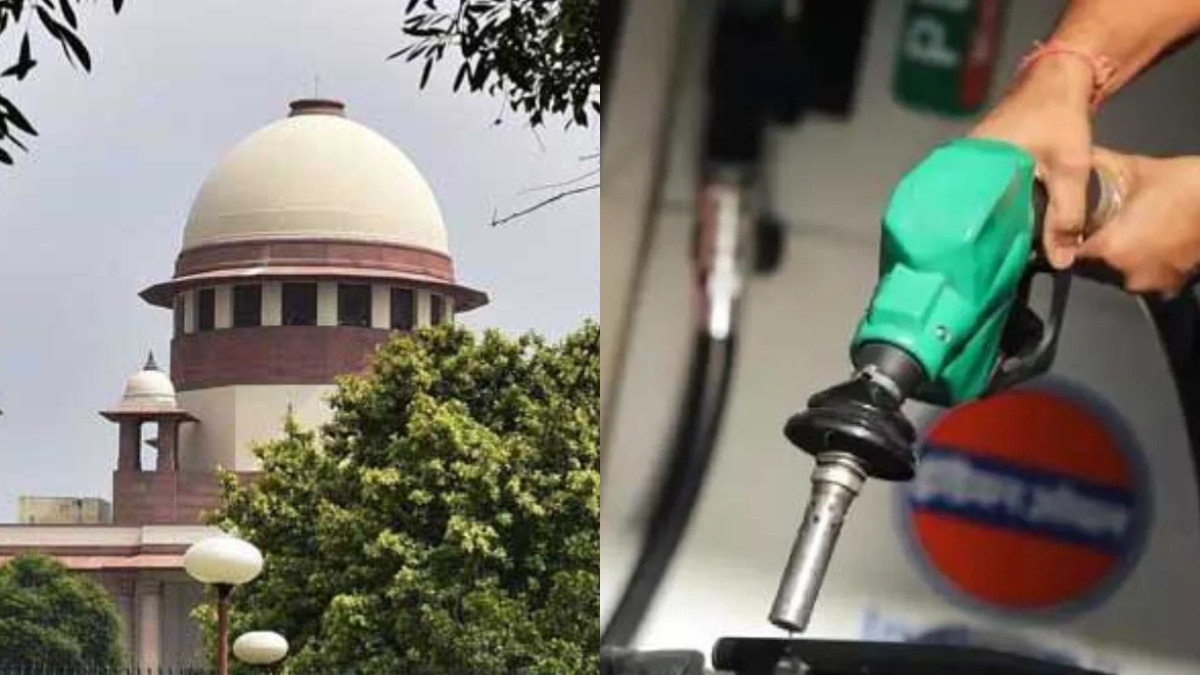
The directive was issued as part of the Supreme Court’s extensive monitoring of road safety measures in the country. The court said it is concerned about the large number of vehicles that are not covered by third-party insurance and therefore, in many instances, victims of accidents are not compensated. At present, the court learned, at least 16.54 crore vehicles in India are uninsured despite a law that requires all vehicles to be covered by third-party insurance on the road.
Third-party insurance is mandatory under Indian motor vehicle laws. It covers financial liabilities arising from injury, death, or property damage to another person in a road accident. But enforcement has been a headache. A lot of cars are still driving without insurance, and millions of people don’t have it. So strong enforcement mechanisms of the court may be needed to ensure compliance and road safety, the Supreme Court observed.
Fueling stations will be equipped with digital databases to check a vehicle’s insurance status before the fuel is sold. If a vehicle has an expired or missing third-party insurance policy, the owner could be denied fuel until the mandatory coverage is renewed. But not yet, the court has asked authorities to evaluate the feasibility of such a system and create a pilot framework.
The Supreme Court also stressed the need for technology-driven solutions to enhance road safety and regulatory compliance. Modern digital infrastructure can help authorities verify insurance validity in real-time and away from manual enforcement and roadside checks, they said. Integration would also enable vehicle owners to renew their insurance in time and reduce the number of uninsured vehicles on the road.
If implemented, the proposal could have wide-reaching implications for vehicle owners across the country. Motorists would need to keep their insurance policies in place at all times to avoid inconvenience while refuelling. The move could also raise awareness about the need for third-party insurance and how it is important to protect both the owner of a car and the victims of an accident.
The proposal is still at pilot stage, and the practical questions remain unanswered. For instance, the data and database accuracy, connections at fuel stations, dealing with emergencies, and how insurance information can be updated efficiently will be key. Also, insurance companies, fuel retailers, transport departments, transport agencies, and technology providers will need to cooperate for a successful implementation, industry experts say.
A more general effort to enhance road safety standards and make certain legal requirements are complied with is being made in response to the Supreme Court’s new directives. The full “No Insurance, No Fuel” policy is still being drawn up, but it means stricter insurance enforcement and could change the way in which vehicle laws are enforced in India.