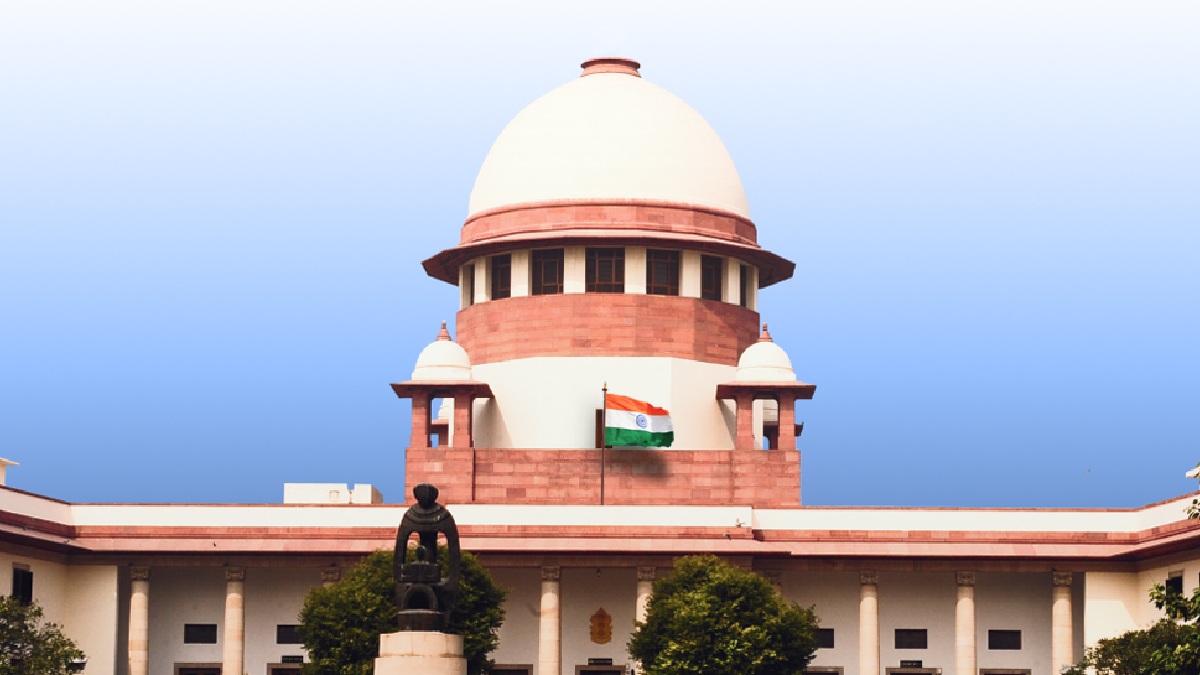
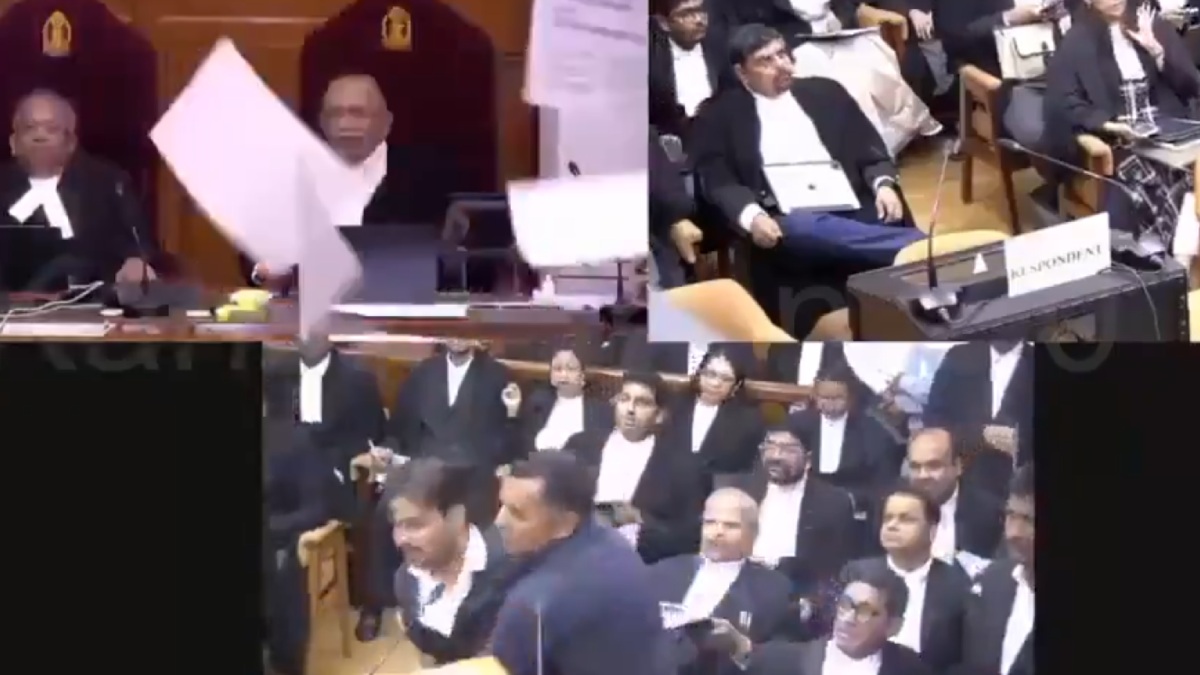
The Supreme Court of India has announced that the uploading and sharing of audio or video recordings of court hearings without prior permission will not be allowed by the court. It is a step towards regulating and controlling the circulation of recordings from judicial proceedings and to protect the dignity and integrity of the judicial process.
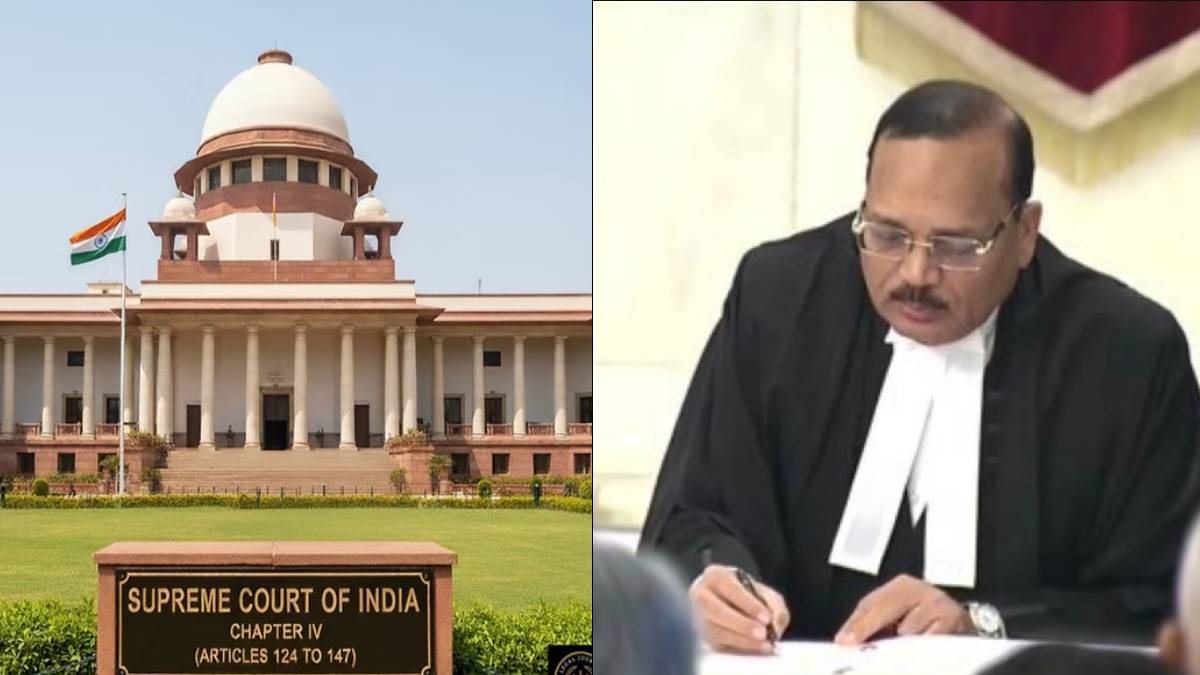
In a clear directive, the top court said:
"We will not allow the uploading and sharing of audio-video recordings of court hearings without prior permission."
The directive would be in place to ensure that court proceedings are not recorded without authorization and will be disseminated quickly on social media (and other platforms where people can share material quickly and out of context).
In recent years, the Supreme Court has increasingly taken advantage of technology by live streaming and digital access to some proceedings to bring public and judicial proceedings to light. But digital recordings have also raised questions of unauthorized editing, selective clipping, misinformation, and misuse of judicial content.

The Court is going to require prior permission for all official recordings to be made available and to ensure that the documents are not leaked and used for a crime.
Legal experts say the widespread circulation of courtroom recordings can be misleading about arguments, witness statements or judicial observations when they are given no context. Short clips that are circulated online can give a false impression about ongoing cases, shape public opinion or hamper the administration of justice.
The directive underscores that while court proceedings might be accessible under certain circumstances, reproduction and distribution will be subject to judicial supervision. Those who want to upload or share such recordings will need to have the permission of the appropriate authority prior to their copyright being granted (in line with the Court’s order).
The decision will also encourage responsible use of digital court content by media organisations, legal professionals, researchers and members of the public. It will also add to the sense that judicial proceedings should be reported properly and official recordings should not be manipulated or used in a way that undermines public confidence in the justice system.
As the Supreme Court has repeatedly said, technology is needed to make justice accessible while protecting the sanctity of the judiciary. With all the digital tools for courts used now, a clear set of guidelines for how courts use recorded proceedings is very necessary.
The new directive, according to observers, provides a mechanism for balancing openness with accountability. The public will still get information on important judicial proceedings through official channels and accredited reporting, but for the time being, illegal circulation of audio-video recordings now requires prior approval to be carried out.
The decision will be of great interest to lawyers, litigants, media houses, content creators and social media users who are on the internet to consume judicial material. Compliance with the Court’s order will be of utmost importance to ensure that the court recordings are legally and responsibly used.