The Supreme Court will hear soon a petition which wants the next Bengaluru civic elections postponed and is concerned about the ongoing Special Intensive Revision (SIR) of electoral rolls. That’s an all-important development for Karnataka’s capital where preparations for the upcoming civic polls are in full swing.
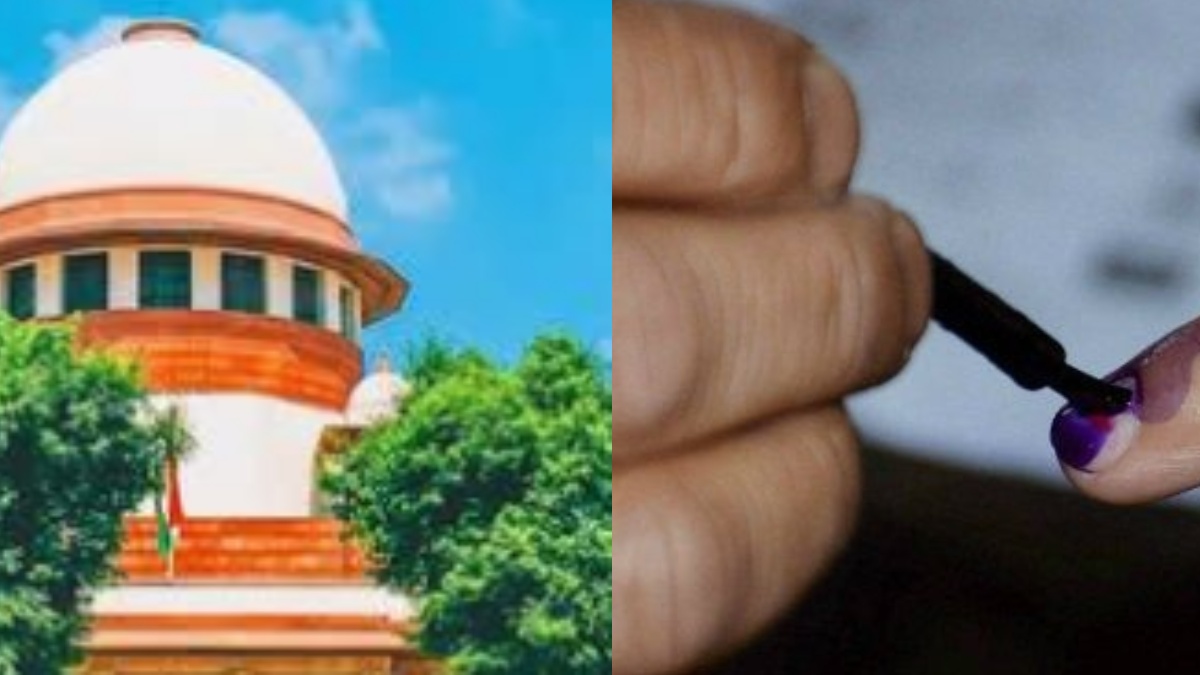
The petition claims that elections before the Special Intensive Revision is completed and verified would affect the accuracy of the electoral rolls. The petitioner claims that a full voter list revision is needed to ensure that eligible voters are included, duplicate entries are removed and electoral records accurately reflect the current voting population.
The Supreme Court granted the petition a hearing date and made it public as soon as possible. How the application will be considered in court is the legal and constitutional issue of the petition, in addition to the need for timely local elections as well as keeping accurate electoral rolls.
Bengaluru's civic elections are important because they will determine the makeup of the city's municipal administration (civic infrastructure, sanitation, road maintenance, public health, waste management, water supply coordination, parks, and urban planning). The elections are being closely watched by politicians, civic organizations and residents.
The controversy is centered on Special Intensive Revision (SIR) - the periodic updating of the electoral rolls. It has usually involved checking voter information and matching up duplicate or shifted voters with new voters and removing names of deceased individuals. Electoral roll revision is seen as a key element in free and fair elections.

If elections are held before the revision, some eligible voters may be excluded while inaccuracies are still on the voter lists, the petition says. They say that postponing the elections until the revision is completed would help in the electoral process and would help to enhance public faith in a vote.
However, the delay in holding civic elections in Bengaluru city is also administrative in nature. Bengaluru has witnessed a lot of governance and municipal governance vacuum in recent years in which elected municipal governance has been affected by the absence of elected municipal bodies but administrative tasks are now being handled in other ways. For many civic experts, the most immediate thing to do is to restore an elected municipal body at the earliest to address the city’s growing problems of traffic congestion, waste disposal, drainage and urban planning for the city’s infrastructure needs.
Lawyers say courts are more careful when dealing with elections. Judicial standards are often not only constitutional, but also practical in that electoral processes are carried out fairly and transparently, and judges usually have to strike a balance. The Supreme Court’s rapid decision to hear the matter doesn’t mean they are not convinced of the merits of the petition but rather because the issue is urgent.
The Election Commission and concerned authorities are expected to provide their replies on the status of the Special Intensive Revision and Bengaluru civic elections preparation. The court might conclude that the current electoral rolls meet legal requirements or that more changes have to be made before polling can take place.
Political parties will closely monitor the proceedings in the event of the outcome, as the election schedule and campaign strategy will be affected. Bengaluru is one of India's fastest-growing metropolitan cities and because of the rapid growth of a population and the changing demographics of the country, accurate voter registration is key for local elections.
Election observers say accurate electoral rolls are the basis for democratic participation. Such regular updates ensure that every eligible citizen has an opportunity to vote and reduce the chance of duplicate registrations or outdated records being used. At the same time, timely elections are a constitutional precondition for accountable and representative local governance.
Bengaluru residents are awaiting clarity on the election schedule as the Supreme Court is about to hear the matter. The court's decision regarding future elections is going to have an impact not only on the timing of the civic polls but also on the electoral roll revision process in future local body elections.
As the legal proceedings go on, all stakeholders including election authorities, political parties, and civic groups would be closely following the case. The judgment could be a key factor in balancing electoral integrity and the constitutional duty of holding democratic local body elections within a reasonable time.