The Tamil Nadu Assembly has passed a resolution calling on the Union government to scrap the uniform NEET system for undergraduate medical admissions and revive one of the state’s longstanding political demands over the national medical entrance examination.
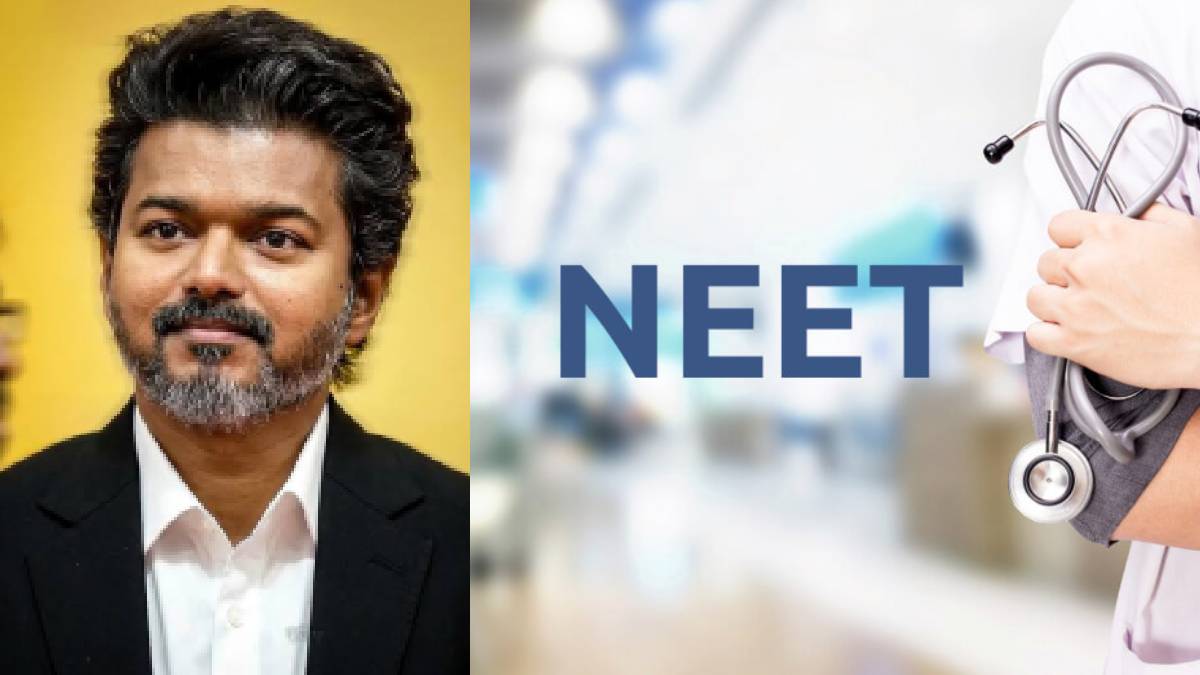
The resolution, passed by the Vijay-led Tamil Nadu government, is for a change in the current admissions system and would restore a model in which undergraduate medical admissions in the state would be primarily based on Class 12 marks.
The state government argues that the common entrance examination such as NEET puts students from economically weaker, rural and socially disadvantaged backgrounds at a disadvantage. With the help of the Tamil Nadu government, students who have access to expensive coaching and specialised preparation facilities might have an edge over those who depend on their school education.
So the new resolution is to challenge the continuation of a uniform NEET-based admission system for medical college admissions in Tamil Nadu.
The NEET debate has been much more heated in Tamil Nadu, where political parties have repeatedly questioned whether the performance of students in one national entrance examination is a good representation of the students studying under different educational and socio-economic circumstances.
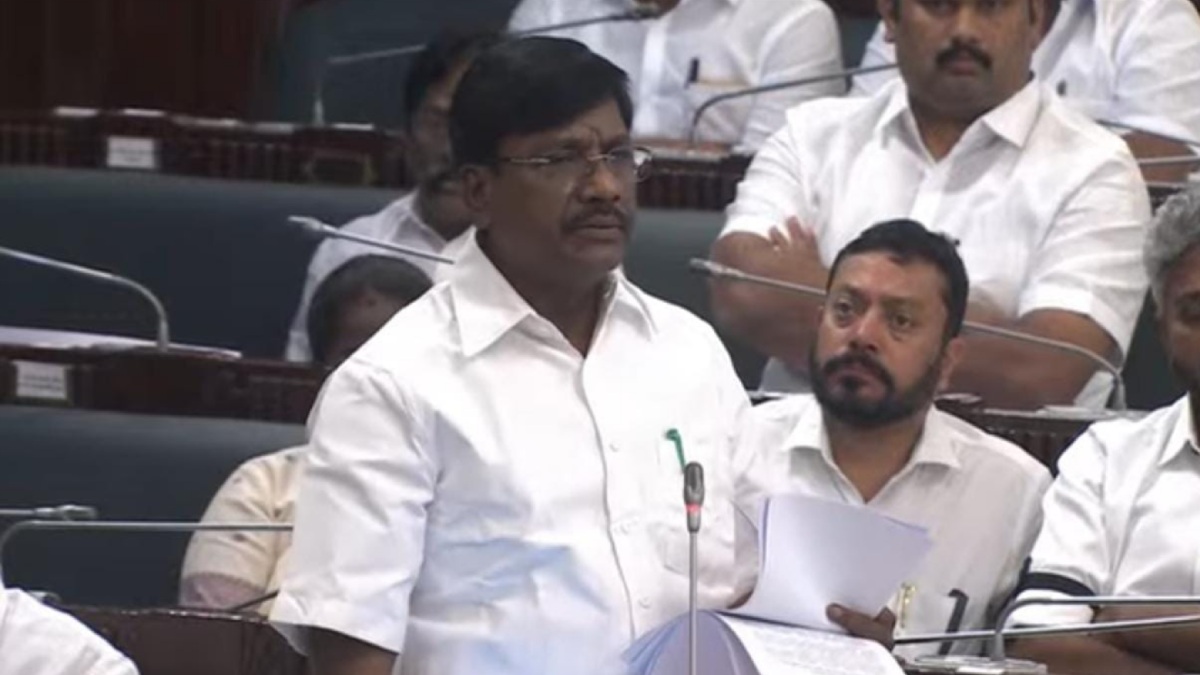
State supporters say Class 12 board examination marks provide a broader picture of students’ academic performance over a long period of time and not in a single competitive examination.
The Tamil Nadu government also added that rural students and students from less privileged communities will have more difficulty in getting private coaching for NEET. Those with rich families can access coaching programmes, study materials and multiple attempts at preparation, while poorer students may not have access to the same resources.
The resolution thus frames the issue as social justice and equal access to medical education.
But NEET supporters have argued that a common national entrance examination provides a standardised and transparent way for determining students to receive medical education. A uniform examination would establish a common benchmark for applicants from different states and educational boards.
The debate then goes beyond Tamil Nadu’s immediate admissions policy and is about how medical education should be regulated across India.
The new Assembly resolution also brings back the demand that has been pushed for more than a decade by the government and political parties in Tamil Nadu. The DMK government had repeatedly sought an exemption from NEET for the state and said that the examination was disproportionately targeting students from the poor.
Tamil Nadu has already enacted legislation to be exempted from the national exam, but talks with the state and the Union government have continued for years.
The Vijay-led government has taken the issue further to the mainstream political arena.
But the Assembly resolution does not abolish NEET in India. Because medical education and admission are governed by a national regulatory framework, any fundamental change to the common entrance system would need action at the Union level and must be incorporated into the relevant legal and constitutional framework.
The Tamil Nadu government’s immediate task is to formally communicate its position to the Centre in order to seek changes in the system.
The resolution will probably renew the political debate between the state and the Union on the issue of national uniformity and education policies in the state.
The issue could also be of great interest to students and parents in Tamil Nadu who have closely watched the continuous debate on NEET and medical admissions.
For students aspiring to get into MBBS and other undergraduate medical education, the outcome of the political and legal debate will affect the admission process and will greatly impact admissions process. But until the change is made formal, NEET is still the national entrance for undergraduate medical admissions.
The Tamil Nadu Assembly resolution, however, does send a clear political message: the state wants more control over its medical admission process and thinks Class 12 performance should play the central role in determining access to medical education.
The state’s point is that medical education should be available to all students, regardless of their economic status or geographical location, and critics of the proposal will say a national standard is needed.
The next few months could see further discussions between Chennai and New Delhi on the future of NEET in Tamil Nadu.
For now, the Assembly has revived one of Tamil Nadu’s most persistent education-policy demands: replacing the NEET-based system with Class 12 marks-based medical admissions in the state.