Chennai, Tamil Nadu: Tamil Nadu Higher Education Minister P. Viswanathan has supported the state government’s resolution to oppose NEET which is not necessary for Tamil Nadu as it should be abolished. His words come as the state’s political and public debate continues about NEET and the effect on students from poor and rural areas as well as rural poor students.
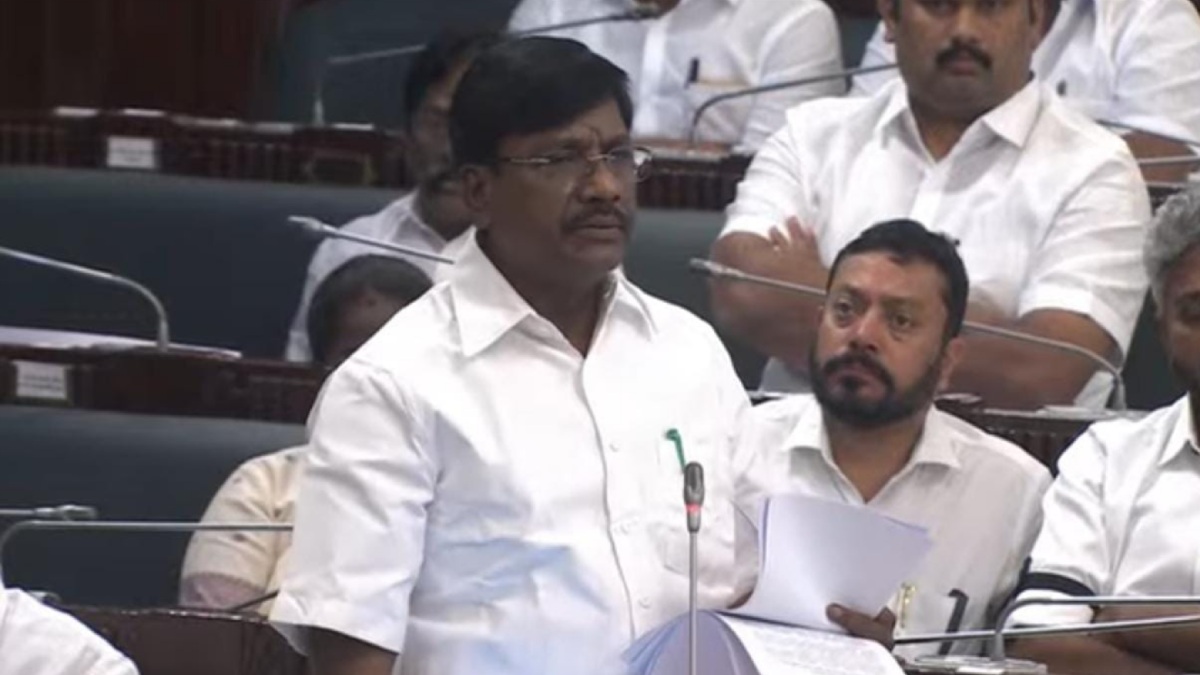
Viswanathan said the Tamil Nadu government’s stance on NEET had received full support from the Indian National Congress. The resolution was brought about because of the commitment of Chief Minister M.K. Stalin to students, he said, and the government wanted to make sure that students did not suffer humiliation or distress from the examination system.
The minister’s comments are in line with Tamil Nadu’s decades-long opposition to NEET. A single national entrance examination is not only the same for students but it can put additional pressure on students after studying with the state board curriculum, the state has repeatedly argued. Support for Tamil Nadu’s position has also been that medical admissions must be given into account the current education system and social justice policies in the state.
Viswanathan drew the link between the government’s position and Tamil Nadu’s history of expanding access to education. He mentioned former Chief Minister K. Kamaraj and his emphasis on education in every segment of society. The minister recalled Kamaraj’s stated vision of no Tamilian should be left without basic education.
By drawing on Kamaraj’s legacy, Viswanathan wanted to put the present NEET debate within the larger history of Tamil Nadu’s educational policy. There is a long history of the state’s focus on expanding access to education and higher education to students from disadvantaged communities and the state has been trying to give a better education to people in these areas.
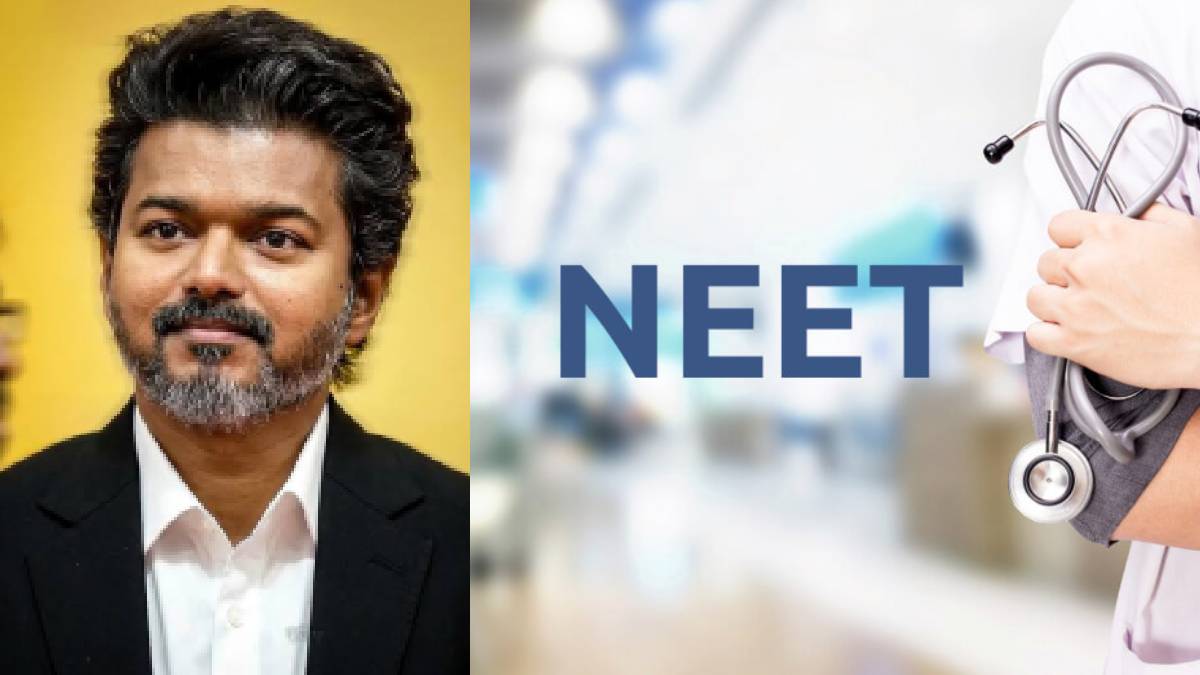
The minister also referred to Congress leader Rahul Gandhi and his opposition to NEET, saying Gandhi had been actively involved in protests against the examination. Viswanathan’s comments come at the same time as political discussions of the Congress and the ruling Dravida Munnetra Kazhagam (DMK), allies in Tamil Nadu and at the national level.
His comments also touched on the political relationship between the two parties. Viswanathan pointed out that criticism of Congress participation reflected differences over the party’s involvement in the alliance. Such comments are part of the political debate on DMK and Congress relations and should be taken in the political context.
A lot of Viswanathan’s criticism was on the basis of alleged irregularities in competitive examinations. It was reported NEET question paper leaks and other alleged irregularities and he claimed these incidents have compromised confidence in the examination process. His concern included the inability of the government to conduct examinations properly even though digitalisation is a focus of the government for exam-goers.
In recent years, allegations of examination irregularities have become a major political issue in India. Political parties have used reported paper leaks and other examination-related controversies to demand stronger safeguards, greater transparency and accountability in the conduct of competitive examinations. But rather than judge the situation and cases as if they were facts as a political matter, the allegations and cases need to be established by investigations and legal proceedings as well as through the law and investigation and the media and by making statements of all kinds in terms of their political claims.
For Tamil Nadu, the NEET issue is particularly important because they have been seeking exemption from the national medical entrance exam for years. NEET is a very big problem that government and political parties in Tamil Nadu have always argued that NEET is unfair for students who are unable to afford to pay for private coaching.
NEET supporters have argued that the common entrance examination will also create a clear and uniform admission process for medical colleges across the country. The purpose of the examination is to set a reference for students in the undergraduate medical admissions process and reduce the barriers between state-level entrance exams.
The conflict, however, is part of a larger debate on whether medical admissions should be based on a national standardised examination or states should have more flexibility in deciding admission criteria.
Tamil Nadu has also highlighted the importance of the state board curriculum in discussions about NEET. Critics of the examination in the state have argued that students following the state syllabus may need additional preparation to compete with candidates who have access to specialised coaching based on the NEET syllabus and examination pattern.
This has led to a more general discussion on the role of private coaching in competitive examinations. NEET is designed as a common examination, but differences in access to coaching, study resources and educational infrastructure still occupy a significant part of the larger discussion about equality of opportunity.
Viswanathan's recent statement is in line with the Tamil Nadu government’s position that NEET should not determine medical admissions in the state. He strongly argued that the examination is not necessary for Tamil Nadu and should be abolished.
Politics in medical admissions is likely to remain politically relevant as students, parents, educators and political parties continue to grapple with the future. For medical entrance examiners in particular, uncertainty in policy changes can add more pressure, particularly when exemptions and the basis for other admission systems are still in question.
At the heart of the issue is the question of how medical education can be competitive while also affording students from different socioeconomic and educational backgrounds a fair chance to pursue their interests. Tamil Nadu’s government has put NEET on the table in the context of social justice and easy access to education as they have come to the opposition.
So the latest comments made by Higher Education Minister P. Viswanathan are another strong manifestation of the state government’s position. By connecting the NEET debate with Tamil Nadu’s educational history, political alliances and concerns over examination integrity, the minister has sought to underline the government’s argument that the existing system needs to be reconsidered.
The future of NEET in Tamil Nadu will be determined not only by political resolutions but also by constitutional, legal and policy decisions. Once such a change is made in practice, students will have to comply with the rules for admission and examination guidelines for medical education as they are formally adopted.
For now, Tamil Nadu’s demand is clear: the state government wants NEET removed from the medical admission process in the state. Political issues of education, social justice and equal opportunity will continue to be at the heart of the examination.