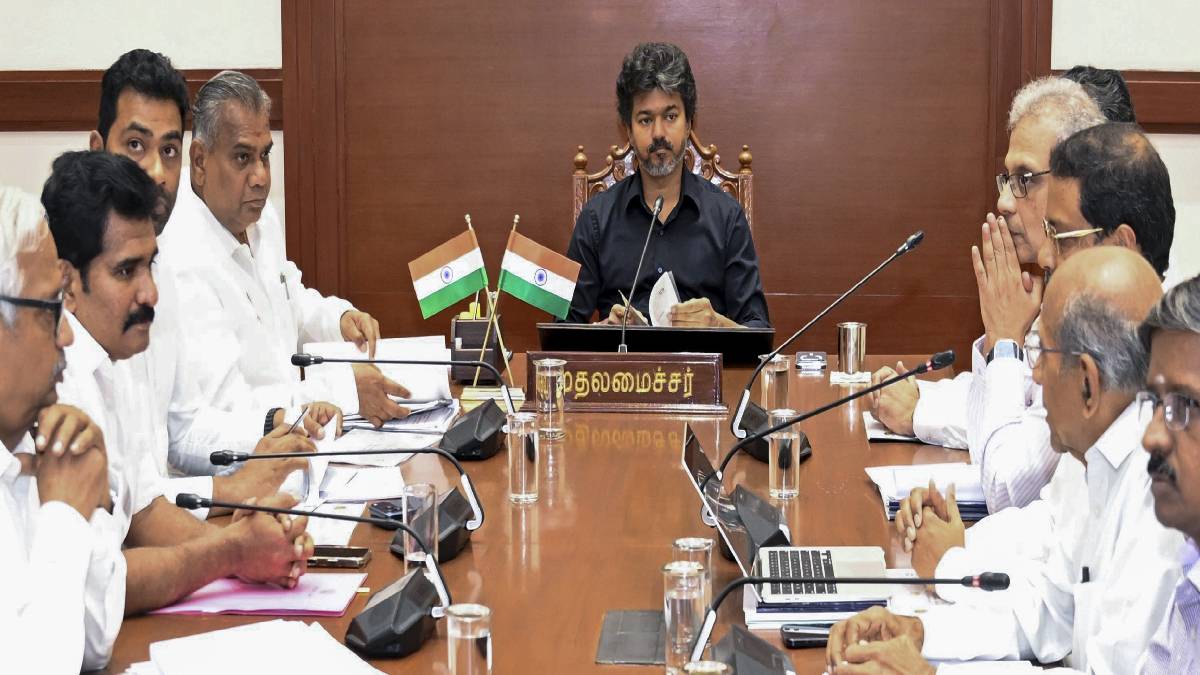
The suggestion of Tamil Nadu Chief Minister C. Joseph Vijay to hold bilateral talks with Karnataka to try and resolve the decades-old Cauvery river water-sharing dispute has elicited a strong reaction from farmers’ organisations and political parties in Tamil Nadu.
The Cauvery issue is one of the most sensitive inter-state disputes that Tamil Nadu and Karnataka still wrestle with over the release and distribution of river water. This has been heard by tribunals and the Supreme Court, but the implementation, even during years of bad rainfall, is still disputed.
STORY | Tamil Nadu CM’s proposal for talks with Karnataka over Cauvery issue draws backlash from farmers, parties
— Press Trust of India (@PTI_News) July 25, 2026
Tamil Nadu Chief Minister C Joseph Vijay has proposed bilateral talks with his Karnataka counterpart to seek an amicable solution to the long-standing Cauvery river… pic.twitter.com/49GfpweUj9
To reduce tension and encourage dialogue, Chief Minister Vijay suggested directly to his Karnataka counterpart to talk about a mutually acceptable solution. It was a move to enhance relations between two neighboring states and address the concerns of farmers dependent on Cauvery waters.
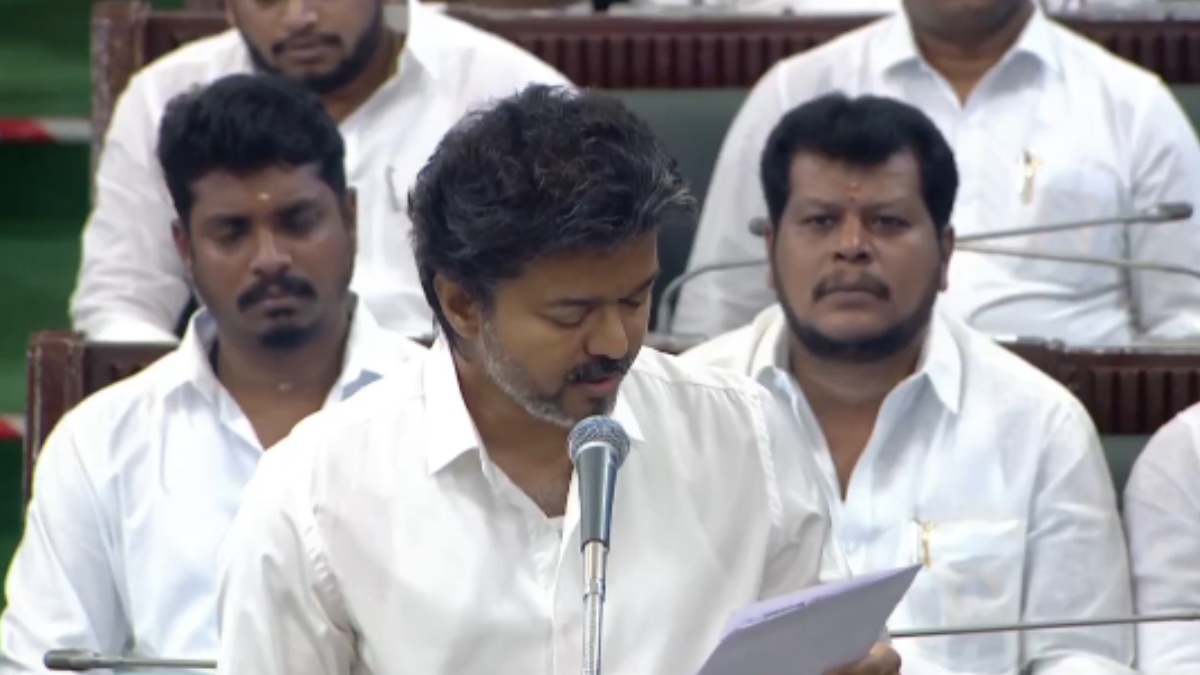
The proposal has, however, been opposed by several Tamil Nadu politicians.
Farmers' organisations are worried that bilateral talks would erode the legal protections of Tamil Nadu that are already established from Supreme Court rulings and the Cauvery Water Management Authority. Farmers’ groups argued that the state should concentrate on enforcement of existing legal mechanisms rather than re-open old issues that have already been settled through judicial intervention.
Some political parties also questioned the timing and the purpose of the proposal. Opposition parties say Tamil Nadu's rights over Cauvery water should be protected through strict implementation, based on court orders and statutory provisions rather than fresh talks. Any deviation in the state’s legal position could harm farmers in the Cauvery delta, they warned.
But supporters of the Chief Minister’s proposal say that dialogue between the two states should not replace legal processes. They say that in times of water scarcity, dialogue between governments would help to resolve operational issues, minimize misunderstandings and help in cooperation.
The Cauvery River is an important water source for Tamil Nadu and Karnataka people. Farmers in delta districts in Tamil Nadu depend on early water releases to grow paddy and other crops, and Karnataka also depends on the river to supply irrigation and drinking water in several districts. This competing demand has always produced political friction, protests and litigation.
The Cauvery Water Management Authority still supervises the water sharing arrangements as directed by the courts. However, seasonal variations in rainfall and reservoir storage sometimes lead to disagreements about water releases, which remain politically and economically important.
Political observers say Chief Minister Vijay’s proposal is something of a strategy to integrate institutional mechanisms with political engagement. But whether such conversations can lead to any meaningful outcomes remains a big unknown, especially given the strong opposition from farmer groups and opposition parties.
As the debate continues, the Tamil Nadu government will be trying to explain the extent of the proposed talks and assure the public and lawmakers in the state that any talks with Karnataka would not diminish the state’s legal rights and farmers’ interests. The recent development is another example of the Cauvery conflict being a multi-stakeholder conflict whose legal and political issues and agricultural interests are closely linked.