The newly implemented Alcohol in Beverage (AIB) taxation policy in Karnataka is changing the liquor market by encouraging consumers to purchase beverages with lower alcohol content and increasing government revenue at the same time. Introduced on May 11, the new excise formula has already started to have a tangible impact on premium beer prices, dropping sharply, and beer sales are rapidly improving across the state.
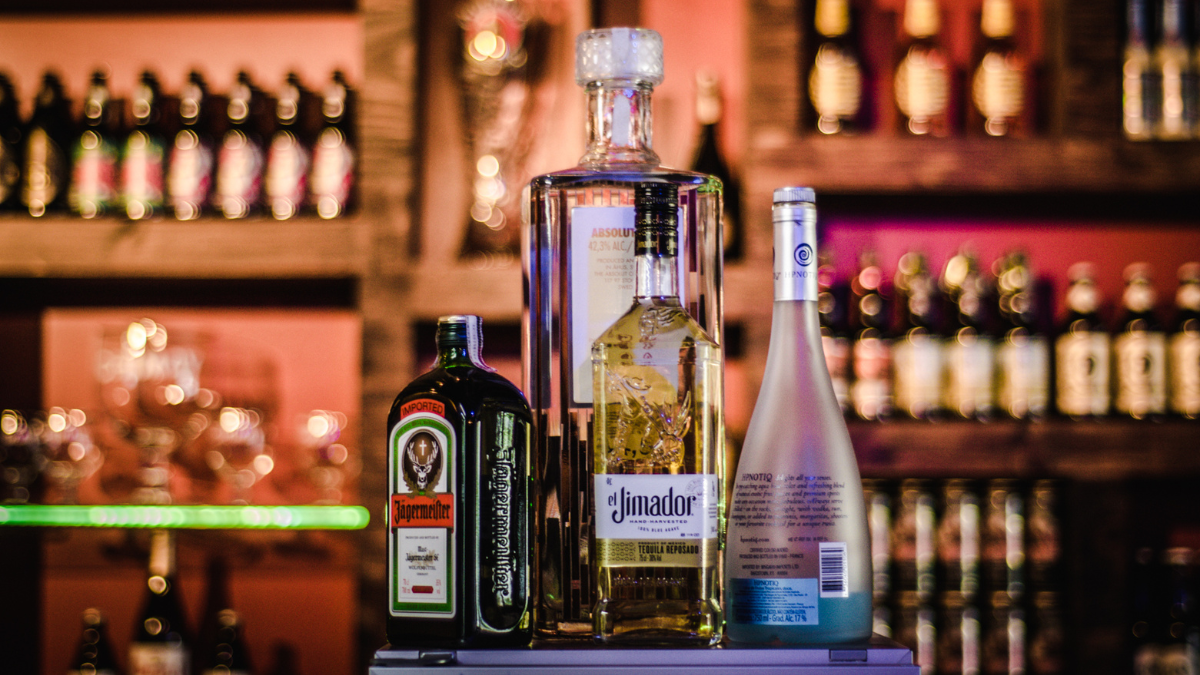
The AIB policy links taxation to the alcohol content of alcoholic beverages rather than having a uniform tax structure. Therefore, beverages containing less than 5 percent of alcohol, particularly premium lager beers, are much more affordable for consumers.
Premium beer prices have plummeted.
Among the biggest benefits of the policy is the dramatic drop in the prices of the most popular premium beers.
For example, United Breweries' Kingfisher Premium 330 ml bottle, which was available at a maximum retail price (MRP) of about ₹125, is now available at ₹60 under the new pricing structure.
The lower prices have stimulated strong demand for premium beer brands like Budweiser, Corona, Hoegaarden, and a few locally brewed lagers. Retail liquor outlets across Karnataka have seen rapid stock depletion, with estimates that 25–30 percent of beer inventory has been sold out in just a month and a half of the policy's implementation.
Government Revenue Registers Strong Growth
Although consumers are benefiting from lower beer prices, the Karnataka government has also seen a huge increase in excise collections.
Beer sales alone generated an additional ₹312.67 crore in revenue in the first quarter of the 2026–27 financial year (April–June).
Excise figures indicate:
- Beer revenue increased from ₹1,602.14 crore last year to ₹1,914.81 crore this year.
- That is a 19.52 percent increase year-on-year.
- Excise revenue, which was supported by more premium whisky sales as well, rose to ₹10,599.29 crore, a 14.39 percent increase from the previous year.
- State Targets ₹45,000 Crore Excise Revenue
The Karnataka Excise Department has set a target of ₹45,000 crore for revenue for the 2026–27 financial year.
As a result, this is the goal of several policy measures that have been introduced, including:
- Minimum Alcohol Content Norms: Indian Made Liquor (IML) manufacturers have been asked to maintain a minimum alcohol content of 40 percent, and vodka has been exempted and allowed to have 37.5 percent alcohol content, which is the industry standard.
- Online auction of liquor licences: To this end, the government will hold an online auction of 483 inactive CL-2A licences and 96 CL-9A licences by auctioning them online. These licences will be valid for 5 years from 2026 to 2031 and are expected to generate a lot of revenue.
- Encouraging Responsible Consumption
According to Ritesh Kumar Singh, Additional Chief Secretary (Finance), the objective of the AIB policy is to encourage consumers to opt for better quality beverages with lower alcohol content.
This would be good for public health in promoting moderate drinking habits. Consumers slowly transitioning away from stronger liquor to lower-alcohol beverages may be able to reduce alcohol-related health risks in the long run.
A Balancing Act Between Revenue and Public Health
Karnataka government’s AIB taxation experiment appears to have succeeded early on by balancing consumer affordability with higher tax collections. Lower prices have made premium beer available to consumers, but the government also has to ensure that increasing affordability does not lead to higher alcohol consumption.
As the policy develops, industry observers will continue to monitor its long-term implications on consumers’ behaviour, liquor sales, public health, and how much the state is making in revenue.