“All the cutlery out, utensils out, dispensers out.” That’s the mood that is now prevailing in parts of Maharashtra’s restaurant sector as Food and Drug Administration (FDA) Commissioner Tukaram Munde steps up inspections and enforcement.
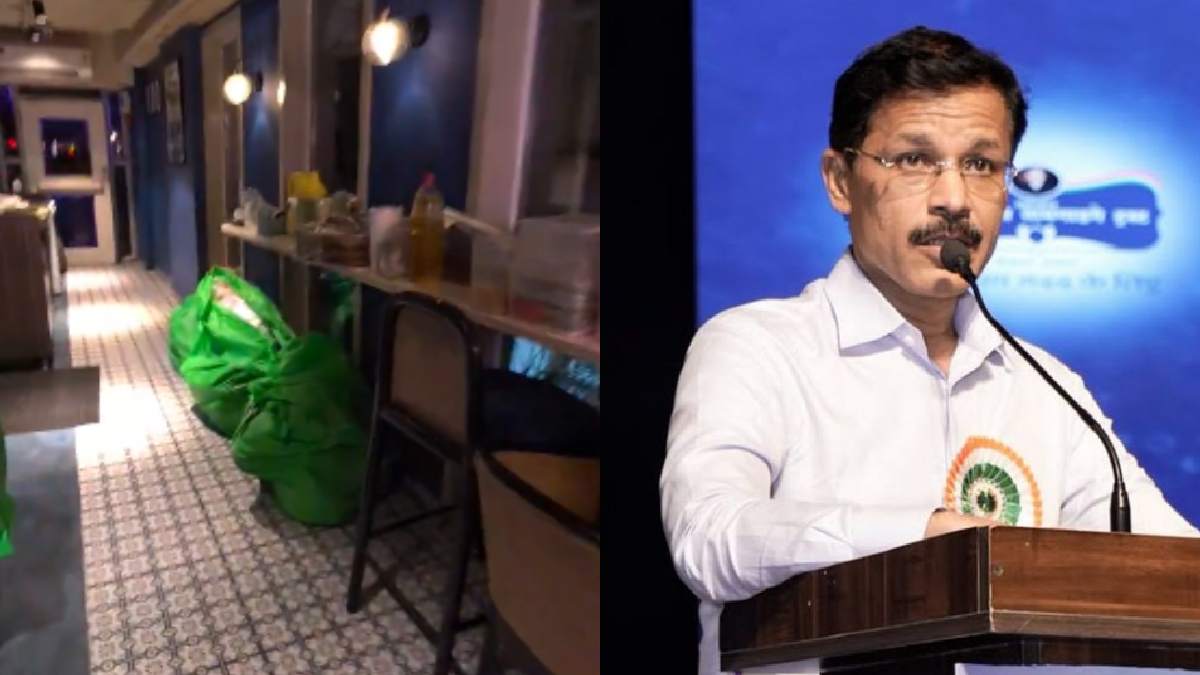
The social-media term that restaurants are shutting their kitchens around 11 p.m. because “deep cleaning is scheduled for 11:15” has quickly become a humorous way to describe the growing pressure on eateries to keep their kitchens inspection-ready.
The 11:15 p.m. claim is circulating online, but it can’t be seen as social-media commentary but an official statewide order.
What is clear, however, is that Maharashtra’s food-safety enforcement has become considerably more visible under Munde. The FDA has launched a statewide campaign focusing on food storage, preparation, hygiene and handling practices across restaurants, hotels, cloud kitchens, canteens and other food businesses.
The campaign has already resulted in action against establishments violating food safety regulations. In Chhatrapati Sambhajinagar, for example, two restaurant licences were suspended after inspections were reported to have found non-edible colours and mouldy vegetables.
The FDA has also taken action against restaurants and food businesses for hygiene violations. There are problems like poor storage, pests, expired products and inadequate food-safety records, inspections have found.
All the cutlery out, utensils out, dispensers out. The restaurants are closing their kitchen at 11 cause ‘deep cleaning is scheduled for 11:15’, Tukaram Munde is doing god's work!!!! pic.twitter.com/XBO93uip50
— Kaafi Anmol (@kaafi_anmol) August 11, 2026
That has made the atmosphere in restaurant kitchens feel much different. Businesses that until recently thought of deep cleaning as a regular exercise are now more closely watched than ever about whether their places, equipment and food-handling practices are in compliance with regulations.
The enforcement efforts go beyond merely cleaning countertops. Food-service restaurants must be in compliance with raw and cooked food storage, food handlers’ personal hygiene, food-grade packaging, licensed suppliers, and other food-safety guidelines. They also have to provide potable drinking water for free.
Munde has said repeatedly that the FDA's mission is to ensure that citizens get safe food and medicines. He has also advised consumers to look for restaurant licences, cleanliness and food labels and not assume that a popular place will follow every safety requirement.
For many social-media users, the crackdown now has turned into a sign of an officer taking food safety seriously. On the Web, people have said inspections and the ways restaurants have changed their food preparation and cleaning practices have been very visible.
But these thoughts are individual reactions and shouldn’t be taken as evidence of every restaurant changing procedure.
The viral “deep cleaning at 11:15” joke may be exaggerated, but the larger message is simple: restaurants have a reason to keep their kitchens clean, organized and compliant— not only when customers are watching, but every day.
For consumers, that may actually be the best part of the Tukaram Munde effect: stronger enforcement may force food businesses to see hygiene as a basic responsibility rather than an occasional exercise before an inspection.