The introduction of Merchant Discount Rate (MDR) on selected UPI transactions starting October 15 has raised concerns about whether India's popular digital payment system is now chargeable. The new UPI framework will only impact a small portion of merchant transactions and is a way to monetize the rapidly growing UPI system, Mohandas Pai, a chartered accountant, said.
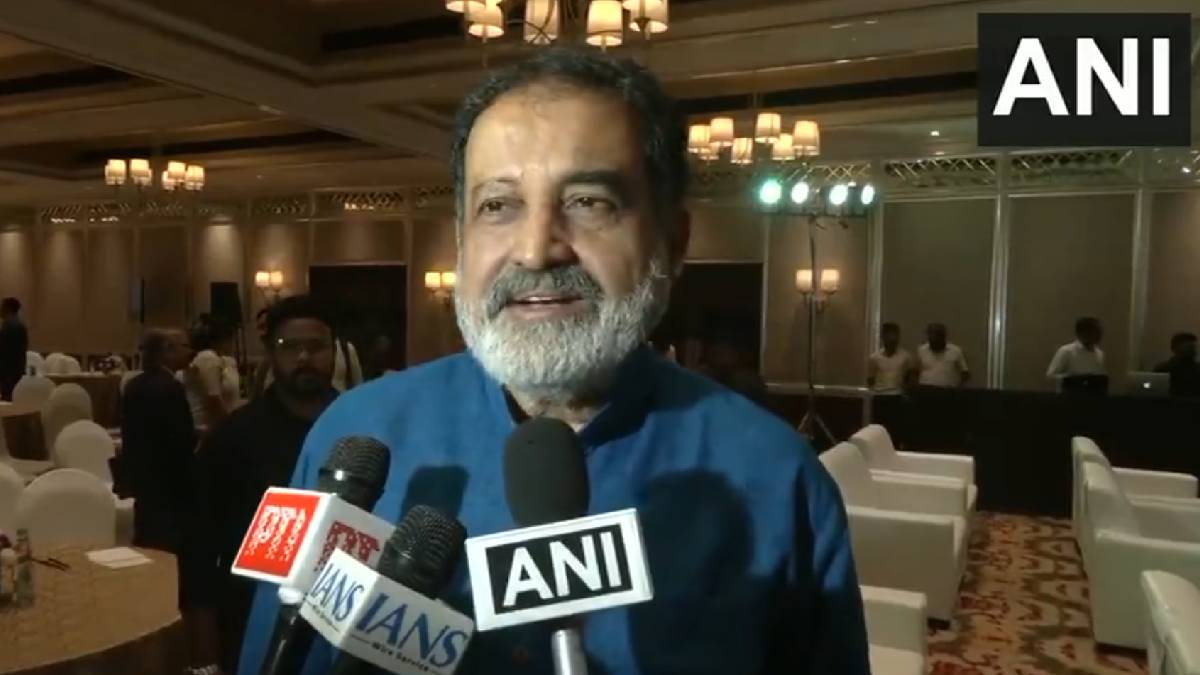
Pai said the government estimates that 96% of UPI person-to-merchant transactions will not be affected under the new MDR. The Finance Ministry has also said that person-to-person transactions will continue to be free while merchant payments up to ₹2,000 and transactions covered under the zero-MDR framework for eligible small merchants will still be free.
Pai said the distinction between MDR and a tax is very important. MDR, or Merchant Discount Rate, is a payment made within the payment ecosystem to banks and payment service providers to receive merchant transactions. The Finance Ministry has also stated that MDR is neither a tax nor a charge collected by the government or NPCI. The revenue is distributed among participants in the payments ecosystem.
In the new framework, specified person-to-merchant UPI transactions above ₹2,000 will generally attract an MDR of 0.4%, where the standard charge is capped at ₹300 per transaction. There are different categories, like essential services, for different rates. The new rules will take effect on October 15, 2026.
#WATCH | Bengaluru, Karnataka: On UPI MDR transaction charges, Chartered Accountant Mohandas Pai says, "The recent decision regarding MDR and UPI is a welcome move. It is important to look at the data: 96% of UPI transactions will not be affected by MDR at all. Because roughly… pic.twitter.com/p6HQrbtBCQ
— ANI (@ANI) September 16, 2026

Pai compared the proposed UPI MDR structure with the way credit-card payments work, where merchants pay processing charges to banks and payment networks. He argues that maintaining a nationwide real-time digital payments infrastructure involves significant technology, cybersecurity, and operational costs.
He also highlighted the dramatic growth in UPI transaction volumes. According to the Finance Ministry and industry data, UPI is now processing billions of transactions every month, and further investment in infrastructure and resilience has to be made. The new MDR framework has been proposed by the government as the basis for investment in infrastructure, innovation, cybersecurity, and customer service.
Pai argued that keeping a completely free merchant-payment ecosystem places the financial burden of infrastructure investment mainly on banks, fintech companies, and payment providers. With transaction volumes expected to continue growing, the payments ecosystem will need more capacity to handle increasing real-time transaction loads.
The new MDR framework does not mean that consumers will have to pay an additional fee every time they use UPI. Banks have been advised to ensure that merchants do not pass the MDR on to customers, while UPI application providers have also been barred from imposing platform fees or hidden charges on UPI transactions.
For the consumer, person-to-person transfers are free regardless of the amount they transfer. Merchant payments of up to ₹2,000 will also not be covered under the MDR. The government estimates that about 96% of merchant transactions will be unaffected.
Pai's comments come as banks, fintech companies, and merchants prepare for the October 15 implementation. The policy will create a new revenue stream in the UPI ecosystem while remaining free to the majority of everyday people.
The debate around UPI MDR is now turning from whether UPI will become a paid service to how the new merchant-side charges will be distributed and whether the additional revenue will help strengthen India’s digital payments infrastructure. And the point of this for consumers is that the new MDR is not a blanket charge on UPI payments and does not apply to ordinary person-to-person transfers.