Guwahati: Upper Assam continues to face severe flooding after days of heavy rains and the deluge has disrupted rail and road links in many regions and has the authorities on high alert.
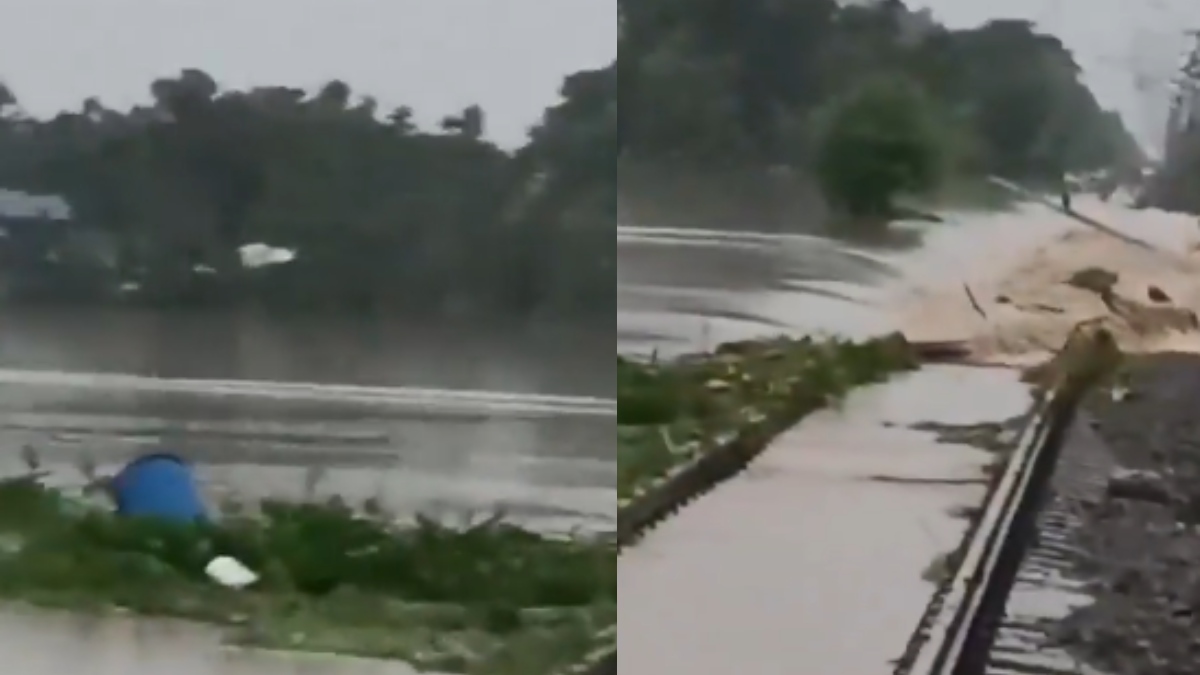
Rising water levels in rivers, roads and transport infrastructure have disrupted normal life, rescue and relief agencies monitor the situation in different regions and respond to it.
The continuous rainfall has led to widespread waterlogging in urban and rural areas and a number of low-lying areas are already inundated. Floodwater has inundated residential neighborhoods, agricultural fields and public infrastructure and many residents are forced to move to safer places.
The situation has been described as critical with weather conditions that are more than ever and emergency response teams struggling with weather conditions in the situation has been difficult for emergency teams to respond in the region, officials say.
Transportation has been affected the most by the flooding. In parts of Upper Assam, railway services have been disrupted due to waterlogging on the tracks and concerns over the safety of railway infrastructure. Railway officials have been watching track conditions closely and have taken precautionary measures, including speed limits in areas where conditions are more vulnerable, while assessing whether services will be restored safely.

Road connectivity has also been severely affected. Many highways, district roads, and rural roads have been inundated or destroyed by floodwater, making travel difficult for commuters and emergency responders. Traffic movement has been halted completely due to overflowing rivers, washed-out culverts or landslide danger in hilly areas.
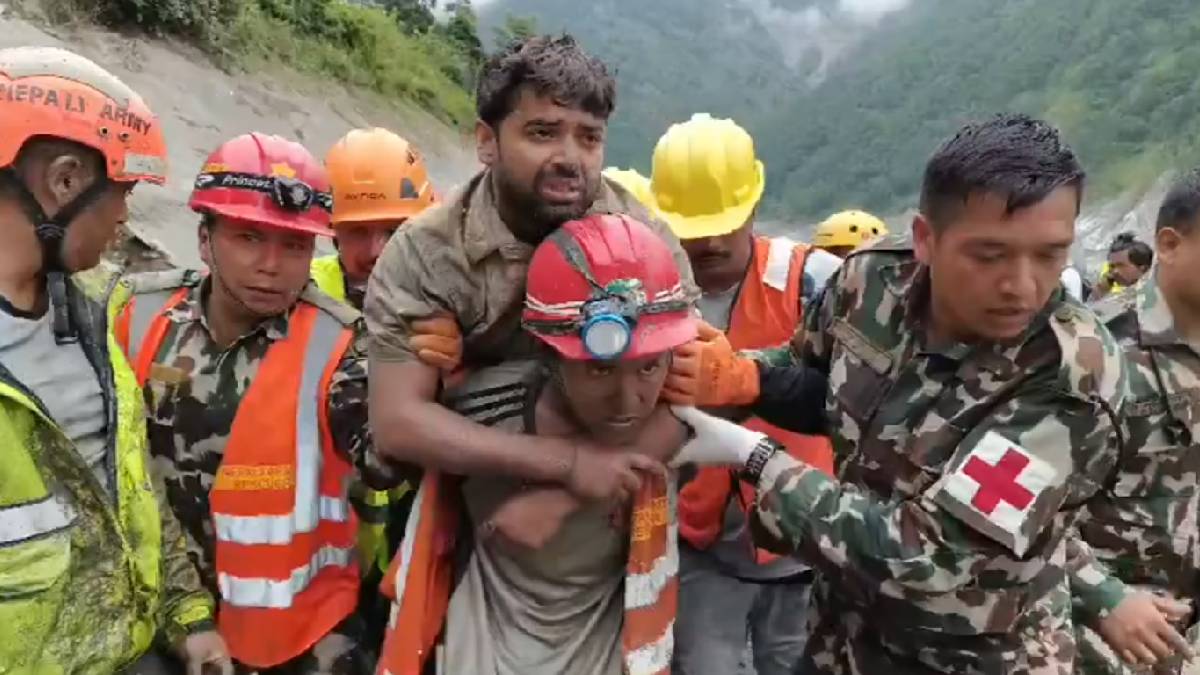
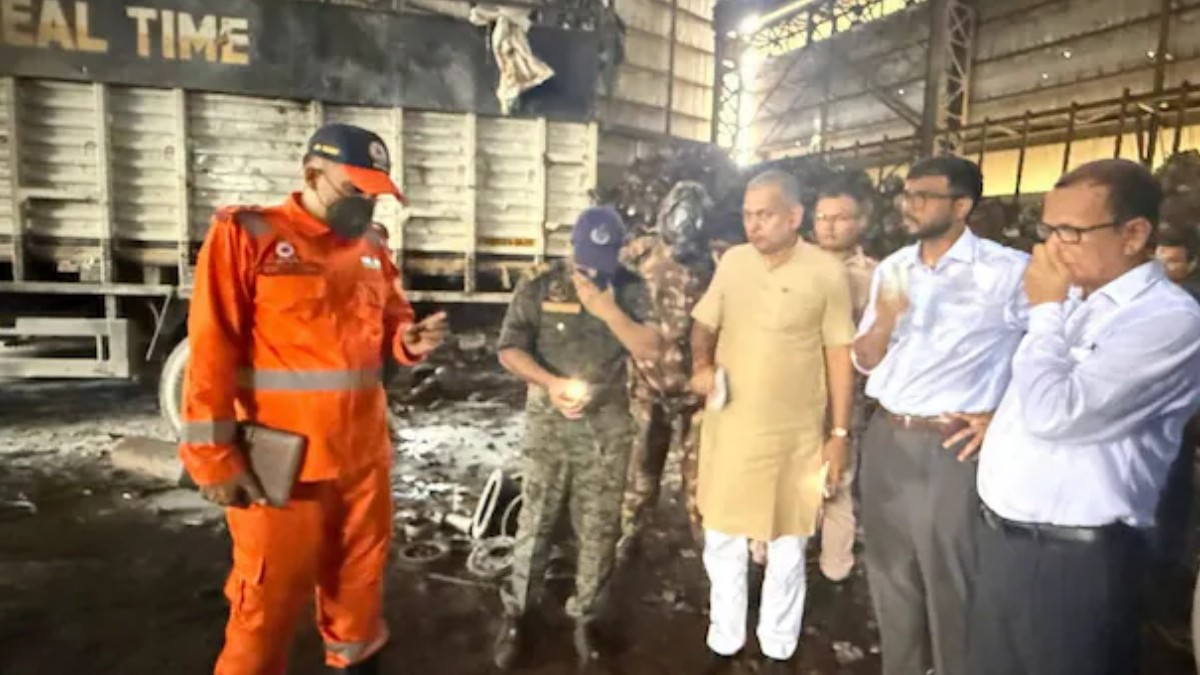
District administrations have activated emergency response mechanisms to deal with the crisis. Teams from the State Disaster Response Force (SDRF), National Disaster Response Force (NDRF), police, fire services and local volunteers have been deployed to assist stranded residents, conduct rescue operations and distribute relief materials where appropriate.
Local authorities have established temporary relief camps for families displaced by the floods to provide food, drinking water, medical services and basic needs for those affected. Health officials have also been in place to monitor relief camps and prevent outbreaks of waterborne diseases that may be caused by repeated flooding.
The heavy rain has also caused severe damage to agriculture, which still provides much of the livelihood for many families in Upper Assam. Paddy fields and other crops have been inundated, raising fears for crop losses and economic losses to farmers. Agricultural officials are expected to conduct damage assessments once floodwaters recede.
Educational institutions in some of the affected areas have been suspended or relocated due to waterlogging and transportation problems. Local authorities and educational institutions have advised that parents and students are required to follow up on the advice of local authorities and schools about the school.
Power supply and communication services have been intermittently disrupted in flood-affected areas. Utility agencies are working to restore essential services where conditions are suitable while protecting repair personnel working in inundated areas.
Meteorological authorities are closely monitoring weather conditions, with forecasts indicating the possibility of additional rainfall in parts of the region. Residents living near rivers, embankments and landslide-prone areas have been urged to remain vigilant and follow official advisories.
Disaster management officials have stressed community cooperation during the emergency. Local volunteers, civil society organizations, and community groups have joined rescue and relief efforts to help affected families, provide food and drinking water and assist vulnerable individuals in reaching safer places.
Flooding is a recurring problem in Assam during the southwest monsoon with overflowing rivers and intense rainfall frequently affecting transportation, agriculture, and public infrastructure. Experts have highlighted the need for continued investments in flood mitigation measures, improved drainage systems, river management, and climate-resilient infrastructure to reduce the long-term impact of such disasters.
Upper Assam: Severe flooding continues following persistent heavy rainfall disrupting rail and road connectivity across multiple areas. The situation remains critical.#AssamFloods #UpperAssam #Assam #NorthEast pic.twitter.com/qeNb7exmSv
— contentkikamii (@contentkikamii) July 20, 2026
As rescue operations continue, authorities remain focused on safeguarding lives and restoring essential services. Relief agencies are closely monitoring river levels and weather forecasts while coordinating with local administrations to respond quickly to emerging situations.
With rainfall expected to continue in parts of the state, officials have urged residents to stay informed through official weather updates and disaster management advisories. The coming days are expected to be crucial as Assam works to manage the ongoing flood situation and support thousands of people affected by the relentless monsoon rains.