The UP STF arrested a candidate for attempting to cheat in the Main Examination for Lower Subordinate Services conducted by the UP Subordinate Services Selection Commission (UPSSSC). The arrest was made after the candidate was found with a concealed Bluetooth device while appearing for the examination in Lucknow.
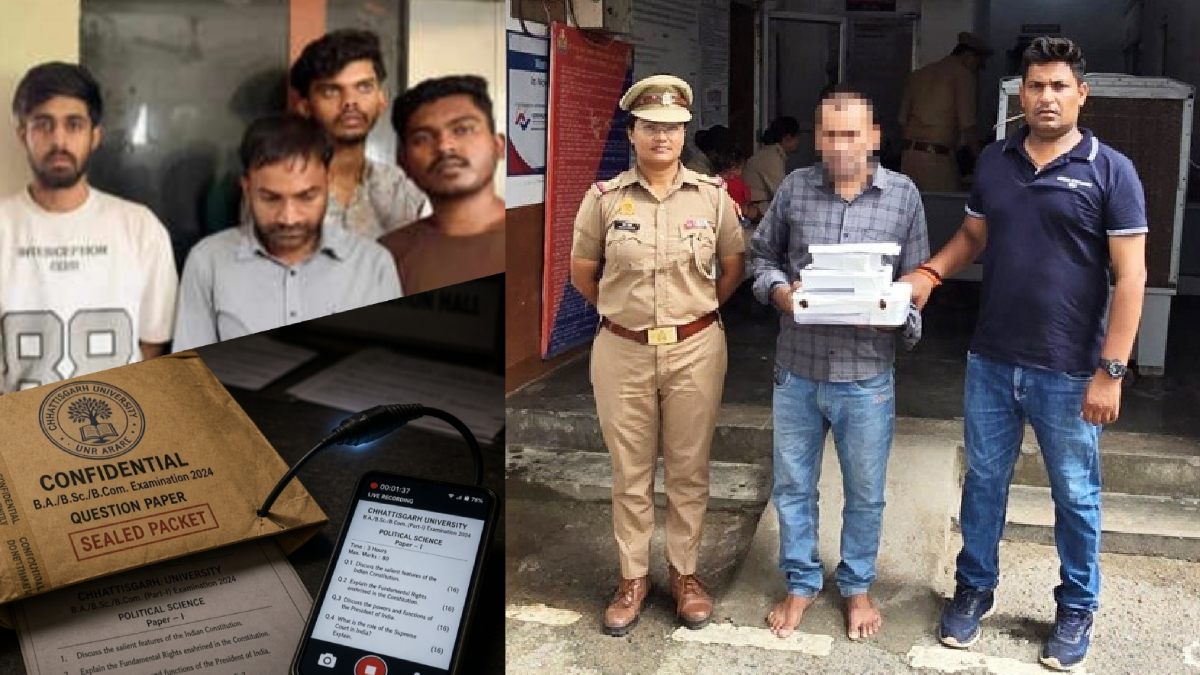
The accused is Brijesh Yadav. Yadav was appearing for the examination at Dayanand Kanya Inter College, located in the vicinity of Mahanagar police station in Lucknow. During the examination, officials detected the use of an electronic device which was hidden on his person.
The case has drawn attention because of a specially modified vest to cover the equipment. That device was supposed to allow the candidate to communicate with an outside person and get help while taking the examination, authorities said.
Alleged Rs 10 Lakh cheating Arrangement
During interrogation, Yadav told investigators that Ramesh Chandra Patel, a resident of Prayagraj, had arranged the equipment and helped in the cheating attempt. Patel, according to the UP STF, had given Yadav a special vest with a hidden pocket.
The pocket was supposedly designed to hide a Bluetooth device that could be used during the examination without being easily detected. The investigators claim that the deal was made for Rs 10 lakh, and Patel had assisted the candidate in getting answers through the communication setup.

If proven, the allegations point to a pre-planned attempt rather than a separate case of examination malpractice. Now authorities are looking at the way equipment was prepared, when it was delivered to the candidate as well as whether other people were involved in facilitating the alleged operation.
Suspect Allegedly Linked to Other Examination Cases
The UP STF also investigates allegations that Patel may have previously assisted other candidates in using similar Bluetooth-based methods to cheat in examinations. The current case is connected to a larger network involved in examination malpractice, officials said.
After Yadav’s arrest, an STF team has been deployed to search for Patel. Investigators are also questioning whether additional candidates, intermediaries, or other people played a role in the alleged arrangement.
That means the investigation might expand well beyond the arrest of the candidate. Communications records, electronic equipment, and other evidence that might help to establish the alleged links between the people involved are now to be examined.
Focus on Concealed Electronic Devices
The incident once again highlights the difficulty that examination authorities face when trying to prevent the use of concealed electronic devices during competitive examinations. Bluetooth-enabled devices, miniature communication devices, and special clothing will present a challenge to detect such devices when candidates attempt to hide them.
Examination bodies have strengthened security measures like frisking, restrictions on electronic items, and more surveillance of candidates. But allegations of sophisticated devices indicate still some need to be enhanced in screening and surveillance.
The UP STF is now investigating the source of the modified vest and the electronic equipment allegedly used in the examination. Investigators are also looking into whether the same method was used in other examinations and whether a wider network was involved.
So the arrest of Brijesh Yadav will likely become the primary point of action in the investigation. The claims are being investigated and a legal probe is underway, but authorities are still trying to untangle the chain of events of the alleged cheating.
More arrests could follow if investigators find evidence linking other individuals to the alleged operation. And the case also underlines the need for enforcement of rigid examination procedures so a level playing field for recruitment tests can be maintained.