As discussion on examination reforms continues across the country, IIT Madras Director V. Kamakoti (who is also a member of the high-powered task force on examination reforms) has stressed the importance of technology in creating a transparent, secure and leak-free public examination system.
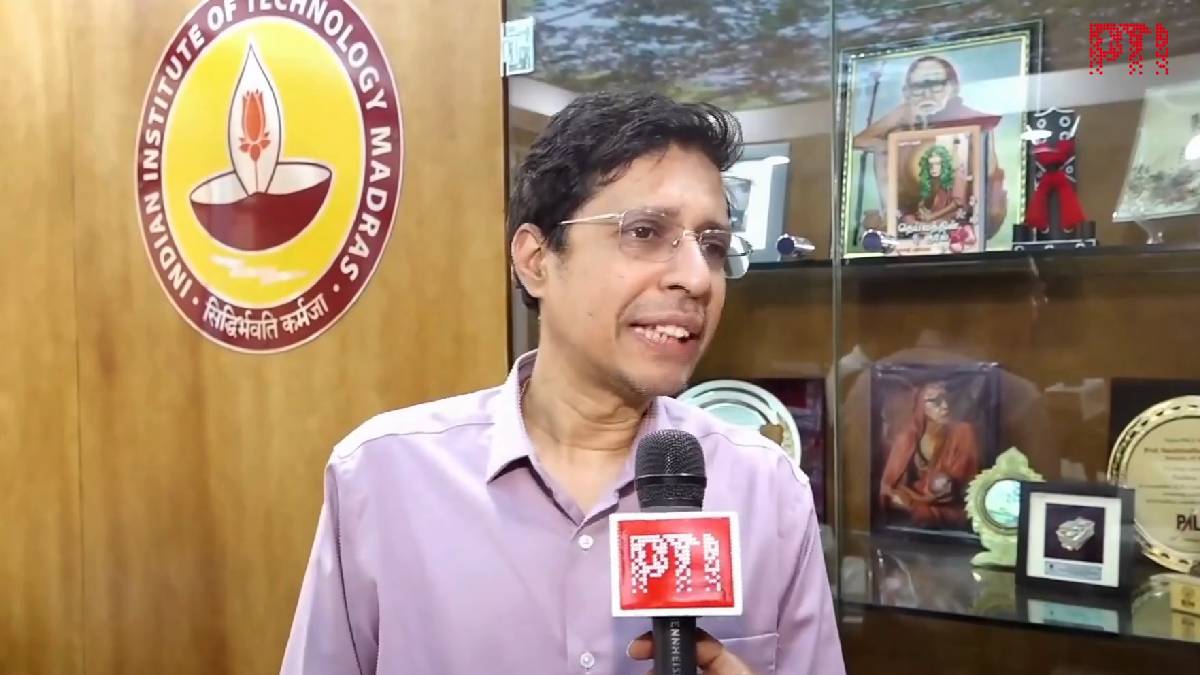
Kamakoti said, while question paper leaks have been reported over time, they should not overshadow the success of several national-level examinations.
VIDEO | Chennai: On examination reforms and technology for transparent and leak-proof exams, IIT Madras Director and member of the high-powered task force, V. Kamakoti, says, “Public examinations have been conducted for several decades. While there have been unfortunate paper… pic.twitter.com/djeasVHwFy
— Press Trust of India (@PTI_News) July 27, 2026
Public examinations have been conducted for decades, and in the past few decades there have been some paper leaks, but many have been successful. JEE Main, JEE Advanced, GATE, and all the other large-scale examinations were well done this year. We need a leak-proof system and transparent examination method. The number of students appearing for public exams has increased dramatically in the last four decades. In other words, technological intervention has become very important.

Kamakoti said that India’s examination ecosystem has grown considerably in recent years, with millions of students appearing for competitive entrance tests and recruitment examinations annually. And modern technology would have to be used to run such an examination system efficiently, he said.
According to him, the successful conduct of examinations such as JEE Main, JEE Advanced, and GATE this year shows that large-scale assessments can be carried out with appropriate planning, secure systems and advanced technology.
He said the goal is to create an examination framework that minimizes the risk of question paper leaks while ensuring complete transparency at every level of the process—from paper preparation and encryption to distribution, candidate verification, and evaluation.
The IIT Madras Director highlighted that technological intervention has become more necessary as the number of examination candidates has multiplied in the last four decades. Digital tools, secure data management systems, artificial intelligence-based monitoring, biometric verification, and encrypted question paper distribution are among the technologies being explored to strengthen examination security.
His comments come at a time when the country is in a heated debate over examination integrity and reforms after some examinations were subject to question paper leaks. The issue has also made its way into parliament in recent days, with both government and Opposition talking about how to improve the public examination system.
The Centre has identified legislative and administrative changes as important to stop examination malpractice and to protect the interests of students. There are also legal measures, but technological innovation will be needed in the future to prevent such errors.
Education experts say that digital infrastructure in conjunction with modern digital technologies can greatly reduce the vulnerability inherent in the traditional examination system. Secure online systems, real-time monitoring and automated audit trails can make the process transparent and raise public trust in examinations.
Kamakoti’s observations are consistent with the growing consensus among academic leaders that technology must complement policy reforms to maintain the credibility of India’s examination system. With a powerful task force working on future reforms to strengthen a stronger system of examinations, the recommendations will help to make a system of exams more robust and transparent so that students feel part of it.
With millions of aspirants dependent on competitive examinations for higher education and job opportunities, all parties agree that improving the security of examinations through innovation and institutional reforms will be the national priority.