India has entered a new stage in its space journey with the successful orbital launch of Skyroot Aerospace’s Vikram-I, the first time an Indian private company has successfully launched a rocket into orbit from Indian soil. The mission took off from Satish Dhawan Space Centre in Sriharikota on 18 July 2026 at 12:05:30 PM.
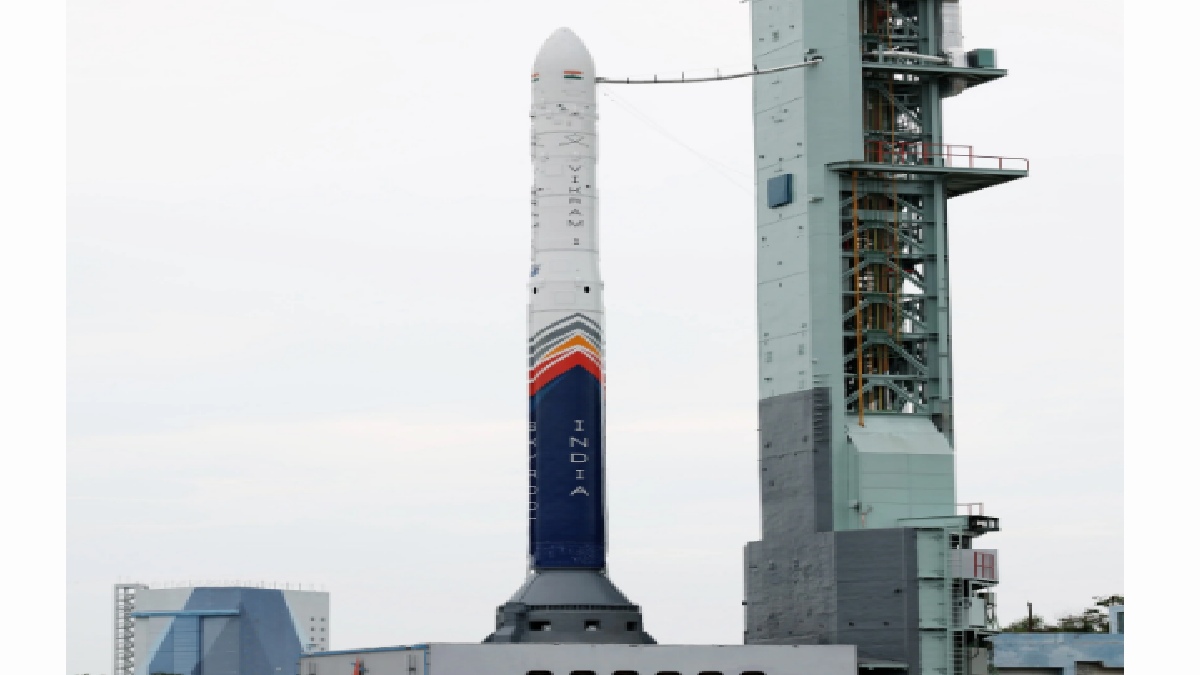
The mission is a milestone for India's expanding private space sector. Skyroot Aerospace, a Hyderabad-based company, developed Vikram-I as a small-satellite launch vehicle based on the experience achieved with the Vikram-S suborbital mission.
ISRO described the successful launch as an important achievement for the Indian space programme and also said that Skyroot became the first private company to successfully launch to orbit from Indian soil.
Vikram-I Launch is a milestone in Private-Sector History.
Vikram-I is a four-stage rocket with three solid-propellant stages and a liquid-propellant upper stage. The vehicle is designed for the growing small-satellite launch market, and it has dedicated access to Low Earth Orbit (LEO). Skyroot describes Vikram-I as an on-demand launch vehicle capable of carrying payloads of up to 350 kg to LEO.
The successful orbital mission also shows how India's space ecosystem has expanded beyond the conventional government-led space launch. The space-sector reforms in 2020 in the country opened up opportunities for private companies to get involved. ISRO and IN-SPACe have since supported the private-sector missions with infrastructure, technical assistance, and regulatory help.
For Vikram-I, this cooperation included access to ISRO facilities at Satish Dhawan Space Centre. ISRO said facilities were used for solid-motor testing and preparation, and the organisation also supported vehicle integration, material handling, trajectory analysis, and launch operations. IN-SPACe was involved in mission-readiness reviews, technical consultation, and launch clearances.
From Vikram-S To Vikram-I
The journey of Skyroot towards an orbital rocket started with Vikram-S, which successfully completed a suborbital test flight from Sriharikota on November 18, 2022. The mission, named Prarambh, was the first successful launch of a rocket developed by a private Indian company. Vikram-S reached an altitude of around 90 km and carried three payloads.
The previous mission helped Skyroot validate several technologies needed to support its orbital rocket programme, including solid propulsion, carbon-composite structures, avionics, and telemetry. The company then moved towards the larger Vikram-I vehicle.
The development programme was also supported by the testing infrastructure from ISRO. In August 2025, the agency successfully conducted the first static test of Vikram-I's KALAM 1200 first-stage motor at Sriharikota. ISRO referred to the test as an important step in the development and realisation of the launch vehicle.
What The Vikram-I Mission Means for India?
The successful launch is an important step in growing India’s space business as it strives to become a larger player in the world commercial space market. There is demand for small satellites, satellite constellations, and specialized orbital missions for launch companies that are very flexible and specialized.
Skyroot says Vikram-I is designed for small satellite operators and offers rideshare and dedicated launch options. The company says it has a carbon-composite structure, solid rocket boosters, and a restartable liquid upper stage as key features of the vehicle.
The mission also demonstrates the increasing role of Indian startups in the country’s space ambitions. With private companies developing launch vehicles, satellites, and other space technologies, India’s commercial space ecosystem is moving beyond being primarily dependent on government organisations.
A New Chapter For India’s Commercial Space Sector.
The Vikram-I mission is built on the foundation laid by India’s space sector reforms and a growing partnership between the government and private companies. ISRO said the successful launch opens opportunities for such ventures and expands the possibility for Indian companies to participate in global commercial space activities.
For Skyroot Aerospace, this achievement marks a leap from an early demonstration of suborbital technology in 2022 to a successful orbital launch in 2026. For India's wider space industry, it is another step in building a more diverse ecosystem for private companies to build, manufacture, and operate launch vehicles for commercial customers.
As demand for affordable and flexible access to orbit continues to rise, Vikram-I’s successful mission could be a great guide for India’s emerging private launch industry. The accomplishment in Sriharikota not only sets the stage for government-managed space missions but also serves as a key launch point for the growing commercial space business in India.