In Karnataka, beer is the go-to drink for the blazing months of summer. Chilled beer has boomed since March, which saw a significant increase in its sales and a great turnaround in state excise revenue owing to the urban and rural demand behind it.
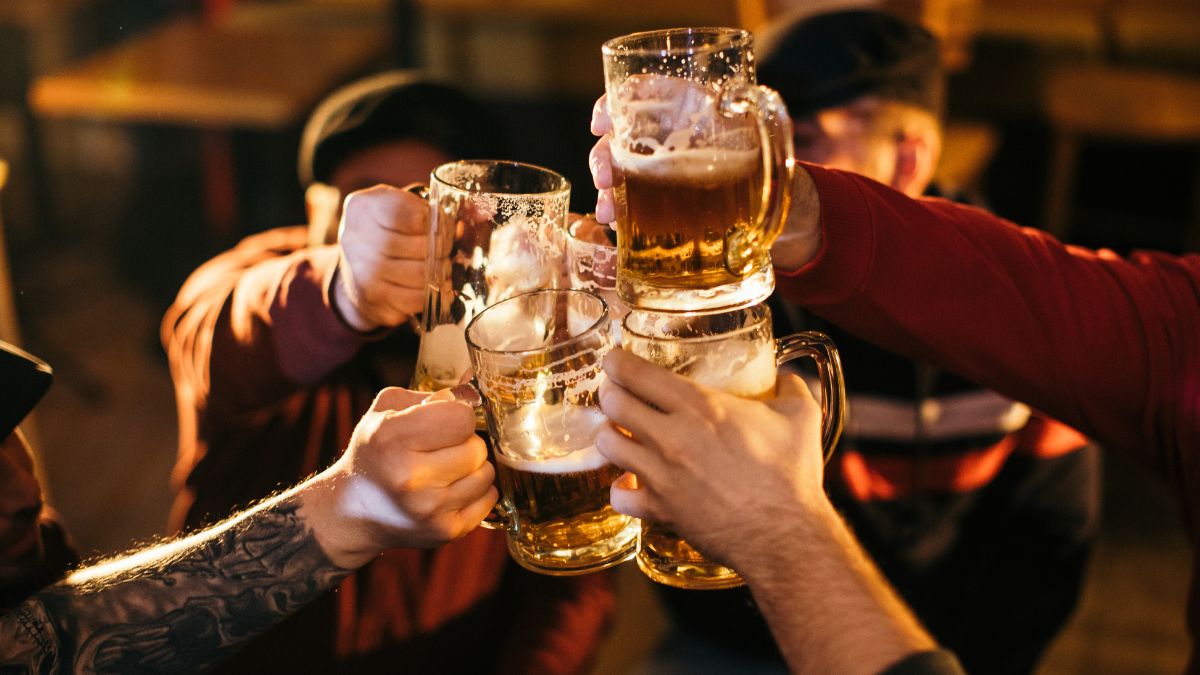
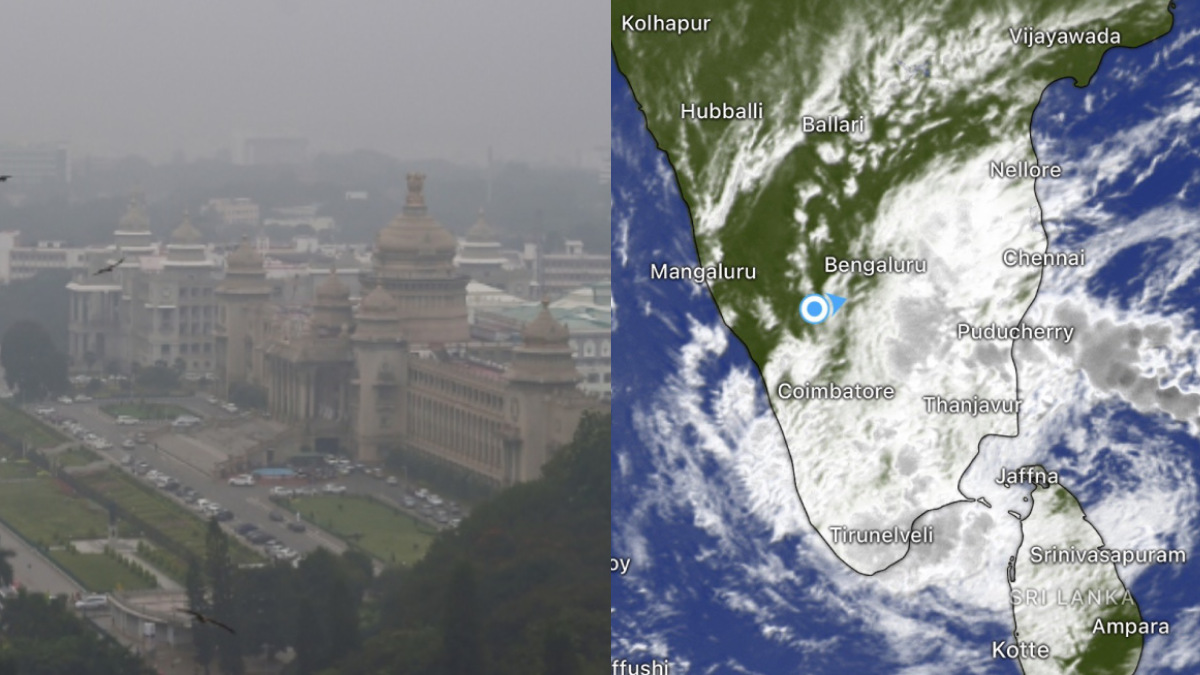
Karnataka sales have surged by nearly 30% in the past 12 months, compared with the same time last year, government data showed. The growing mercury levels since March are affecting the consumption behaviours of an increasing number of people by helping to explain their fondness for cold drinks, especially beer, to temper thirst.
From April 1 to April 18, 2026, 28.35 lakh cases of beer were sold, and 21.77 lakh cases were sold during the same period of 2025. This is an increase of 6.58 lakh cases; demand has also been on the upswing, and prices have increased. That increase is even larger when it comes to revenue.
During April 1 to April 18, beer sales amounted to ₹568.59 crore, while last year at the same time, it was ₹463.42 crore. This was an impressive jump of ₹105.17 crore due to a great contribution towards the state excise department income. The increase in consumption is pervasive and noticeable in the public in cities and the countryside.
Chilled beer is flying off shelves, liquor sellers say, mostly during midafternoon and evening, when the heat is the most intense, when they sell the most chilled beer. Oddly, however, sales are soaring despite rising prices, so demand is clearly showing a lot of interest from consumers.
Beer remains the most popular alcoholic beverage in summer, largely because it has lighter notes than hard liquor. The sharp jump in revenue was explained by officials in the excise department, who said seasonal components account for much of alcohol sales.
While summer is expected to get hotter in the coming weeks, sales volumes of beer are likely to stay brisk and continue climbing. The surge we are experiencing not only reflects changes in consumer behaviour but also reflects an indicator that the weather can strongly influence market demand and consequently government revenue.