How modern delivery apps have changed the way we shop. With just a single tap, there are groceries, dairy products and meals at the side of our doorstep. While convenient, this approach often carries a greater price. Our most recent incident shows how over‑relying on apps can lead to a disconnection from local shops and the relationships they hold.
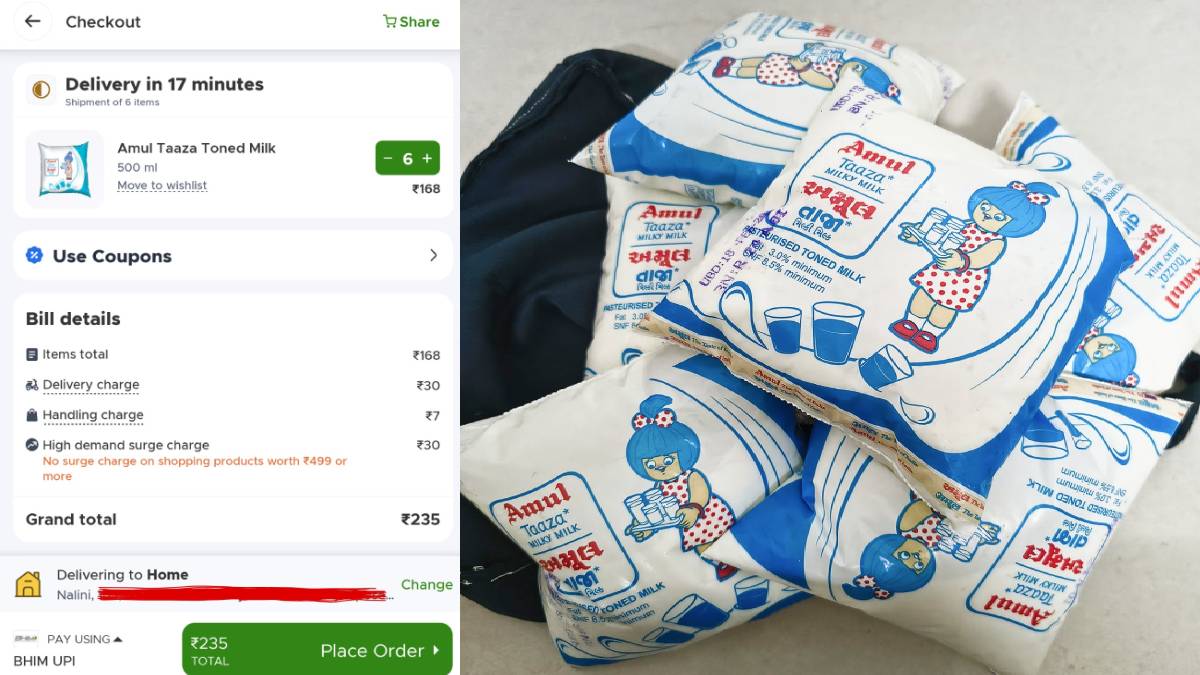
Yesterday, at home guests needed a milkshake almost instantly. Blinkit's opening price was ₹235 and a waiting time of 17 minutes started. Instead of waiting, 150 meters of a short walk was taken to a nearby dairy shop for the job. Within 5–6 minutes, the milk had been bought for just ₹168. The difference was clear: faster, cheaper, more personal.
Delivery apps are designed to be convenient, and yet they often charge more for speed and service. Over time, these hidden costs add up. People get used to the comforts of ordering online and forget that local stores are often closer, cheaper and more consistent. The local dairy uncle in this instance was here to furnish the product promptly but more importantly, the trust of the community who would return the goods on credit if it was requested. All of this human connection cannot be replaced by apps.
Local stores are not just places where you can purchase goods. They’re a part of the neighborhood’s social fabric. Supporting them means holding small businesses open, doing it justly, and fostering trust. Shopkeepers, unlike app users, are often well‑versed in their customers’ life from the inside. They understand what is important to them and can adapt.
More reliance on delivery apps poses significant sustainability and fairness questions. But more expensive prices, packaging waste and service fees mean they’re less eco‑friendly and costlier in the long run. At the same time, as much as their value propels growth, local shops are struggling to keep pace. Choosing local is not just cost‑saving its community‑building and eliminating unnecessary costs.

The milkshake situation is a minor but poignant note: convenience cannot rob us of values. As you walk to a nearby shop, you can cost less, do the work and save time, as well strengthen ties within the community. Apps are helpful, but they cannot substitute the trust, flexibility and person‑to‑person engagement of local businesses. Localism is not just smart economics; it is also a way to keep our neighborhoods strong.