
Argentina’s dramatic 3-2 comeback victory over Egypt in the FIFA World Cup 2026 Round of 16 was one of the tournament’s greatest escape acts. But behind the entertainment of the game of football, there has been a storm over a number of refereeing decisions and Egypt’s players, coaches, and fans have said the officials were playing for the defending champion.
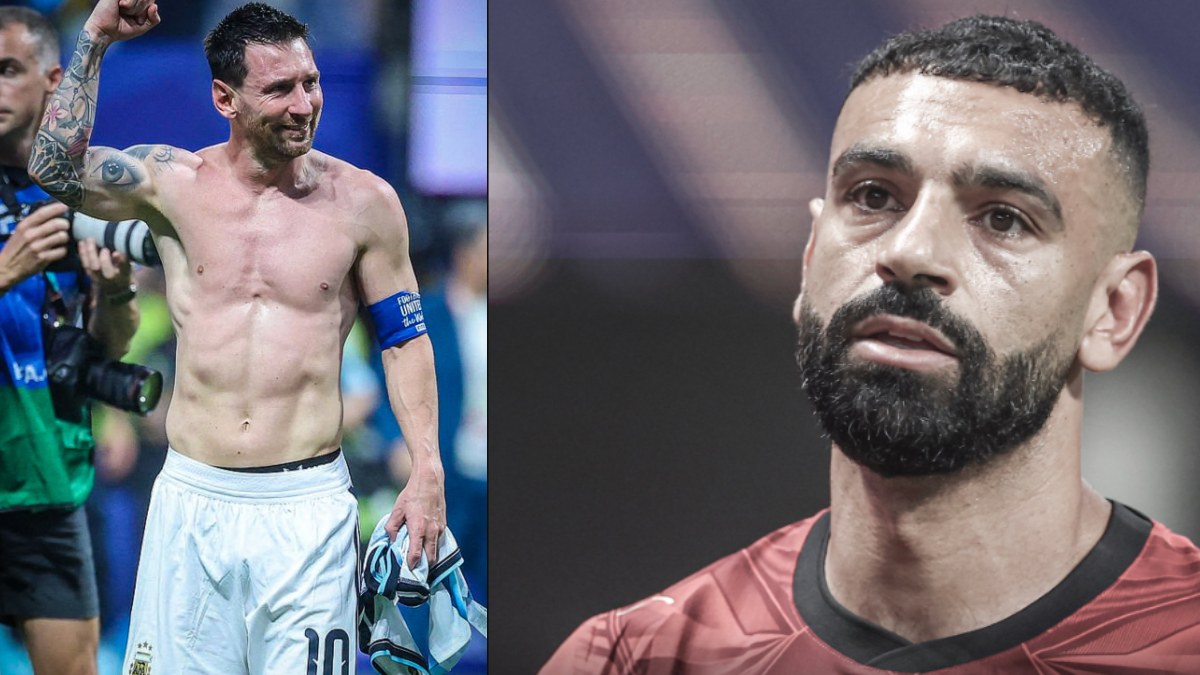
For more than 75 minutes at the Mercedes-Benz Stadium in Atlanta, Egypt appeared on course for one of the biggest upsets in World Cup history. Yasser Ibrahim and Mostafa Ziko scored a 2-0 lead and Messi and Argentina didn’t stand a chance at all to make it out of the tournament because of it.
But the momentum shifted from then on after a series of controversial decisions that have since become the centre of the knockout clash. Egypt thought they had extended their lead with Mostafa Ziko in the second half. But the celebrations were short-lived when VAR ruled the goal out, determining Haissem Hassan had fouled Argentine defender Lisandro Martinez in the build-up.
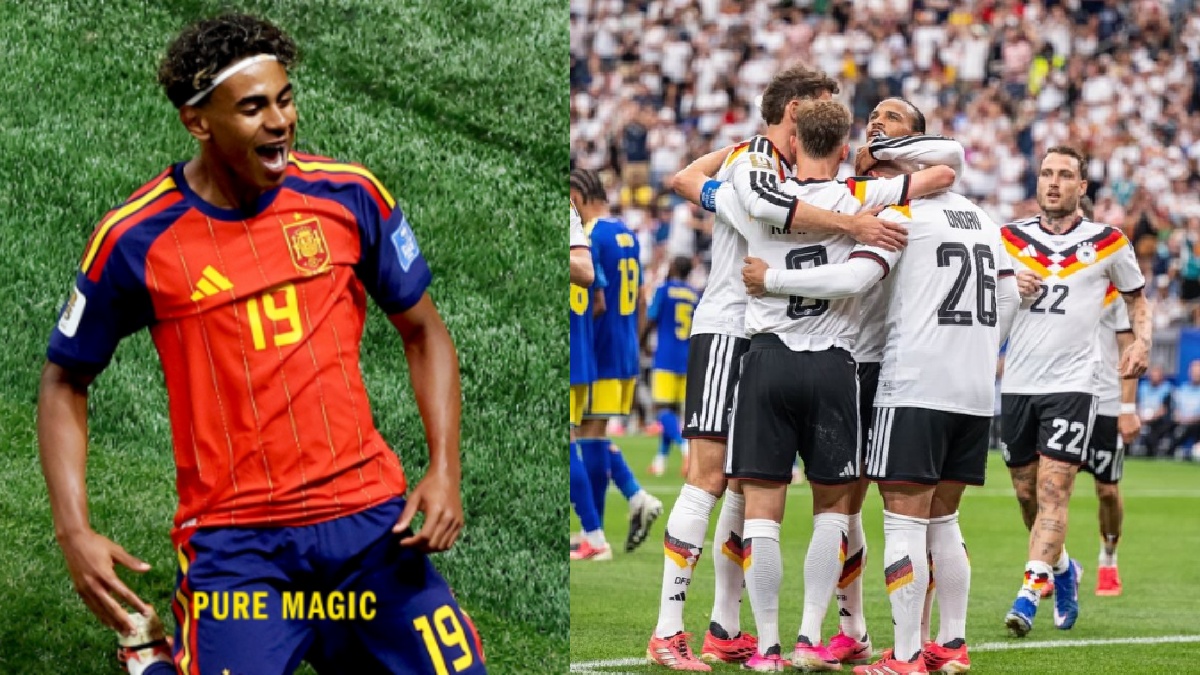
The decision triggered quick protesting from the Egyptian players and coaching staff and social media was abuzz with the Egyptian players and coaching staff immediately protesting and clips, screenshots and arguments over whether the foul justified not taking away what could have been the match-winning goal.
Another flashpoint occurred in the first half when replays appeared to show Argentina defender Nahuel Molina had an outstretched arm to touch Egypt winger Emam Ashour, and play continued. The Egyptian players protested, but referee Francois Letexier did not award a penalty and many fans questioned the validity of the decision.
- no foul (penalty actually)
- no var
- goal validaded
that’s not just an outrageous, it’s cheating in broad day light! they don’t even try to disguise. just like cape verde, EGYPT WAS ROBBED#ARGxEGY pic.twitter.com/KfPNrjEmTq— ~*bia wheat*~ ˢᶜᶜᵖ 🇧🇷 (@biatrigo) July 7, 2026ALSO READ
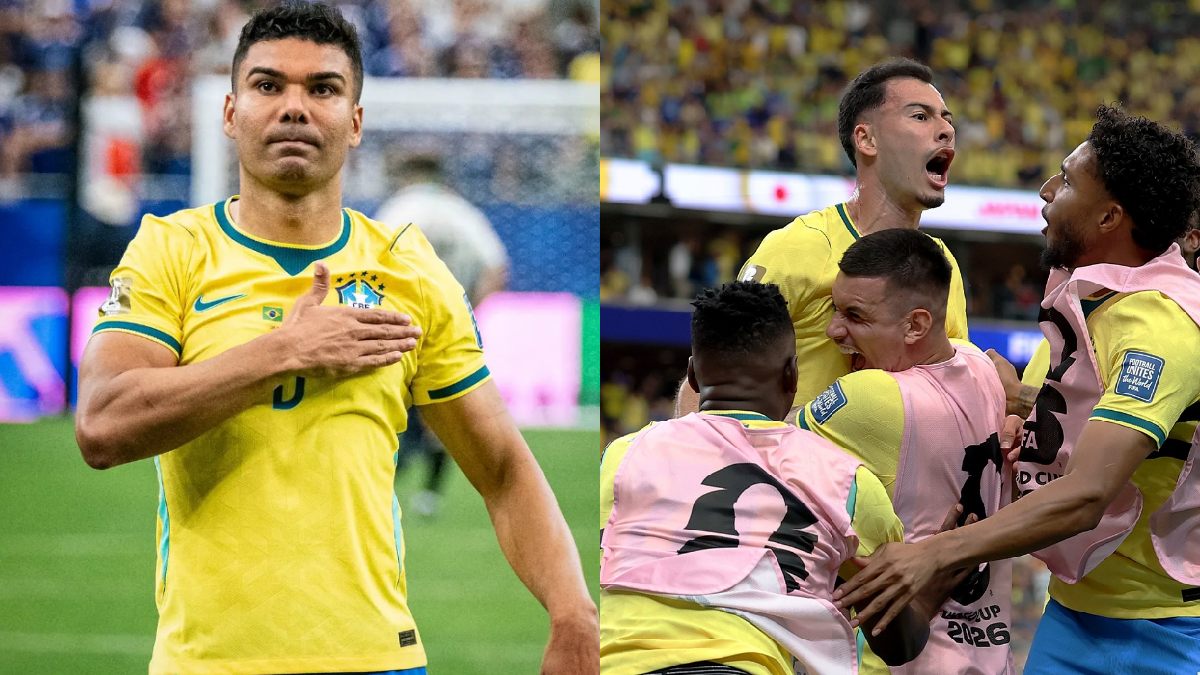
The controversy only escalated in the second half when Egypt felt they should have been awarded a penalty. Mohamed Salah was in trouble inside the Argentine penalty area after a challenge from left-back Nicolas Tagliafico. TV replays appeared to suggest Tagliafico clipped Salah’s toe before the Liverpool forward lost possession and fell to the ground. But neither referee nor VAR intervened, and criticism of the referee and VAR in the online forums continued.
The disputed calls have led to claims that Argentina benefited from marginal decisions at times throughout the match. There were many fans, media, former players and football pundits who felt the officiating was biased in favor of the current world champions at the very moment in the game that they all felt at the end of the day.
The frustration was clearly evident after the final whistle. Egypt head coach Hossam Hassan said he was disappointed with the officiating and forward Mostafa Ziko went even further. The striker accused referee Francois Letexier of being unfair and made the explosive charge that the tournament was “fixed” in Argentina’s favor.
Argentina showed late comeback after all the controversy. Defender Cristian Romero gave the South American giants hope in the 79th minute when he took in a pinpoint pass from Lionel Messi. Messi himself scored the equalizer just four minutes later with a beautiful volley, claiming his eighth goal of the tournament and keeping Argentina's title chase alive.
When extra time was inevitable, Enzo Fernandez set up the turnaround in stoppage time with the winning goal to make it 3-2 and send Argentina into the quarter-finals.
Argentina’s resilience and championship spirit also played out in the final game and therefore the discussion after the game was wide beyond football. The fans of the defending champions were celebrating another World Cup comeback but Egypt pondered what might have happened. The disallowed goal and rejected penalty appeals are in the history books and will certainly be talked about after the tournament is over.
As Argentina bid to win the World Cup title this time again, the round of 16 drama has only added to an already memorable FIFA World Cup 2026 and the focus now turns to the role of VAR and refereeing in football's biggest competition.




Comments