
Australia batsman Nic Maddinson struggled with a bad return to Test cricket after a decade and had a bad record in the first Test against South Africa in Durban. Maddinson left with 33 deliveries without any score and was bowled for the longest duck by an Australian opening batsman in Test cricket history (match report).
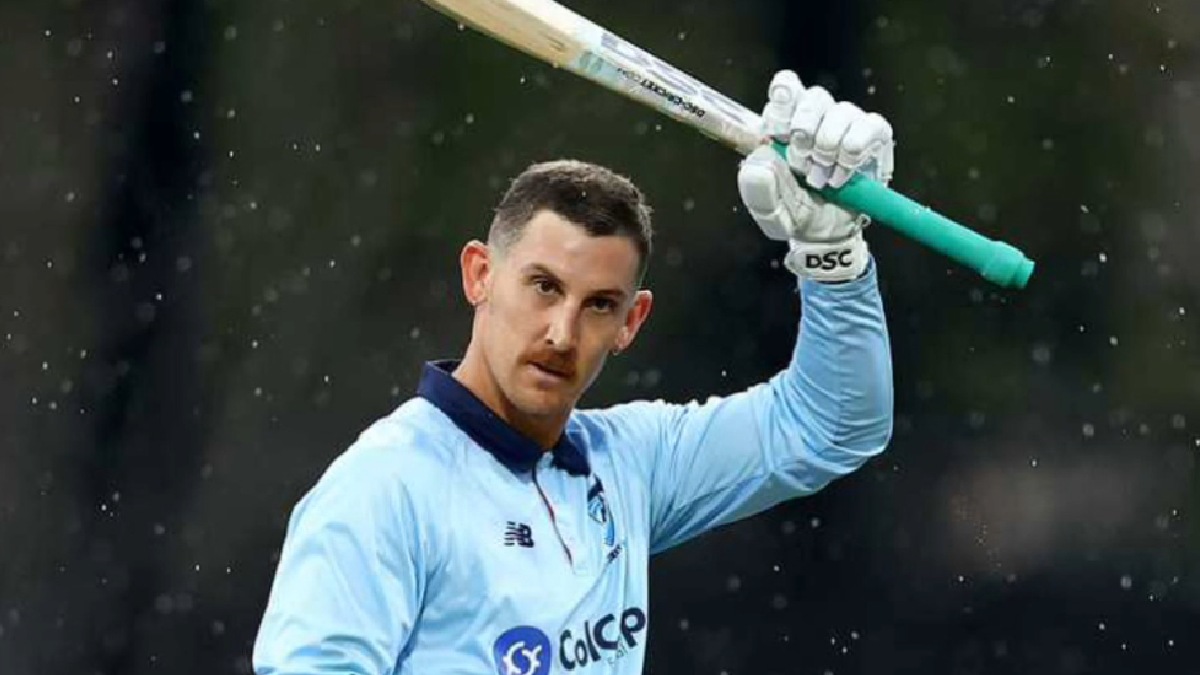
His innings was also the third longest duck by an opening batsman in Test cricket history.
Maddinson's selection as part of Australia's playing XI became a topic of debate for former Australian cricketers ahead of the match. The left-handed batsman had not played for Australia in Test cricket since December 2016, so to return after nearly 10 years was a big deal for him. But his return didn't produce the runs he wanted, and he failed to get a shot in before falling to his wicket in the first session.
Nic Maddinson Records An Unwanted Milestone Against South Africa
Australia won the toss and elected to bat first in the opening Test against South Africa. Maddinson was paired with Travis Head who had publicly supported the decision to select him for the match. Both looked like they could provide Australia with a solid start but South Africa's bowlers disrupted the innings early.
Wiaan Mulder took the breakthrough when Head was bowled for nine runs in the eighth over, Australia at 17. Maddinson continued at the other end and tried to make a run with the South African ball but could not. His innings ended after 33 deliveries when he was bowled.
The dismissal ended a difficult return for the Australian opener. Maddinson had survived and sat in the crease for so long but his failure to score made the innings statistically significant for the wrong reason.
According to the report, Maddinson's 33-ball duck is the longest recorded by an Australian opening batter in Test cricket. It is also the third-longest duck among opening batters overall, making his innings among the oddest statistical entries in the format's history.
Following Maddinson’s dismissal Australia was 24 for two under pressure. South Africa took advantage of the early wickets to set the pace and challenge the visitors’ batting depth.
Steve Smith And Marnus Labuschagne Steady Australia
After the early setbacks, experienced batters Steve Smith and Marnus Labuschagne came together to rebuild Australia’s innings. The pair went on to make 60 runs for the third wicket, helping the visitors recover from the loss of both openers.
Labuschagne contributed 37 runs before being dismissed by Mulder, who took his second wicket of that innings. His exit left Australia at 84 for three as the first session ended.
Smith remained unbeaten at 25 at the interval, providing Australia with a little stability after a tough start. The partnership with Labuschagne was vital to avoid South Africa dominating the first session.
Mulder’s performance was particularly valuable for the hosts as his dismissals of Head and Labuschagne disrupted Australia’s attempts to establish a strong platform. South Africa’s bowlers capitalized on the early breakthroughs and ensured that the visitors had to work hard for their runs.
The first-session score of 84 for three left the match delicately placed, and Australia would still need another partnership for a competitive total to be achieved.
Nic Maddinson's Test Career Before His Return
Maddinson’s return to the Australian Test side came after a relatively short and winding down of a career in the longest format. He made his T20 debut against India in October 2013 and scored 34 runs from only 16 deliveries.
His Test debut followed in November 2016 in Adelaide against South Africa. It also proved difficult, for he was dismissed for a 12-ball duck in the only innings in which he batted. His last Test before the Durban match went against Pakistan in December 2016 and he scored 22 runs in his only innings.
Maddinson had played just 3 Tests for Australia before his comeback, and scored 27 runs in four innings at an average of 6.75 and 22 with his highest score. His extended absence from the Test side meant Durban was a chance for him to rediscover his career in red ball.
Even though he has limited Test opportunities, Maddinson has built a great record in Australian domestic cricket, and his Sheffield Shield is the country's premier first-class competition.
Sheffield Shield Record A Different View
Maddinson's domestic first-class statistics show the experience he brings to the Australian side. According to these figures, he has played 88 Sheffield Shield matches and scored 7,832 runs at an average of approximately 37. He has scored 18 centuries and 36 half-centuries.
These numbers underline his experience in red-ball cricket and explain why his selection attracted attention. Consistent performances in domestic cricket can give selection agents the evidence to support a player’s ability to handle long innings, difficult conditions and multi-day matches.
His last first-class appearance before the Durban Test was against Western Australia in March 2025 as a member of New South Wales. Maddinson scored four runs in the first innings and was dismissed without scoring in the second.
His domestic experience therefore provided the basis for his recall, but translating that form into international success remained the challenge.
Maddinson’s Crucial Opportunity
Maddinson’s return to Test cricket was to show how his domestic game and experience could translate to the international stage. Rather, his 33-ball duck was the defining moment of his comeback.
A single innings does not reveal a player's ability in general, but the circumstances of his return make the result particularly significant. Maddinson got to play red-ball again after nearly a decade away from Test cricket. His failure to score will be questioned, especially when there is so much talk of his selection.
The big priority for Australia is to build a solid first-innings total and not let the early dismissals put the team at a disadvantage. Smith was at the crease and Labuschagne had some encouragement after the early failures.
For Maddinson now he is going to try to learn from the experience and make the most of whatever opportunities are available to him now. His return in Test cricket is already etched into the statistical history and his future will ultimately depend on performances in the future and opportunities he will get.




Comments