This Sunday 15 February at R. Premadasa Stadium for the India v Pakistan match, the cricketing world is slowly taking hold. But for decades now, this fixture held the gold standard for “down-to-the-wire” thrillers for cricket, and now that it's the match in question, analysts and even former captains who have watched games are sniffing their breath out this very day.
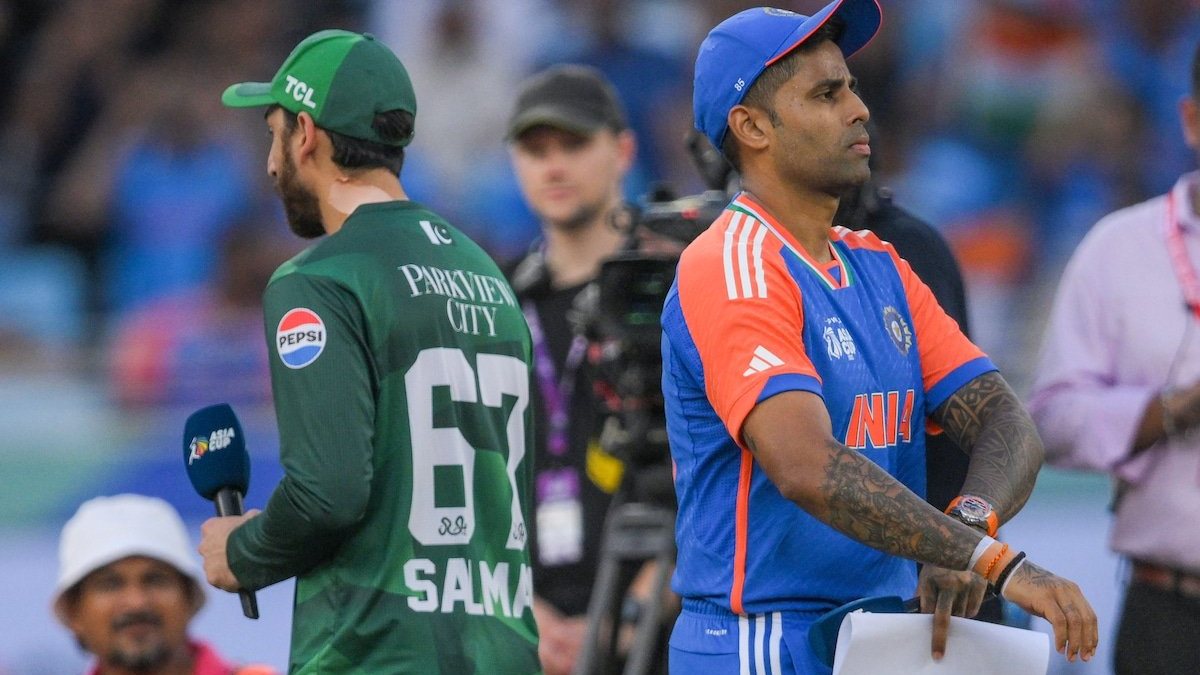
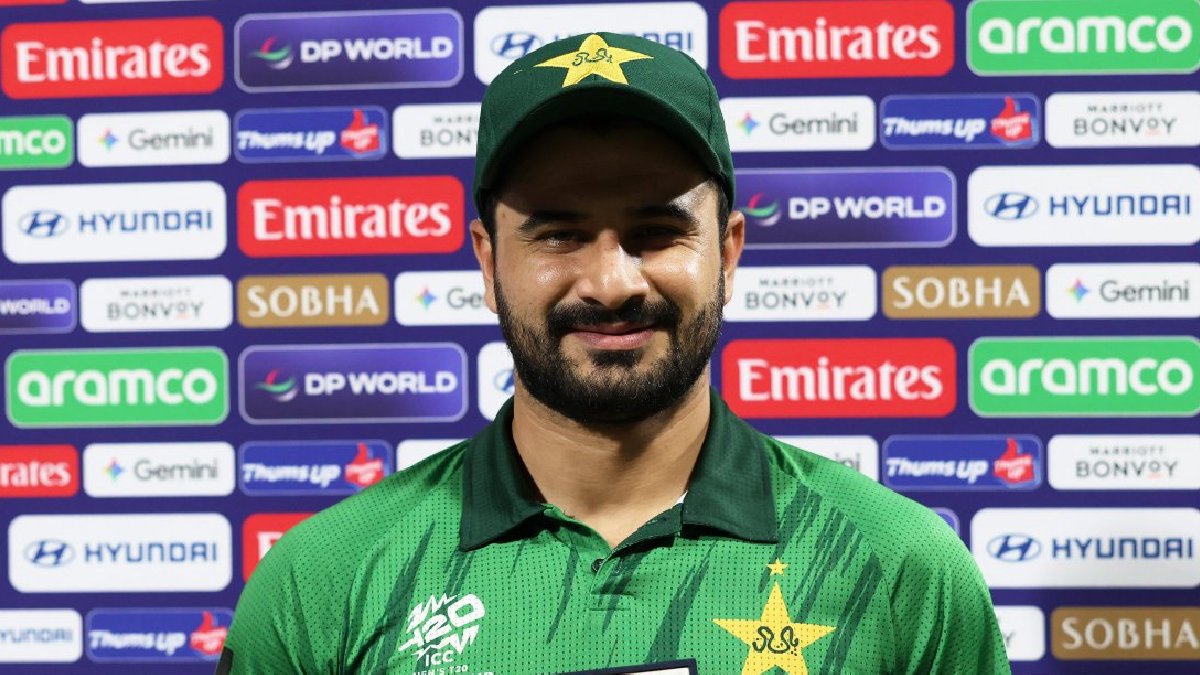
Though the talks from Pakistan’s Sahibzada Farhan have dismissed the one-sidedness of the words as hype, the cold, hard evidence suggests the "Men in Blue" have never had a more lasting psychological and tactical edge.
The Dominance Factor: 13-3 and Counting
The most obvious reason for the “mismatch” label is India’s complete statistical domination in the T20 format.
- The Record: According to statistics, India has won 13 out of the 16 T20I meetings, leaving Pakistan with 3 overall victories.
- The Streak: India has won all five of the last encounters with Pakistan, including a clean sweep of three matches during the 2025 Asia Cup.
- World Cup Supremacy: India has a crushing 7-1 lead in T20 World Cup history. These repeated losses have become such a mental baggage of "12th man" for the Indian side.
Tactical Gaps: Modern T20 & Old Anchors
The distance between the two countries on T20 philosophy has increased drastically under Suryakumar Yadav under his captain’s orders.
- India’s Aggression: The Indian top seven have strike rates above 140. India, with explosive openers like Abhishek Sharma and Ishan Kishan, hopes to dominate from Ball 1.
- Pakistan’s Stability vs. Stagnation: Pakistan’s dependence on Babar Azam and a newly disrupted middle order generally results in “safe” powerplays. In an increasingly modern T20 scene where 200 is the new par, Pakistan's 'anchor heavy' stance often leaves them 20-30 runs short against a high-octane Indian lineup.
The Spin Trap at R. Premadasa
The Colombo pitch is slow-turner, and whereas Pakistan traditionally prides itself on spin, India’s current arsenal can be described as more potent.
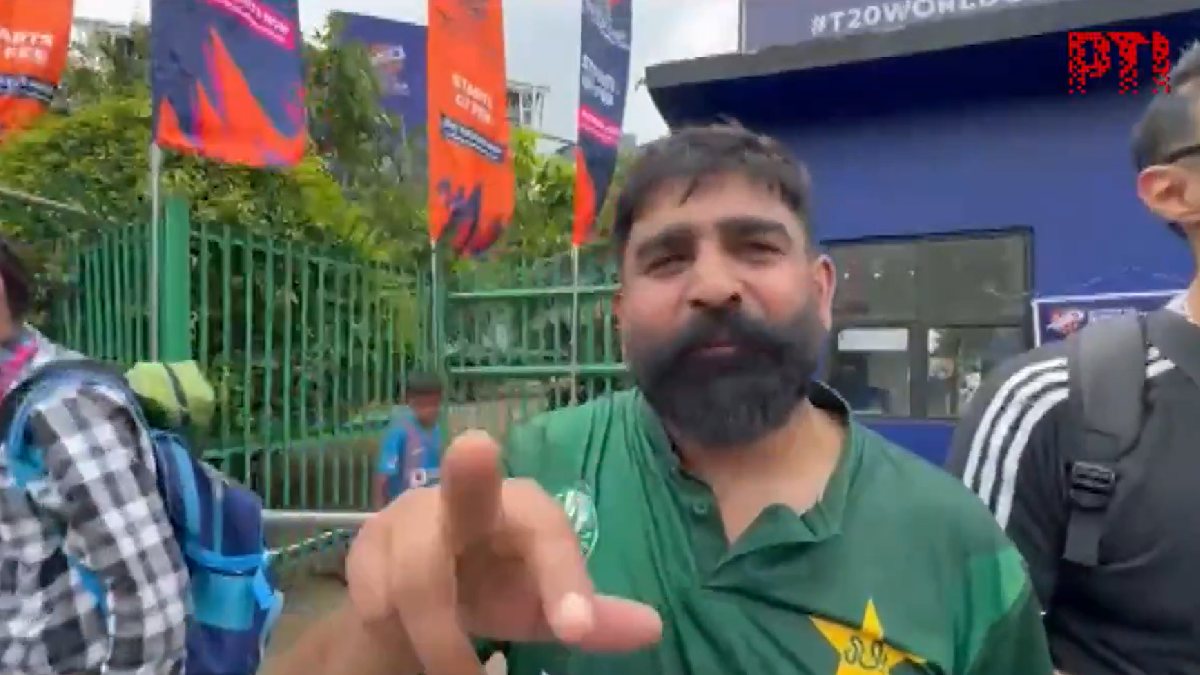
- The “Mystery” Part: Varun Chakaravarthy is the world’s No. 1 T20 bowler right now, India. His “mystery” deliveries have long troubled Pakistani batters who gravitate toward leg-spin.
- Pakistan’s Problems: Shadab Khan and Mohammad Nawaz both have experience, but there’s been some inconsistency among their style. Pakistan’s "X-factor" spinner Usman Tariq is a talented but untested bowler untried in the high-stakes furnace of an India-Pakistan World Cup game.
Depth Over Dependency
India’s squad for 2026 is all-around depth. With Hardik Pandya, Axar Patel and Shivam Dube, India has the opportunity to bat deep down to No. 8 and still six or seven bowling options. Pakistan’s squad, by contrast, has had the departure of stalwarts, like Mohammad Rizwan and Haris Rauf, saddling Shaheen Afridi and a young batting unit in its place with the inexperienced batting team led by Salman Ali Agha.
The Verdict
Even Rohit Sharma warned that “reputations do not guarantee points” in making a decision about the outcome. Yet it has already seen India become the defending champions and won 5 rounds against their rivals, allowing the stage to emerge where Pakistan is not fighting the Indian side – they are fighting history.