The UEFA has hit out at FIFA over the automatic one-match ban on the United States striker Folarin Balogun. It was the decision to ban Folarin Balogun immediately after UEFA has threatened FIFA, as the decision by UEFA has sent a blistering criticism to FIFA to label Folarin Balogun for the automatic one-match suspension.
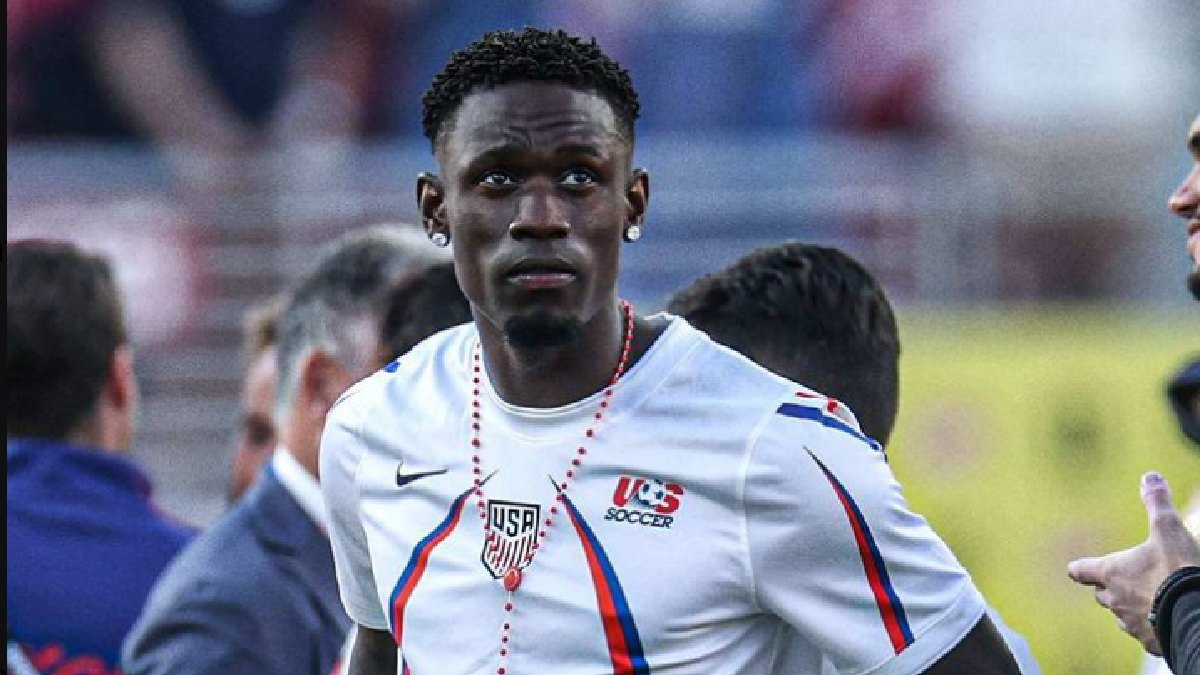
Balogun was supposed to miss the knockout match after being red carded in the United States' round of 32 win over Bosnia and Herzegovina. A straight red card in FIFA is automatically punished by one-match suspension. But in a surprise move, FIFA used Article 27 to suspend the ban for a year, which would make Balogun eligible for Belgium.
The decision has rocked the football world and has been criticized by some that the decision has upended one of the most basic disciplinary principles of the sport.
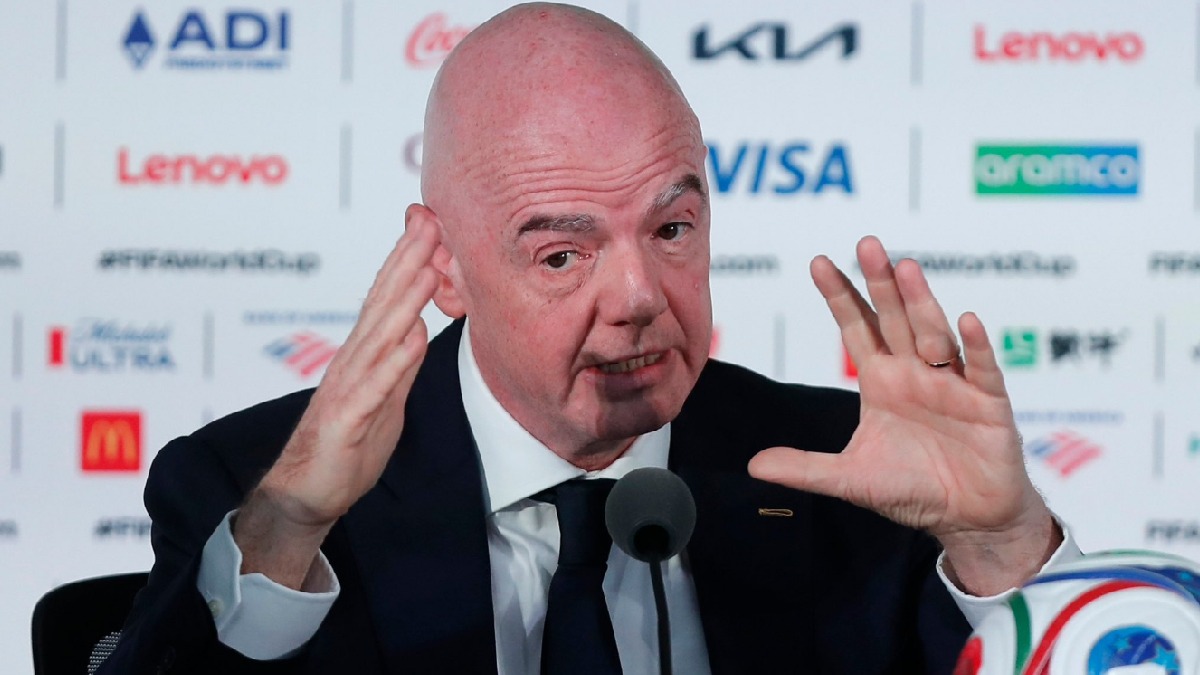
UEFA criticized FIFA's decision as being made in a very timely manner and not in legal terms. The European governing body said suspension following a red card is a mandatory punishment and is not a discretionary decision but a necessary one for every player and team.
"The decision by UEFA yesterday to suspend for a probationary period of a year the implementation of the one-match automatic suspension following the red card issued to the player Folarin Balogun crossed a red line," UEFA said.
The credibility of football is based on the consistency of its laws, and making exceptions when the biggest tournament in the world is considered threatens the integrity of the competition, the organization said.
UEFA also claimed that several of the World Cup players have already served automatic suspensions after receiving red cards. Even giving Balogun an exemption midway through the tournament is unfair and could cause FIFA to apply the same treatment in other instances, it said.
"When the certainty of rules is no longer guaranteed by its guardians, the integrity of the game is at stake and the credibility of a competition is undermined," the statement says.
Belgium also reacted strongly to the decision. Belgium’s Royal Belgian Football Federation was so angry, and Belgium’s Head Coach Rudi Garcia asked why disciplinary rules seemed to have changed at this crucial stage of the tournament.
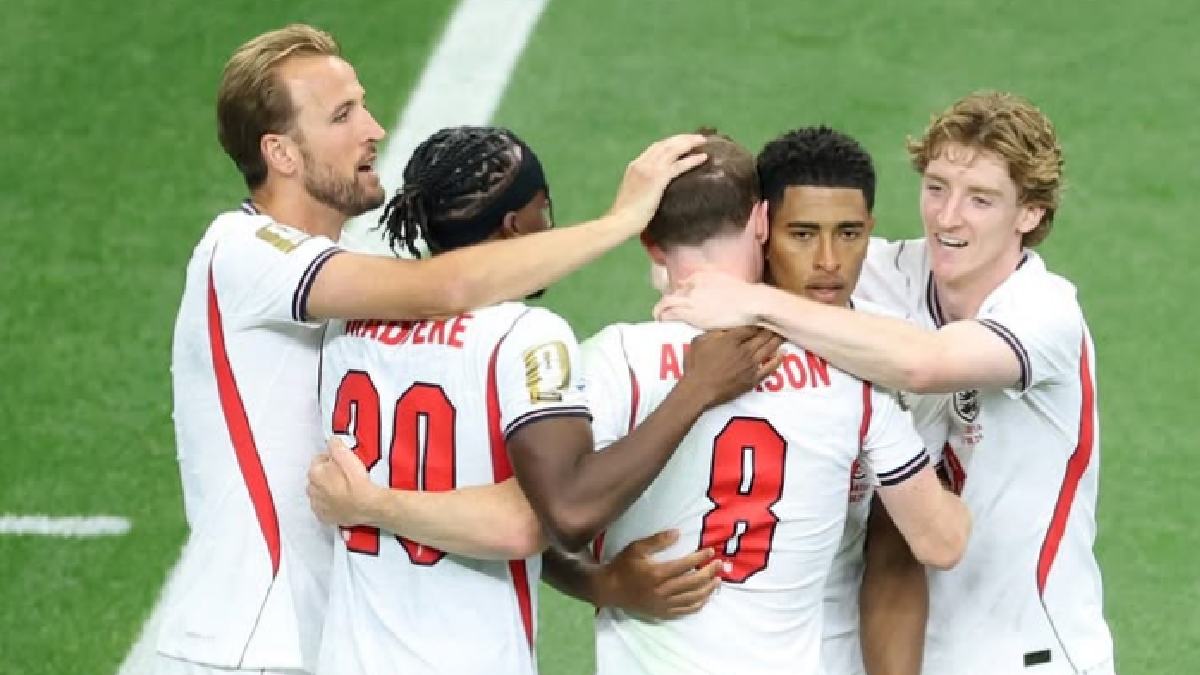
More recently, England manager Thomas Tuchel also criticized FIFA's decision and he is now joining the growing number of prominent voices calling FIFA's disciplinary system into question.
The controversy grew even more heated when the support of U.S. President Donald Trump was extended to FIFA’s decision. Trump wrote about FIFA’s decision on his Truth Social platform just hours after the announcement— and that added another layer of tension to the sports debate.
The Balogun case has also intensified the rivalry between UEFA and FIFA. UEFA has publicly disagreed with FIFA on the scheduling of tournaments, governance decisions, and refereeing in recent months.
A couple of weeks ago, the latest flashpoint came after Somali referee Omar Abdulkadir Artan was denied entry into the United States to referee the World Cup. FIFA was criticized for its handling of the situation; UEFA later picked Artan to referee the UEFA Super Cup between Paris Saint-Germain and Aston Villa, and it has been widely seen as a gesture of solidarity.
With the two largest governing bodies of football in a state of perpetual tension, the Balogun suspension has turned out to be much more than a matter of one player’s presence. It has reopened a larger debate about transparency, consistency, and the extent to which football’s rules should be untouchable whatever the situation.
FIFA is now under intense scrutiny in the final stages of the World Cup. Without any clarification from FIFA, or a decision from the governing body that is the basis of the tournament, Balogun’s case will be one of the most controversial talking points in the long run even after the final whistle.