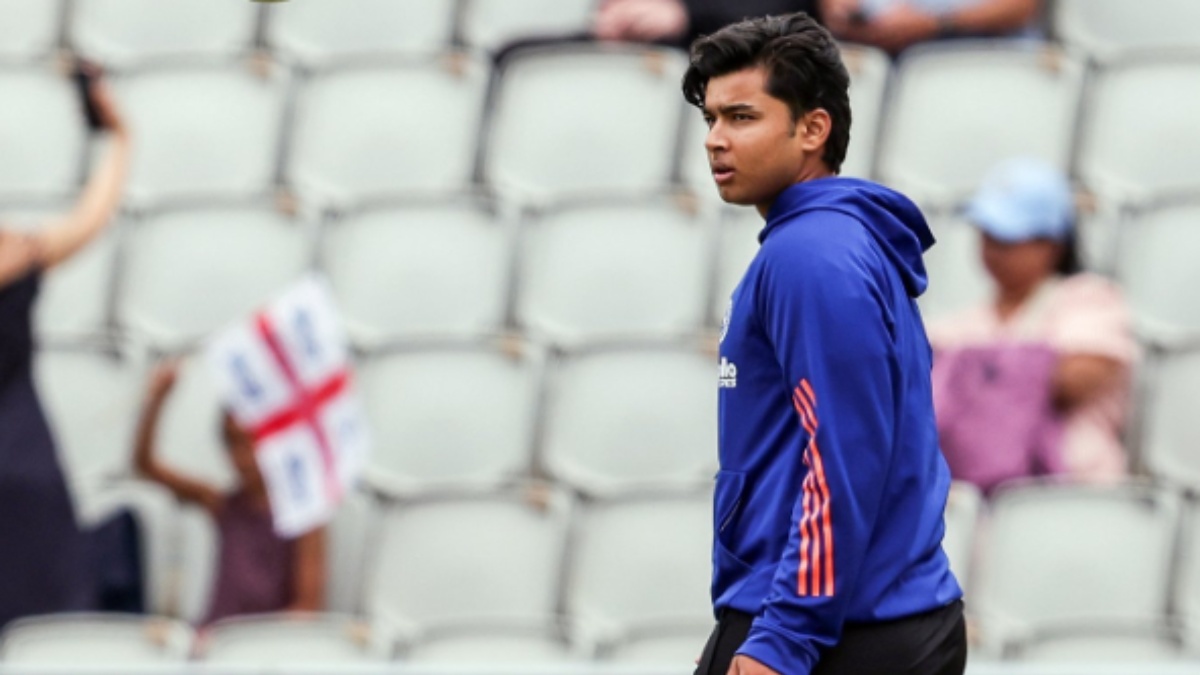
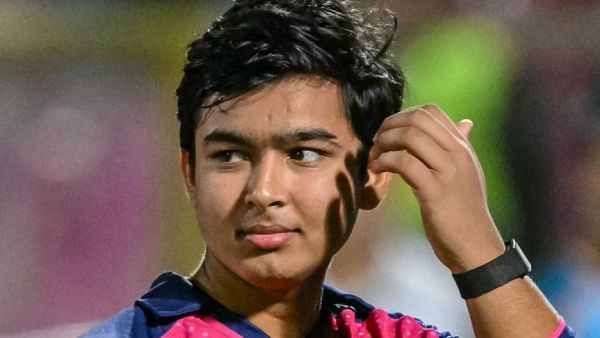
India's present-day cricket star Vaibhav Sooryavanshi has drawn a comparison with legendary former India captain MS Dhoni, with former cricketer Robin Uthappa highlighting a striking similarity in the way the two batters approach the crease.
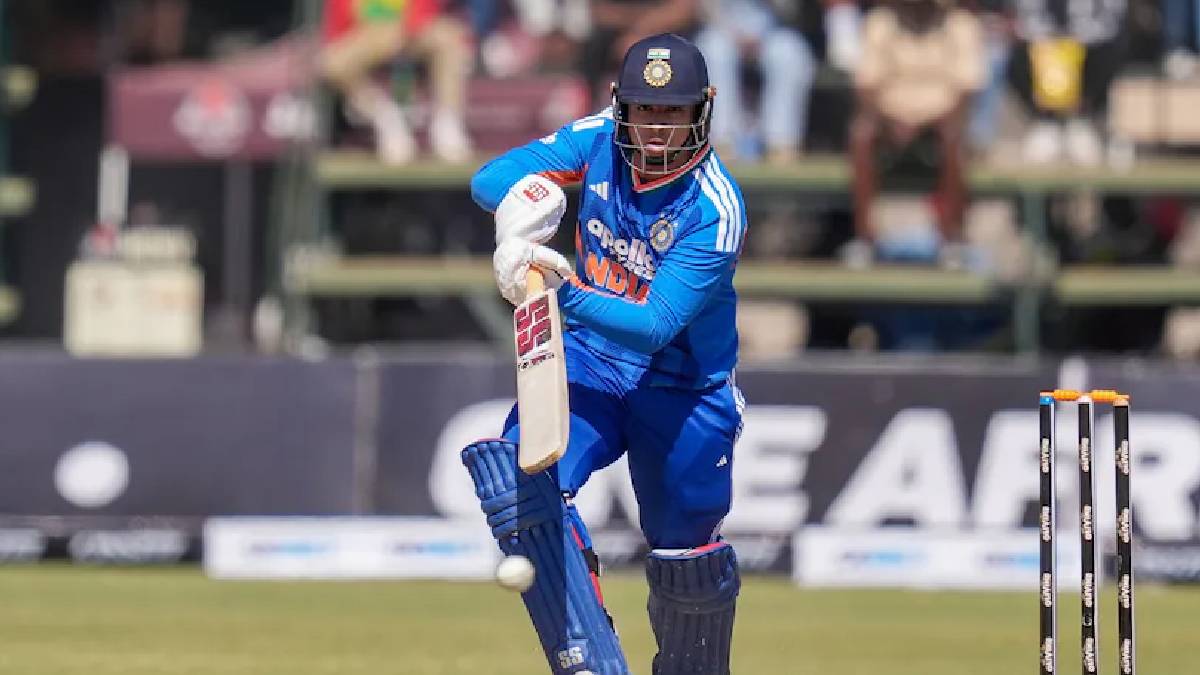
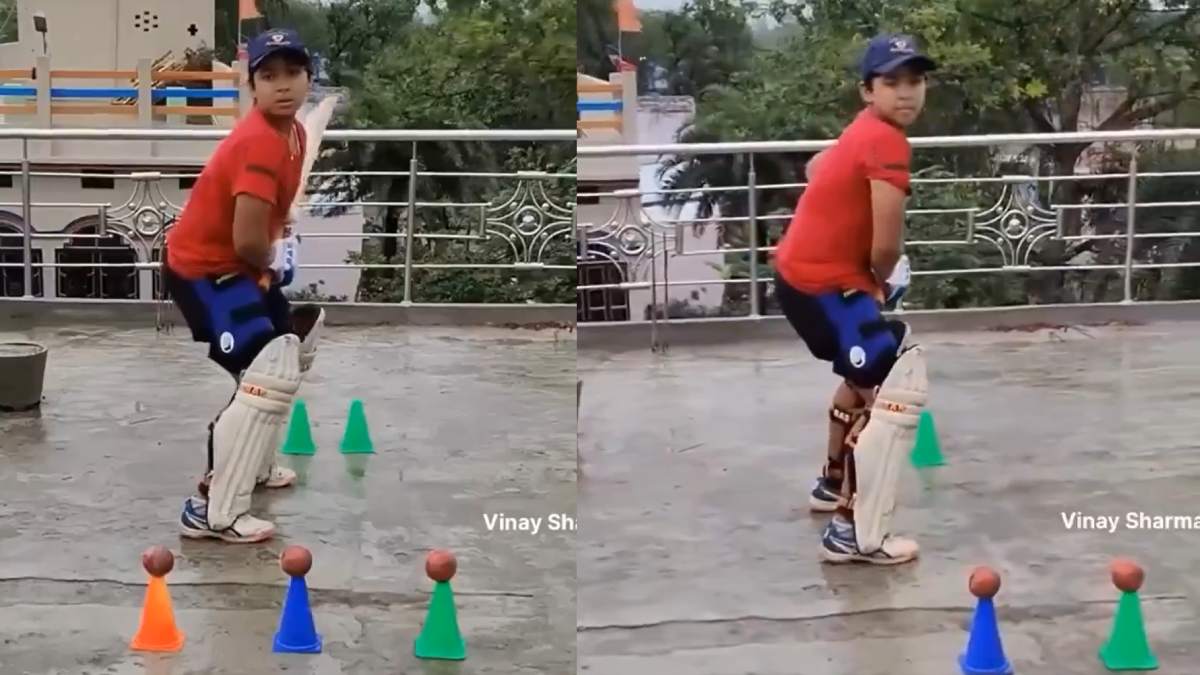
As Uthappa said, Vaibhav has developed a special batting style that is based on staying deep in his crease and not moving forward to play the ball consistently but on his back foot.
Uthappa believes the approach is similar to the strategy Dhoni employed in the early stages of his international career.
Vaibhav's Unique Back-Foot Approach
Uthappa said that Vaibhav tends to stay deep in the crease while waiting for the bowler to deliver the ball.
To be more like the young batter who does not do front-foot shots, the young batter generally stays back and reacts to the delivery.
Uthappa also mentioned that Vaibhav stands slightly outside the off stump and with a somewhat crouched stance. This position helps him to react to different lengths and play aggressive shots depending on the delivery.
The former India batter said the approach can be particularly effective against good-length deliveries, short-pitched balls and bouncers.
Similarity With Young MS Dhoni
Uthappa believes that the technique reminds him of MS Dhoni in the early part of his career.
Dhoni was known for his powerful stroke play and his huge power from relatively unusual positions. Although he never tried to take off in the direction of the ball, he was quite comfortable waiting deep in the crease before launching his shots.
According to Uthappa, Vaibhav seems to have adopted a similar philosophy.
If the batter doesn’t get distracted long enough, he’ll know the length of the delivery. It can make it easier to attack balls that are short or slightly fuller.
If a young batter wants to play aggressive cricket, this can be an effective way of keeping attacking intent without committing too early.
How The Technique Could Work
Uthappa suggested that Vaibhav's method allows him many options depending on where the bowler pitches the ball.
If the delivery is short, the batter can use the extra depth in the crease to play a pull or other back-foot stroke.
With a good-length delivery, the extra time he has can be used for a strong attacking response.
The technique can also be useful for batters looking to attack yorker-length deliveries by creating room and using their hands to generate power.
However, such an approach requires excellent hand-eye coordination, balance and judgment of length.
Vaibhav has already made a huge impact
Vaibhav’s quick rise has been one of the biggest stories in Indian cricket.
The teenager contributed greatly in IPL 2026 for Rajasthan Royals and finished the tournament with 776 runs in 16 matches, including a century.
His performances earned him the Orange Cap as well as the Most Valuable Player (MVP) award, according to the information cited in the report.
His performances also helped accelerate his progression towards the Indian national setup.
At such a relatively young age, Vaibhav's consistency and confidence have gained him enormous fanfare from former cricketers and fans in particular.
Uthappa Wants Orange Cap To Reward Strike Rate
Uthappa also had another interesting opinion about the IPL's Orange Cap.
The former India batter thinks the award should eventually be given to the player with the best strike rate rather than simply the player who accumulates the most runs.
Under the current system, the Orange Cap is awarded to the leading run-scorer of an IPL season.
Uthappa argued that modern T20 cricket has evolved significantly and strike rate should be more important.
He added that if a batter scores around 350 to 400 runs while maintaining the highest strike rate in the tournament, that player can be considered for the Orange Cap.
Uthappa says that the traditional reward of the highest run-scorer is an old tradition and the award could evolve with the changing nature of T20 cricket.
The changing nature of T20 Cricket
Because of the development of T20 cricket, strike rate has become more and more significant.
Teams now expect batters to score quickly from the beginning of an innings. A batter who scores a large number of runs but consumes many deliveries may not always have the same impact as a player who scores fewer runs at a much faster rate.
At the same time, total runs are important in measuring consistency and contributions.
Uthappa's suggestion therefore raises an interesting question about how individual awards should measure performance in modern T20 cricket.
Will Vaibhav become India's next big star?
Vaibhav’s ability to produce results at an unusually young age has already generated comparisons with some of India’s biggest cricketing names.
The comparison with Dhoni, however, should be viewed primarily as an observation about batting technique rather than a prediction that Vaibhav will replicate Dhoni's career.
Dhoni went on to become one of India's most successful captains and finishers, and Vaibhav is still at the beginning of his professional career.
The next challenge for the teenager will be to stay consistent as opposition teams study his technique and plan against him.
He is, in fact, one of India's most closely followed young cricketers for his back-foot approach, fearless stroke play and impressive scoring ability.
If Vaibhav continues to develop while keeping his natural attacking style, the comparison with Dhoni may become one of the many fascinating chapters in his rapidly developing cricket career.