
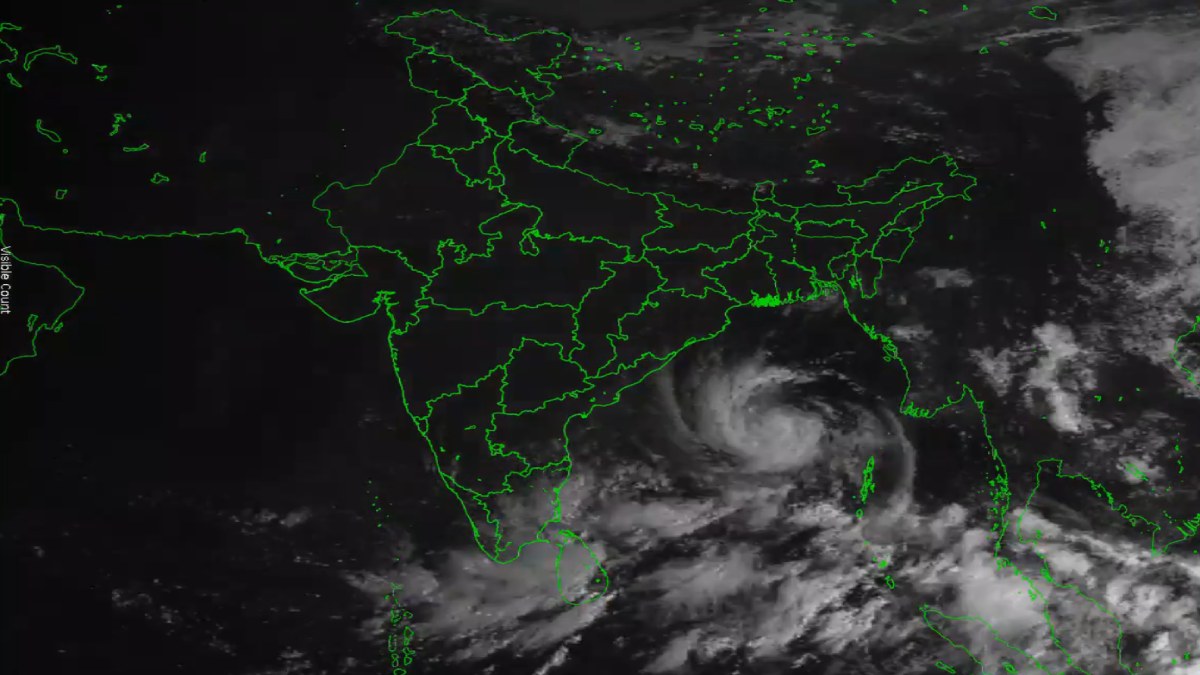
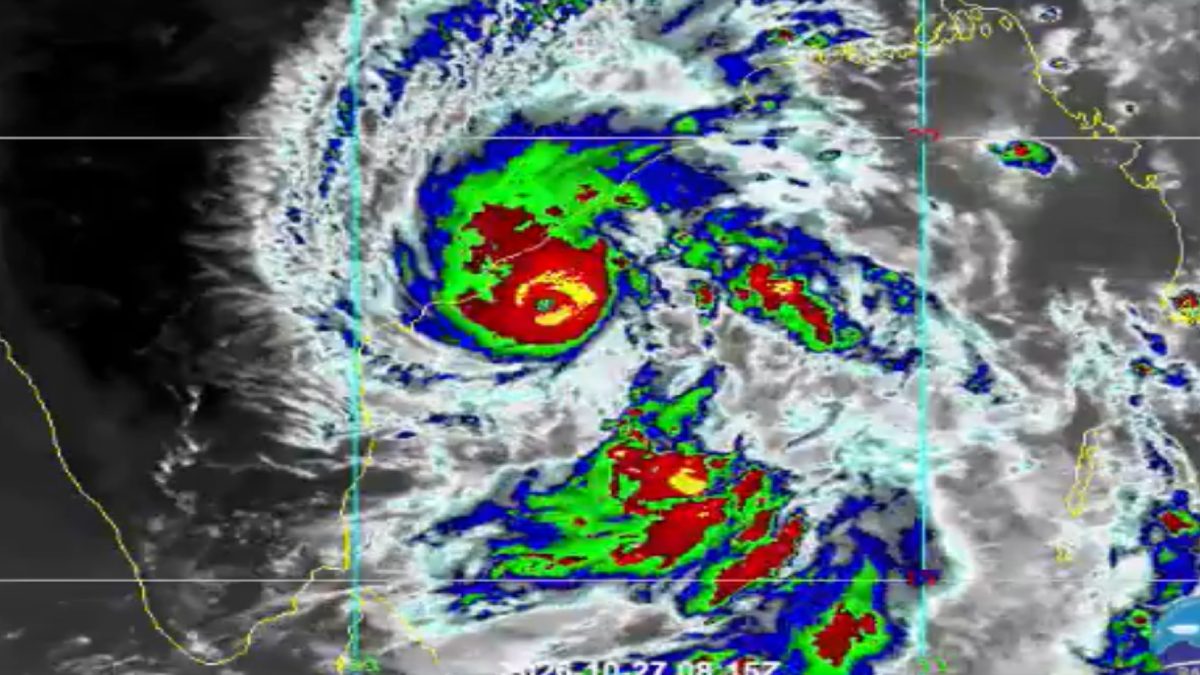
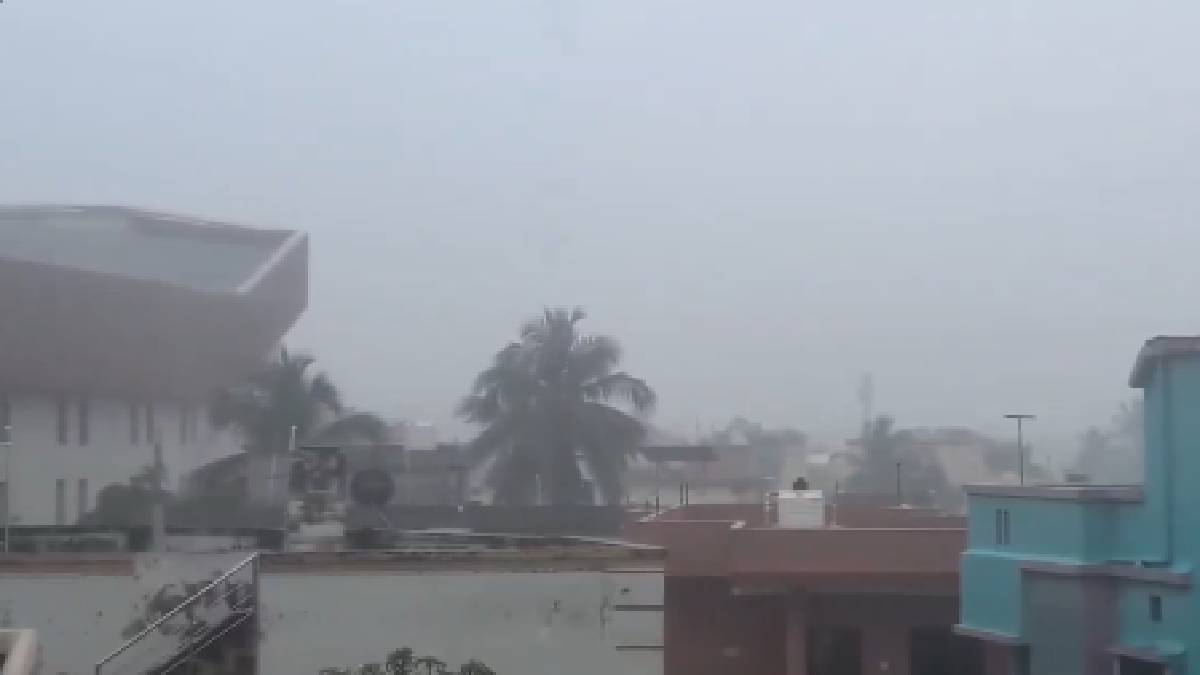
Cyclone Arnab is nearly stationary off the Andhra Pradesh coast as landfall continues, with torrential rain, strong winds, flooding, and widespread disruption. The India Meteorological Department (IMD) said the landfall process would continue for another two to three hours after its 5.30 am update. Emergency and police personnel scrambled to save people as fallen trees blocked roads, power lines were damaged, and many people were stuck in flood-affected areas.
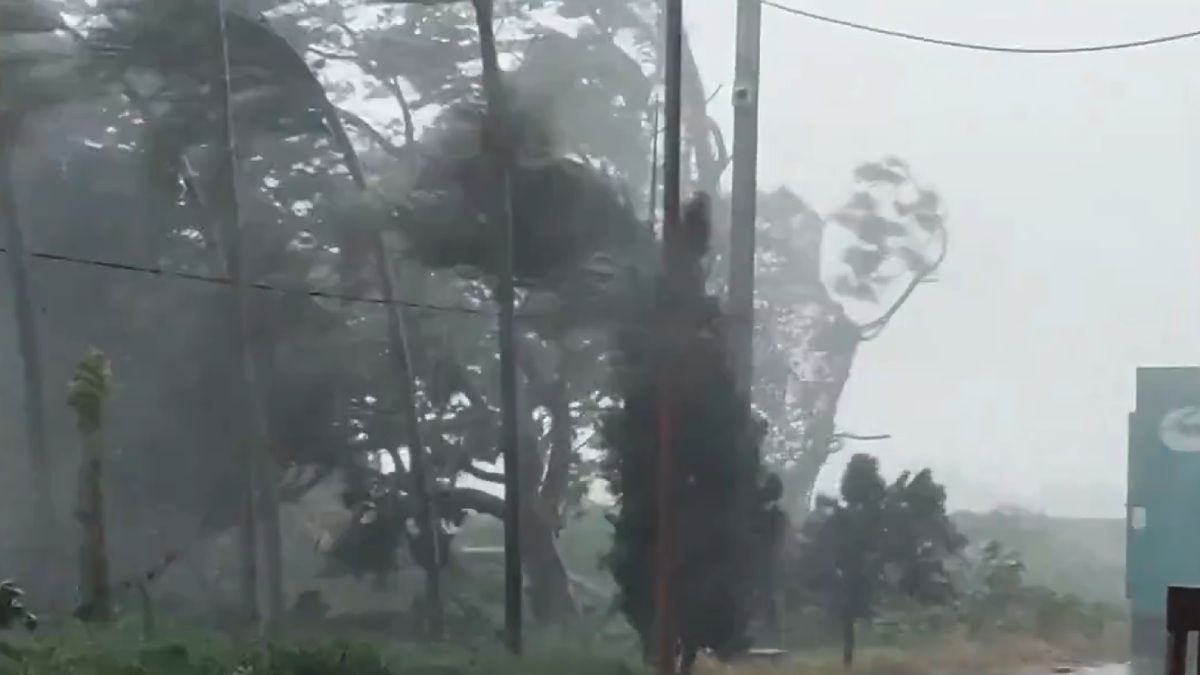
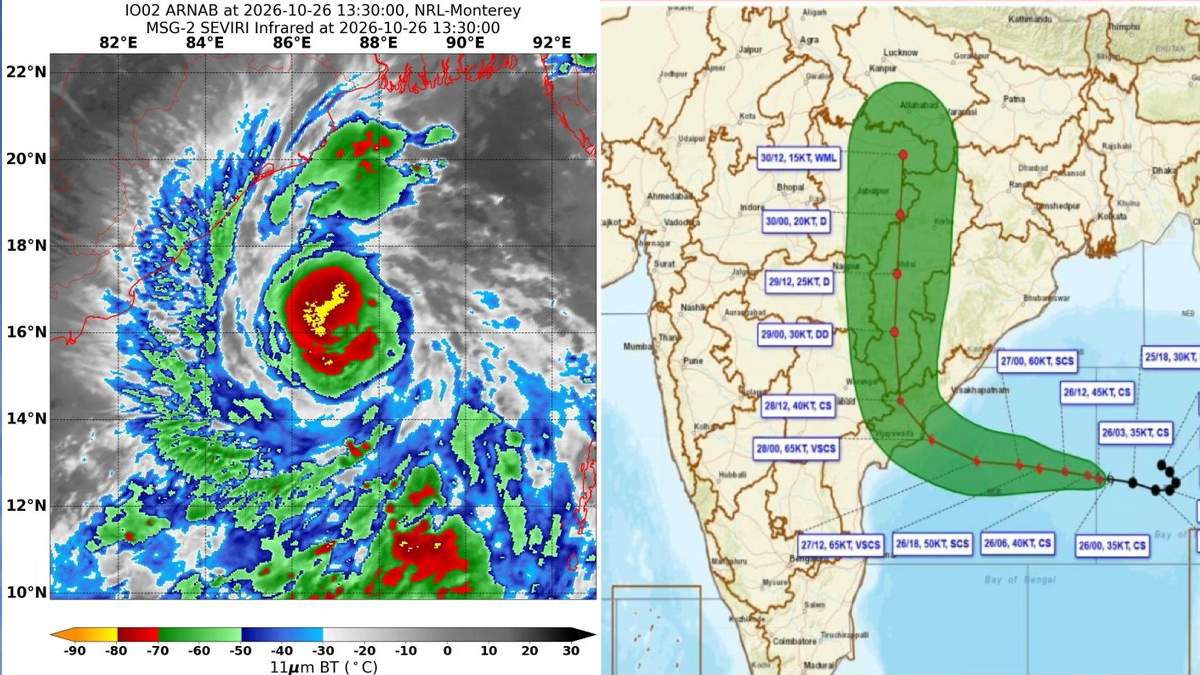
According to the IMD, the northern spiral band of the very severe cyclonic storm had moved further inland, and its centre was still close to the coastline. At the time of our update, the storm was located over the west-central Bay of Bengal, about 30 kilometres east of Narsapur, 45 kilometres south-southwest of Yanam, and 70 kilometres south-southwest of Kakinada.
The cyclone was expected to move north-west and along the Andhra Pradesh and Yanam coasts between Bapatla and Visakhapatnam to the south of Yanam. Maximum sustained wind speed is expected to be 135 kmph, with gusts up to 150 kmph, and we are concerned that this will cause further damage to infrastructure, electricity networks and coastal settlements.
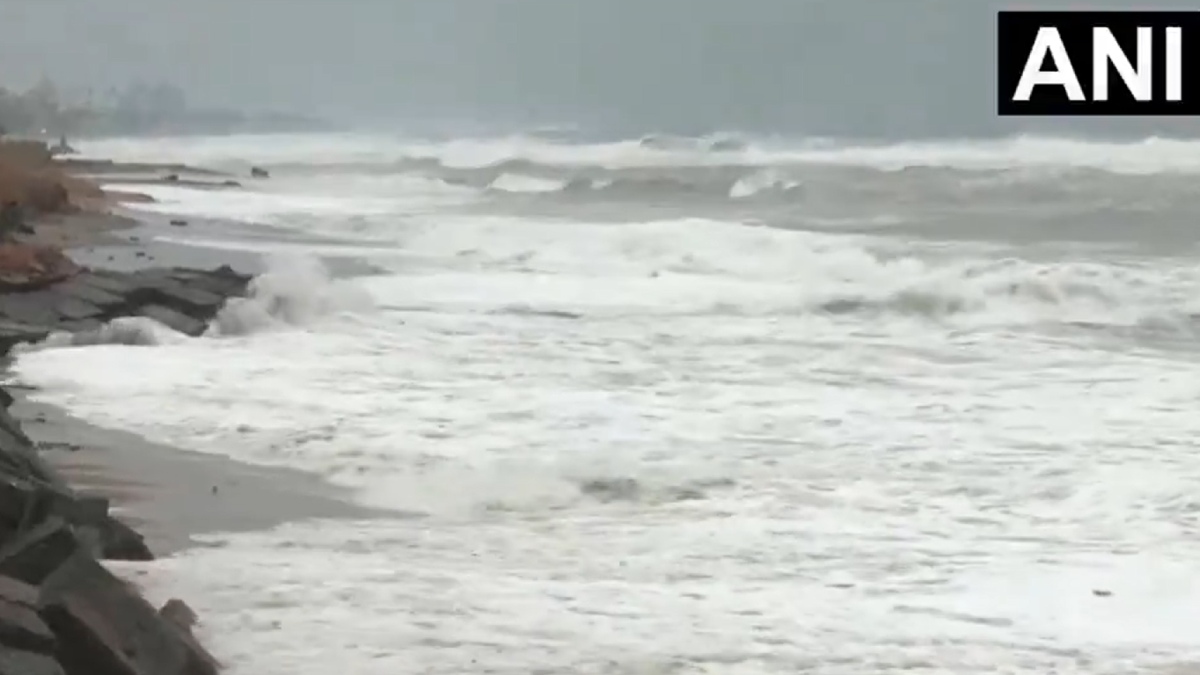
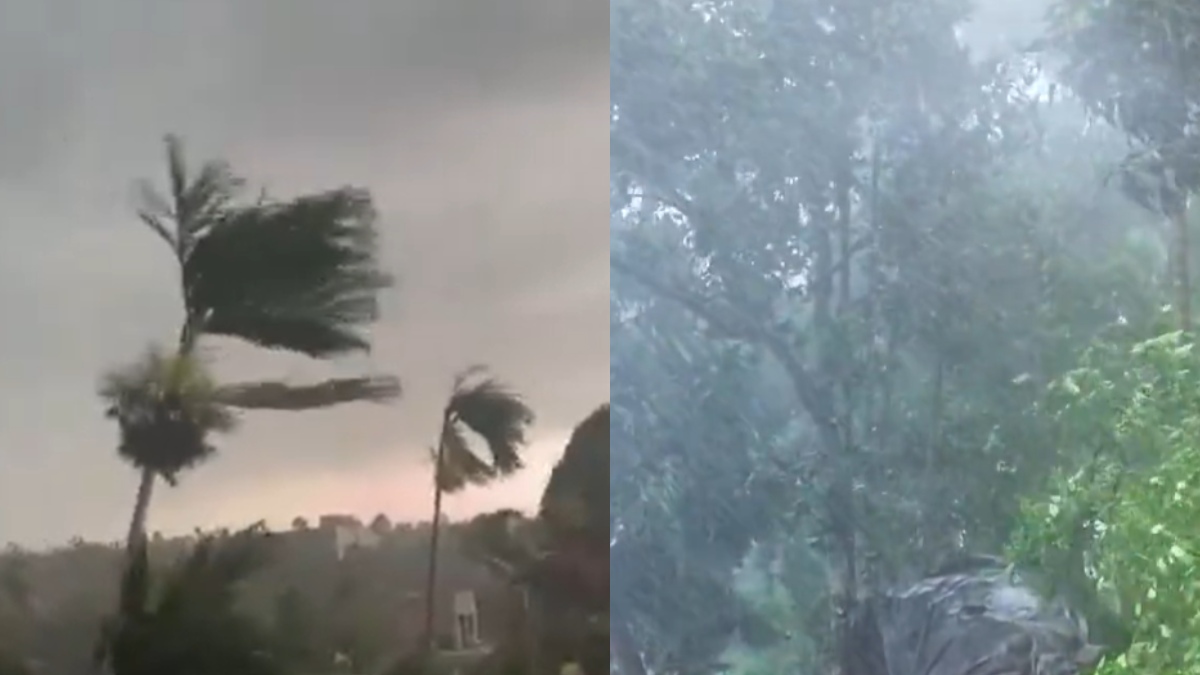
261.5 mm Rainfall Recorded in Anakapalli
The heavy rainfall has hit Anakapalli, Visakhapatnam, Kakinada and Konaseema among others with heavy rainfall as the cyclone's rain bands moved over coastal Andhra Pradesh. The IMD said that it had poured rain up to 200 mm at places in the area between 8.30 am on October 27 and 4 am on October 28 at different places in the region. Waterlogging and flooding were caused by the torrential rain and strong winds, and road connections were disrupted in some areas.
The highest rainfall recorded was at Kannuripalem in Anakapalli district with 261.5 mm. KVBR School in Vizianagaram received 259.74 mm while the area around the 16th Police Battalion in Visakhapatnam had 259.06 mm. The extremely high rainfall of this weather system indicates the severity of the weather system and the likelihood of more flooding in low-lying areas.
State officials warned heavy rainfall could continue Wednesday and Thursday in areas where the cyclone was moving across the coast. Residents in susceptible areas should be alert to weather warnings and heed local authorities’ advice, they added. High rainfall, heavy winds and water bodies overflowing could make it more difficult for emergency and rescue teams to cope, they said.
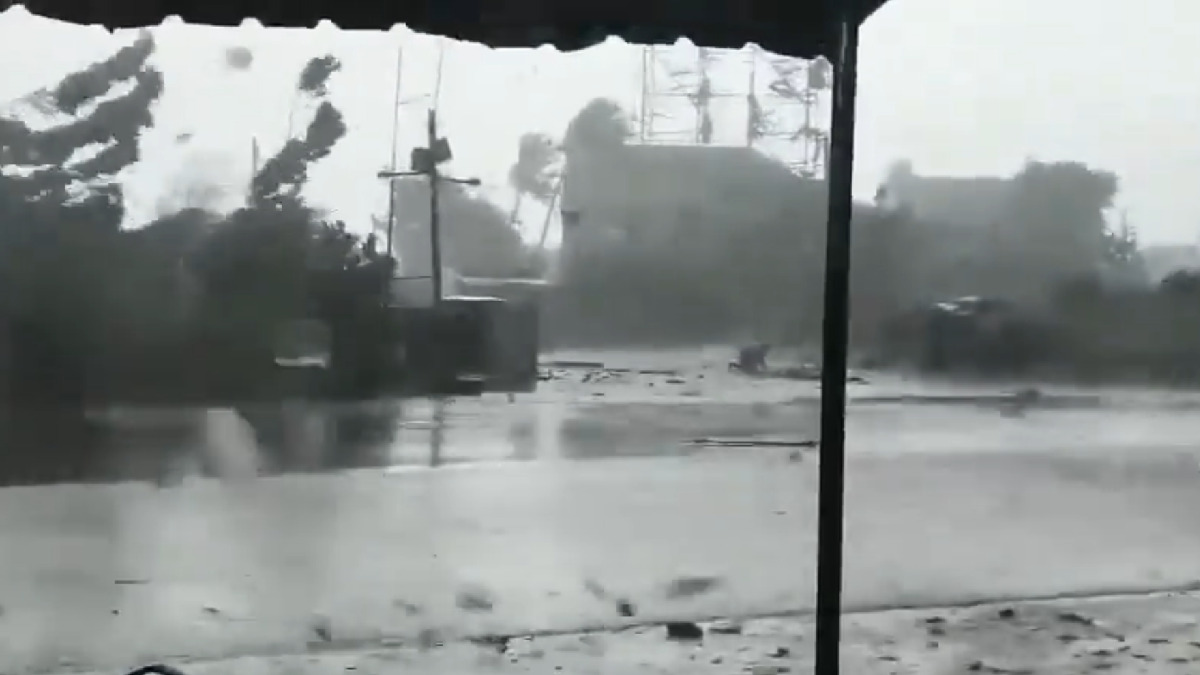
Police Rescue People Trapped in Floodwaters
In Kakinada, police rescued four people who had been trapped in floodwater close to Bombay Katta when heavy rain and seawater inundated the city. The four people were safely rescued and taken home, a district-based police statement said.
Three other people were reported stranded at the Central Water Commission godowns at Kakinada Anchorage Port after floodwater entered the premises and the electricity supply was halted. Their situation highlighted the danger of inundation in port areas and other low-lying places. Rescuing and relief efforts were going on, authorities said.
Many commuters and workers also had difficulty as fallen trees and damaged electricity lines blocked roads. Many people were unable to get to their destinations due to transport services being affected and continuous rain, which made travelling so dangerous. Akash (manager of an apparel store) said he and others were stuck in the local bus complex after transport services were suspended.
He said they began their journey around 6 am, but cars had stopped driving because trees had fallen on the roads and many roads were blocked by trees. Heavy rainfall and strong winds were causing more trees to fall and power lines to snap, worsening the situation.
Chandrababu Naidu Reviews Cyclone Situation
Andhra Pradesh Chief Minister N Chandrababu Naidu went on to discuss the situation via a teleconference at 6.15 a.m. today. He ordered officials to clear fallen trees, restore electricity when weather conditions permit and to stop tanks and canals from overflowing.
State officials had converted 609 schools into rehabilitation centres to house people evacuated from the most vulnerable areas. By 5.50 am on Wednesday, 854 people had been accommodated in these facilities. The cyclone’s effects continued to be felt by authorities in coastal districts, and relief measures were being organised as well.
Residents should avoid unnecessary travel and stay away from flooded roads, overflowing drains and other dangerous areas. Police advised people not to approach fallen power lines, not to cross flooded roads and not to be in floodwater that is so fast-moving; they say people should never approach fallen power lines and shouldn't go into the rainwater so fast. Emergency services are also on the lookout for people trapped in flooded areas and other cyclone-related incidents, and people trapped in inundated areas and any other cyclone-related problems were still on high alert.
Residents needing immediate assistance were advised to call the national emergency helpline, Dial 112, or the Kakinada Police Control Room. Rain, wind, road access and electricity disruptions were still being investigated as the landfall process continued.
If Cyclone Arnab brings severe weather to Andhra Pradesh, the immediate priority is to continue the protection of lives, help stranded residents and restore essential services wherever it is safe to do so. People are advised not to travel outside, and no one should be outside until the situation is safe; they should stay inside until conditions improve.
The government has advised people to follow official advice and take the advice of the government and not leave the city or go outside. More rainfall and strong winds can still impact coastal districts, and emergency personnel will be working closely with emergency personnel and remain at the forefront.








Comments