As part of the city’s overall plan to make sustainable transport and its ambitious climate aspirations a reality, the Delhi government has decided to stop the registration of new petrol two-wheelers from April 2028.
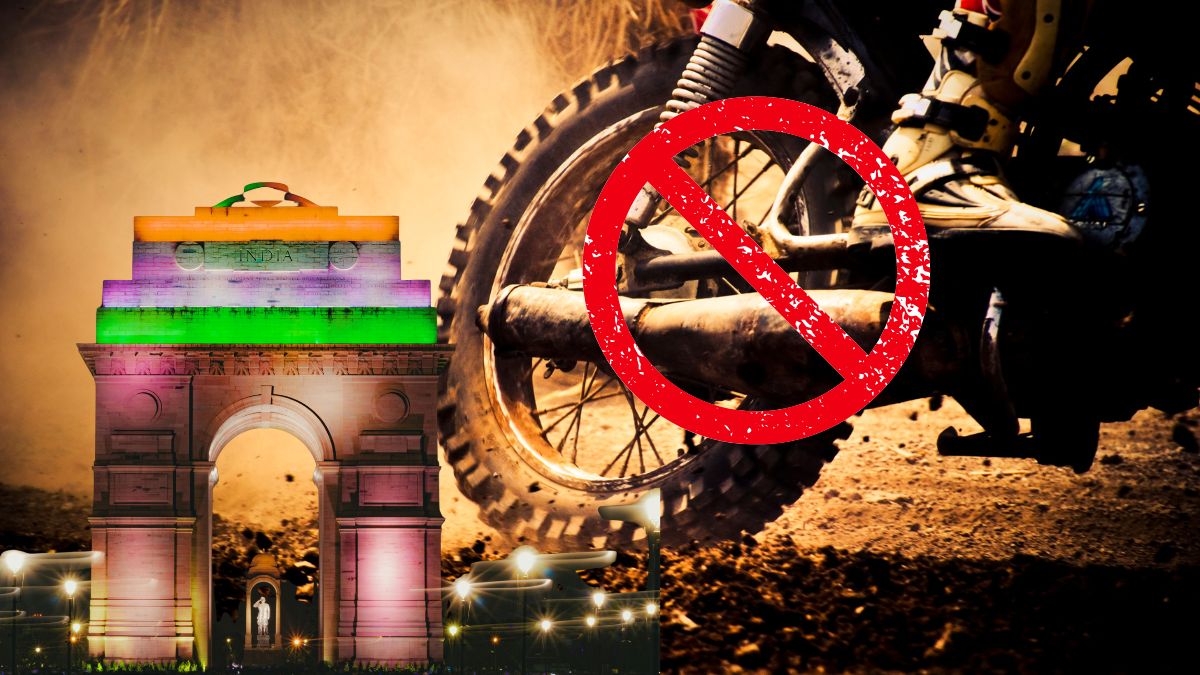
The move is in the context of Delhi's chronic air quality problems where vehicle pollution contributes to pollution levels. Two-wheelers make up the bulk of the city’s vehicle fleet: sources of carbon emissions and particulate matter. In a bid to encourage a quick move to electric two-wheelers and other eco-friendly alternatives, the government will phase out petrol-based models.
In the future, this policy will be in line with the Delhi Electric Vehicle Policy that has already incentivized thousands of residents to adopt EVs through subsidies, tax exemptions, and charging infrastructure expansion, they said. The 2028 deadline gives manufacturers, dealers, and consumers a clear path to prepare and to migrate.
The ban on new petrol two-wheelers will change the market dynamics for the future of the industry, industry experts say. The industry’s focus on new petrol two-wheelers will change the way it operates, they say, and manufacturers will be putting more money into electric mobility while dealerships will gradually phase out petrol. For consumers, electric scooters and bikes will be the default choice as charging networks grow and battery costs decline.
Environmental groups have welcomed the decision, calling it a bold step towards tackling Delhi’s pollution crisis. They argue that banning petrol two-wheelers will not only help to reduce emissions but also improve public health outcomes by reducing exposure to harmful pollutants. But there are also concerns about affordability and infrastructure readiness, and they asked the government to make sure that the use of EVs is open to all income groups.

With other measures in place to improve the city's EV infrastructure such as installing fast-charging stations at every level of the city and battery swapping technologies, the Delhi government has also promised to take steps to boost the power-sharing system, as well as support for battery swapping technologies in the city with regional efforts. “We’re talking to private players and we are even talking to them to build the ecosystem and make electric mobility easier for the public.”
Finally, the decision to stop registering new petrol two-wheelers from April 2028 is a watershed moment in Delhi’s transport policy and is very important. It is clear the problems are there to take care of and the city is committed to a healthier Delhi and to a better future for its people.