
Bengaluru is preparing for a massive infrastructure expansion, with Karnataka Deputy Chief Minister DK Shivakumar announcing an ambitious target to increase the city's metro network from approximately 96 km to 170 km by 2027. The proposed expansion is part of a broader development roadmap aimed at reducing traffic congestion, improving public transportation and meeting the needs of the rapidly growing metropolitan region.
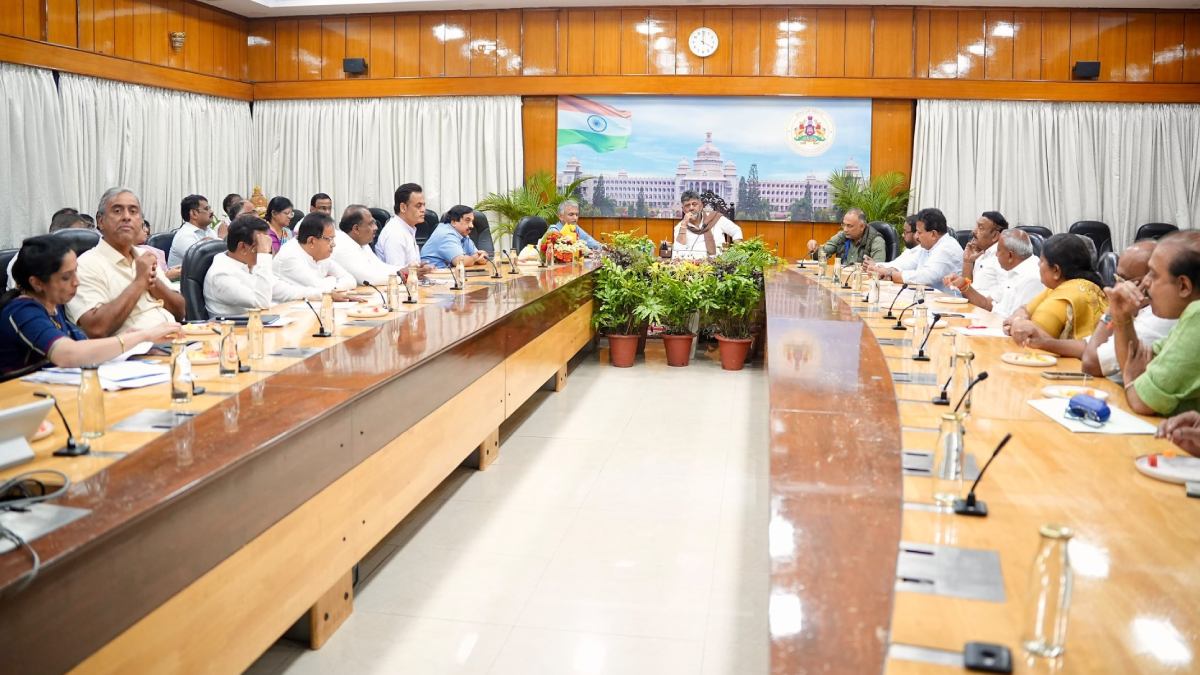
Shivakumar said in a meeting with Bengaluru's legislators and members of the Legislative Council at his official residence, Krishna, that the government is planning infrastructure projects worth ₹1 lakh crore over the next decade.
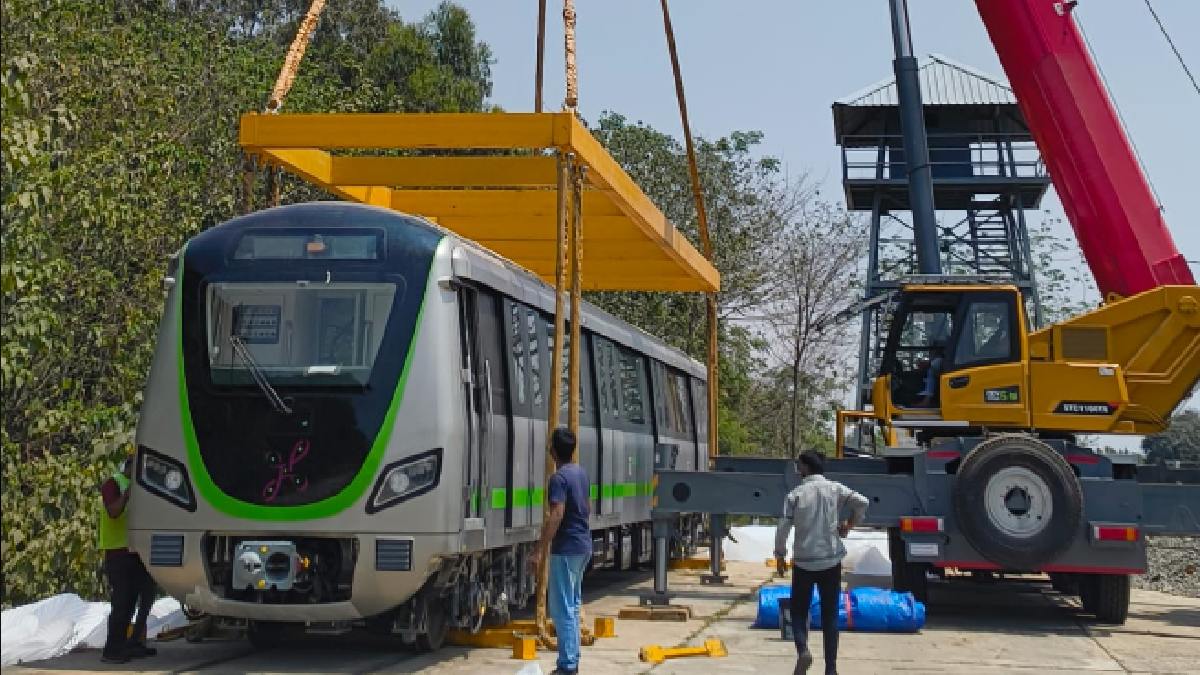
The proposals include expanding Namma Metro, adding 4,500 buses to the Bangalore Metropolitan Transport Corporation (BMTC) fleet, speeding up the suburban rail network development, digging underground tunnels and building elevated road corridors.
The government has also laid out plans for new roads, drinking water infrastructure, sewage systems and improvements in waste management.
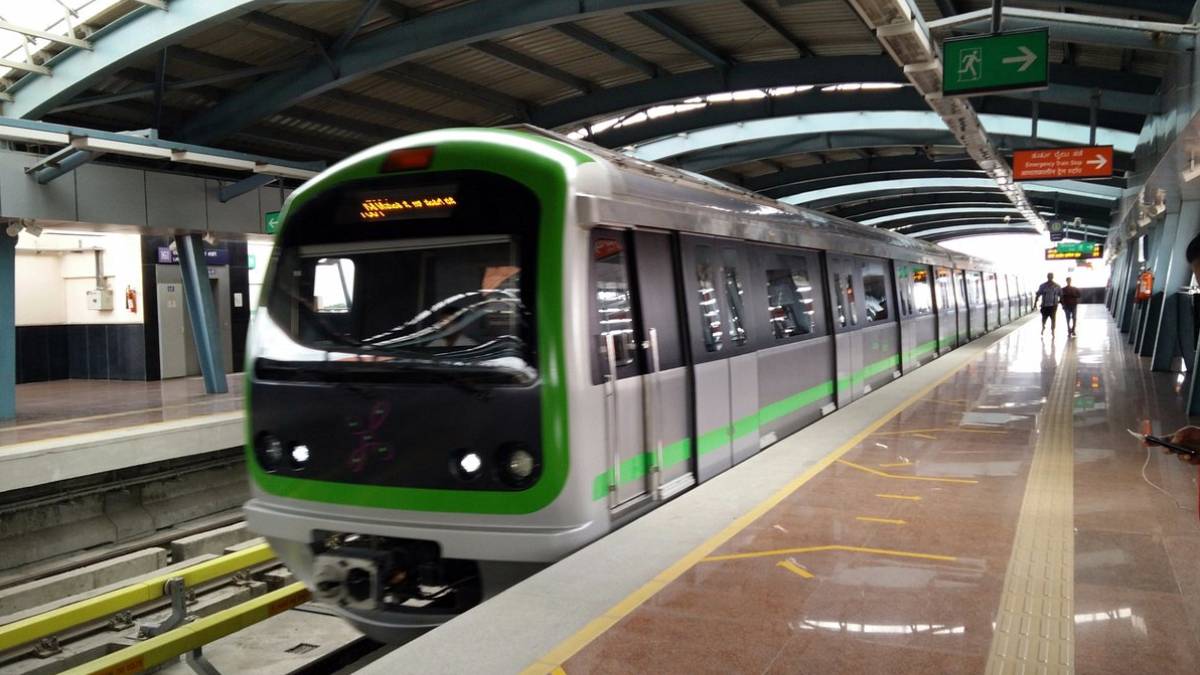
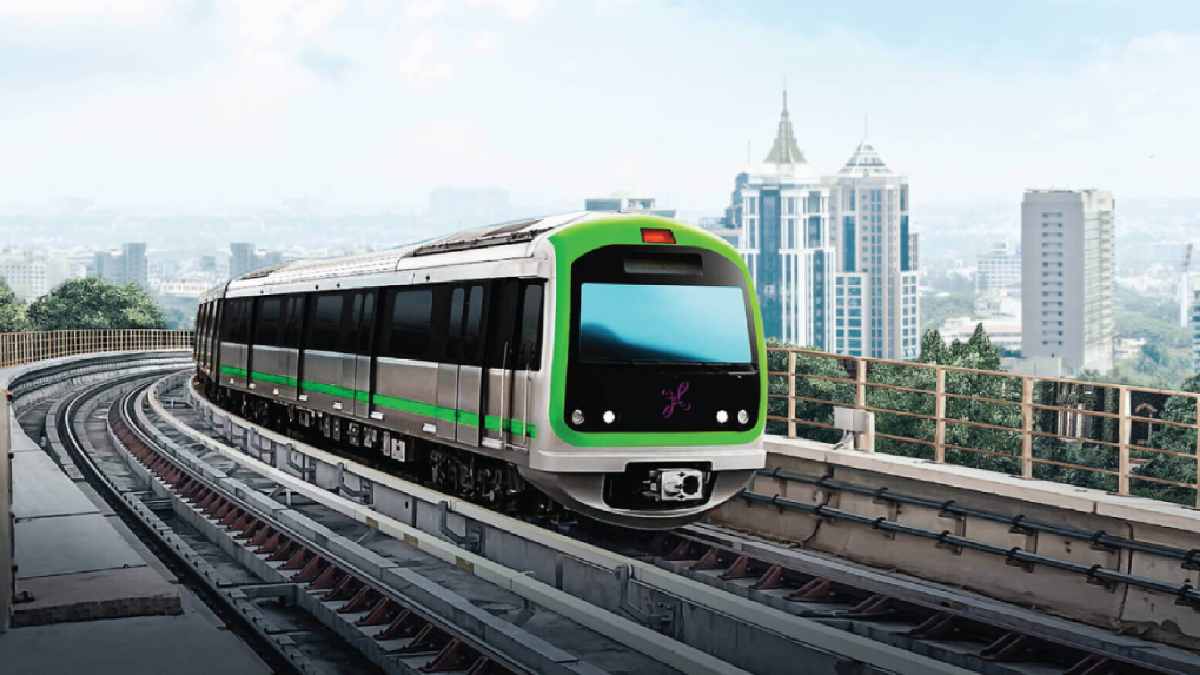
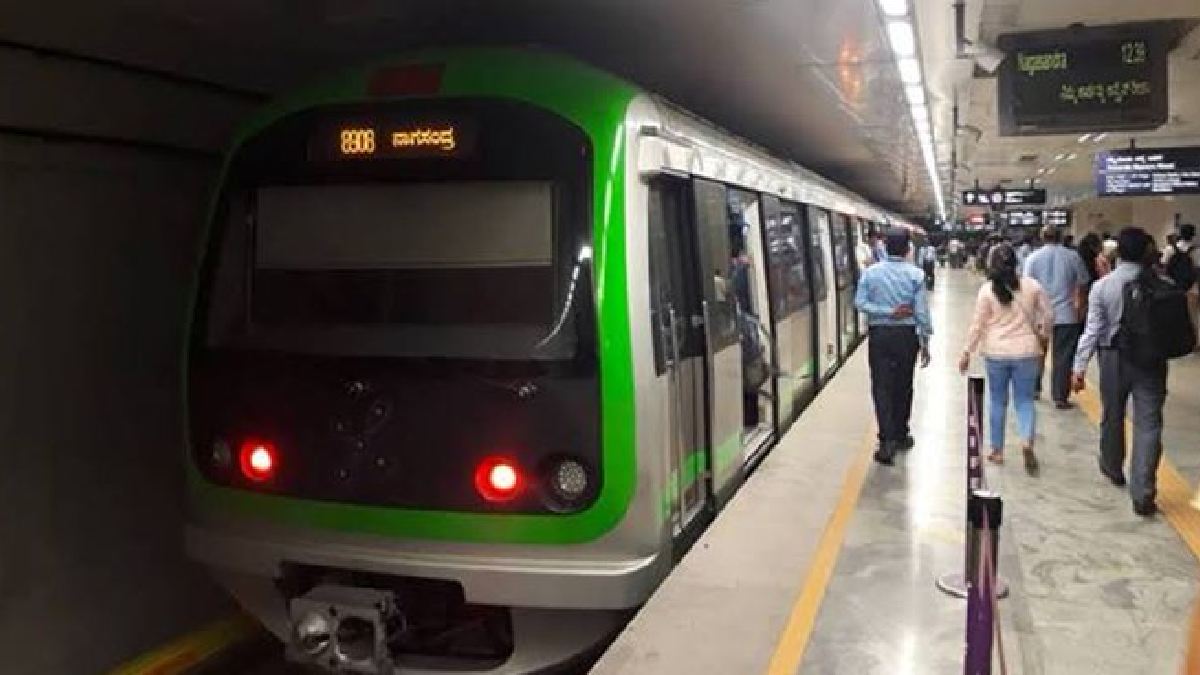
Bengaluru Metro Network to reach 170 Km by 2027
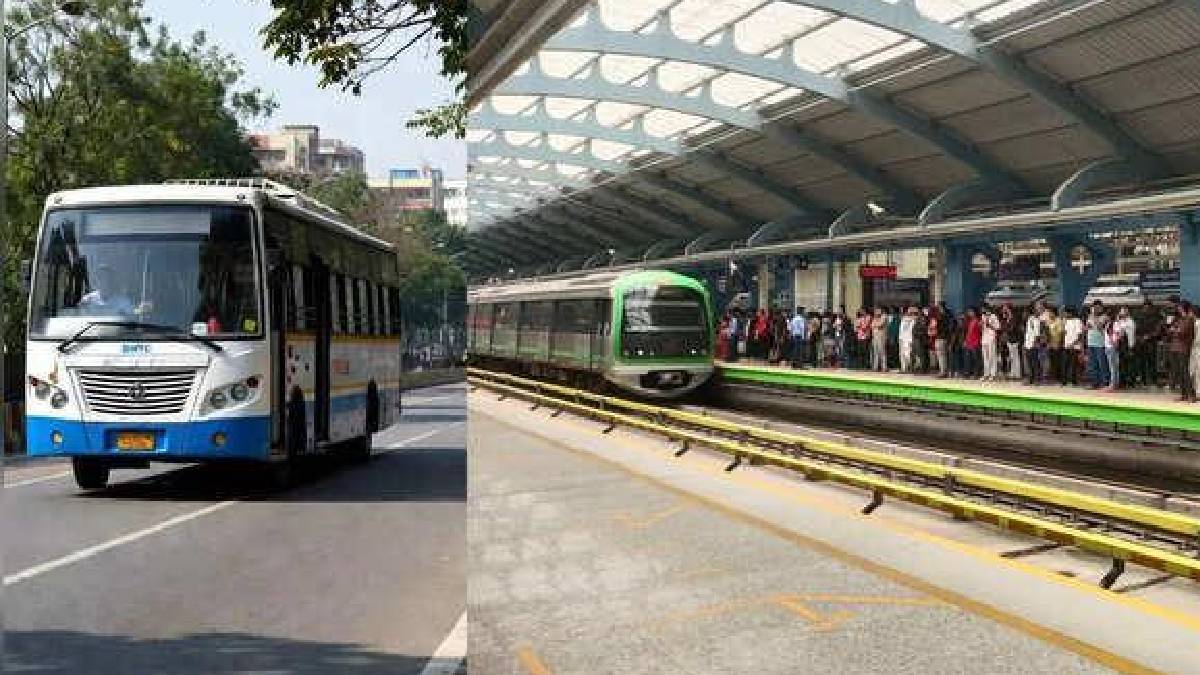
The proposed expansion of Namma Metro is one of the major aspects of the infrastructure development strategy for Bengaluru. Shivakumar said the city has only 96 km of metro network and the government aims to increase it to 170 km by 2027 with the help of this.
An expansion of the metro network will improve the connection between residential neighbourhoods, employment centers and commercial districts. A larger metro network would offer commuters far more alternative options to private vehicles, especially for the city’s daily travel.
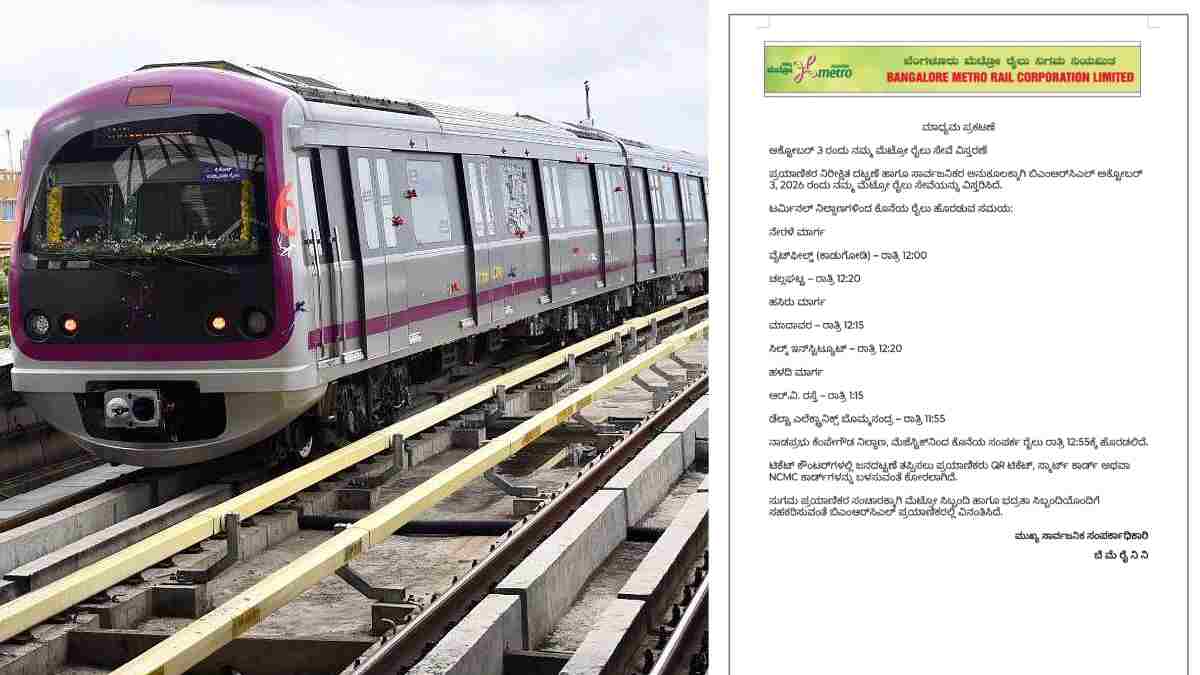
But the real progress to achieve the goal will depend on the construction schedule, commissioning time, safety approval and the completion of individual sections.
That is why the government has stressed that road construction alone will not solve the traffic problem in Bengaluru. Strengthening mass transit systems such as metro, BMTC buses and suburban railway is said to be an important step to reduce reliance on private transport.
BMTC May Add 4,500 New Buses
Along with metro expansion, the government has proposed adding 4,500 buses to BMTC’s existing fleet of about 7,000 vehicles.
The additional buses are also expected to enhance public transport for office employees, students, and daily commuters. More buses also might make for better service frequency and connections in areas that don’t have a metro connection.
BMTC remains an important part of Bengaluru's transport network, particularly for trips between neighbourhoods and the first and last legs of metro trips.
Bus service integration with metro stations and future suburban railway stations will make public transport more convenient. The effectiveness of the proposal will depend on procurement, deployment, staffing, route planning and maintenance.
Bengaluru Suburban Railway Network Targets 150 Km by 2030
The suburban railway project is another essential part of the proposed transport strategy. The government is targeting a network of approximately 150 km by 2030, according to the details shared by Shivakumar.
The system will strengthen Bengaluru and the surrounding areas by bringing people going into the city for work, education and other activities to another point to a place.
In addition, better integration between suburban trains, metro services and BMTC buses could help distribute passenger traffic across different modes of transport.
In the future, the aim is to create a more integrated public transport system as opposed to simply using roads for Bengaluru's growing population.
40 Km Dual Tunnel Road Project Proposed
The government has also proposed underground road infrastructure to relieve congestion on major arterial routes.
According to the announcement, the proposal includes about 40 km of dual tunnels that include a 16.5 km north-south tunnel and a 21 km east-west tunnel.
The north-south tunnel is estimated to cost about ₹17,780 crore, and the state government is expected to contribute around ₹7,000 crore towards the proposed development.
A separate tunnel proposal of about 2 km at Hebbal was also mentioned.
If implemented, the tunnels would provide more road capacity and alternate routes for motorists travelling through some of Bengaluru’s busiest corridors. But underground infrastructure projects typically involve huge engineering challenges, land-use considerations, environmental assessments and financial requirements.
The final impact on congestion will depend on the routes selected, the number of entry and exit points, traffic management and integration with existing roads.
120 km of elevated corridors planned
Bengaluru's infrastructure roadmap also includes a proposal to develop approximately 120 km of elevated road corridors, with an estimated investment of ₹23,165 crore.
The proposed corridors are expected to be divided into four sections. Shivakumar said tolls might not be imposed on longer stretches but only on shorter stretches of 10 km or less, as the project structure and approval are needed for that.
The government also has plans for about 500 km of additional road connectivity across different parts of the city.
Other proposals include: -
-
Around 300 km of buffer roads along drains and canals.
-
A commercial corridor extending approximately 68 km.
-
Improvements to a 17 km stretch of the Outer Ring Road.
-
Redevelopment of approximately 1,500 km of major and minor roads.
-
White-topping work on newly developed roads measuring around 18 km on the city's outskirts.
Shivakumar also referred to a proposal for a 37 km dual carriageway within the Outer Ring Road area, saying that the Centre had approved only 11 km of the proposed road development.
These projects are intended to improve connectivity and road capacity, but how much congestion is reduced by performing these projects will depend on the execution and traffic demand.
Bengaluru Development Plan ₹1 Lakh Crore
The Deputy Chief Minister said approximately ₹1 lakh crore would be required to implement new infrastructure projects over the next decade.
Rather than releasing the entire sum at once, the government aims to prioritise projects and allocate funds in phases according to their importance and requirements.
The roadmap involves transportation, road infrastructure, drinking water, sewage and other civic facilities. Funding will also be provided to constituencies based on their development needs; the government has also noted that this will be done without discrimination against individual legislators.
The Bengaluru Development Authority and Bengaluru water utility are expected to play a key role in implementing different aspects of the infrastructure programme.
Shivakumar also mentioned Bengaluru's 500-year milestone in 2027 as a reason to plan for the city’s long-term development needs.
Cauvery Water Supply and Infrastructure for 65 Outskirts Panchayats
The development roadmap extends beyond the central parts of Bengaluru. 65 gram panchayats in the metropolitan outskirts have already experienced significant urbanisation, Shivakumar said.
The government will seek to improve urban civic amenities in these areas and even move them to urban local bodies.
The improvements that can occur in this region include permanent drinking water supply, sewage, and more roads connected.
The government is also considering the Cauvery Stage VI project to address the city's growing demand for drinking water. Any expansion will need detailed planning, funding and the necessary approvals.
Improving infrastructure in the outskirts could help address the uneven distribution of civic services as Bengaluru's urban footprint expands.
GPS-Based Waste Management System Planned. Waste management is one of the other things the city is going to do to improve its infrastructure.
Shivakumar said the government had organized 33 waste collection and disposal packages across Bengaluru's 27 constituencies and tendering had been initiated for 21 packages.
The proposed system is expected to support waste collection capacity of up to 9,000 tonnes per day, subject to the deployed and operational capacity of the selected contractors.
All waste collection vehicles will be required to be equipped with GPS tracking, the government said. The government also recommended that new vehicles be used under the new arrangement and that contractors who fail to abide by their responsibilities would face action.
GPS monitoring would help in monitoring collection routes, improving accountability and identifying service gaps.
Will Bengaluru's expansion of the city’s infrastructure decrease traffic?
Bengaluru's infrastructure roadmap would combine public transport growth with significant road construction. The metro target of 170 km by 2027, the planned 4,500 BMTC buses and the planned suburban railway network would give commuters a new option to commute by rail over private vehicles.
At the same time, tunnel roads, elevated corridors and new road connections are intended to improve traffic movement on major routes.
The outcome will depend on funding availability, project approvals, construction timelines and coordination between government agencies. Just as important will be the quality and frequency of public transport services, pedestrian access and the integration of different transport systems.
If Bengaluru residents are to be able to take these proposals and translate them into things like reduced commuting times and better mobility, then the key question is how they can be implemented at the level of getting these proposals to work in the first place, and how we can make them work for Bengaluru people.
The ₹1 lakh crore roadmap sets out the government’s broad ambitions for the coming decade. The stated targets can only be achieved with sustained investment, proper project management, and transparency in progress reporting.



Comments