
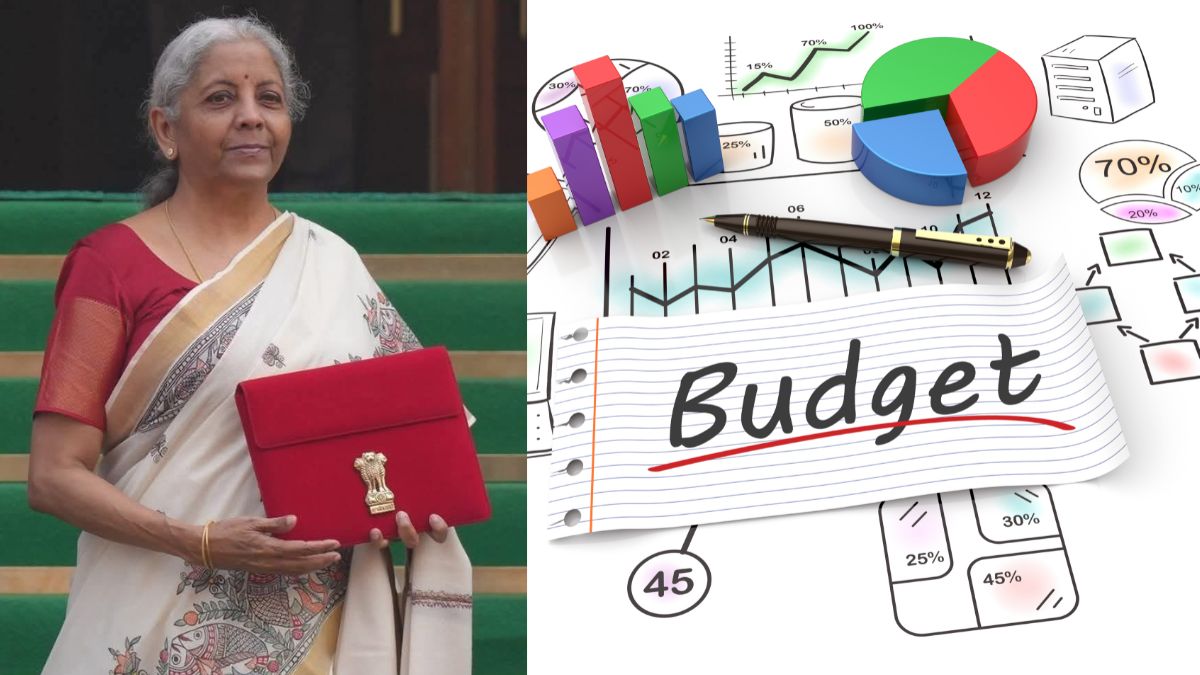
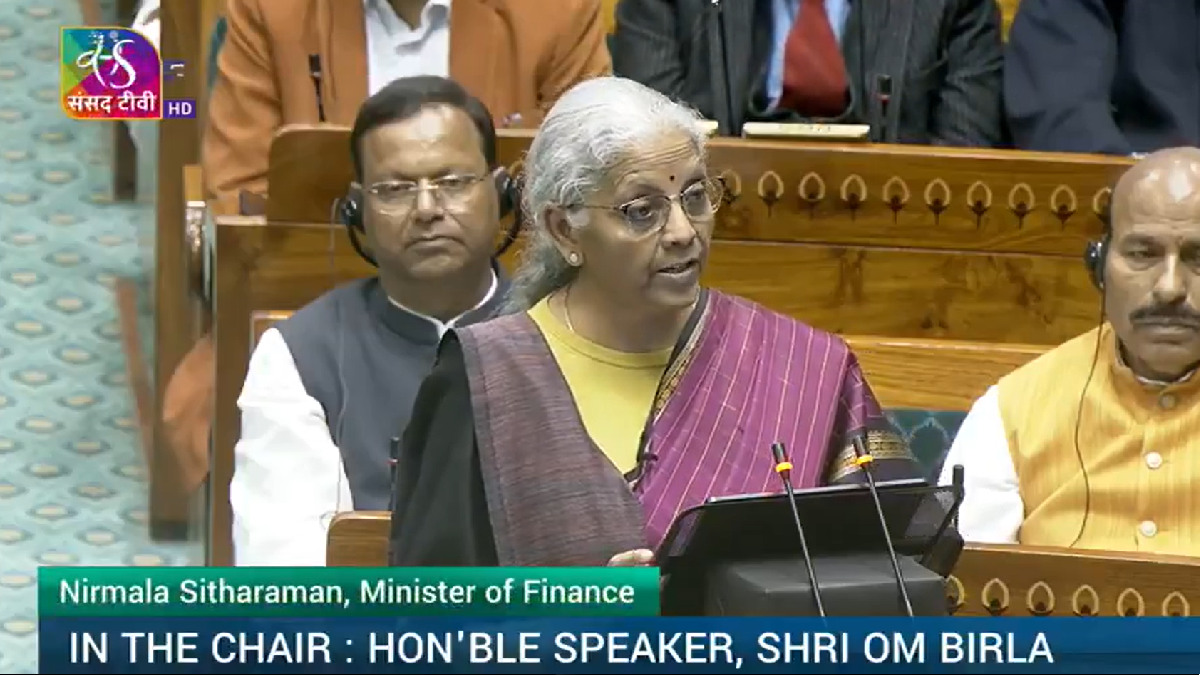
As Finance Minister Nirmala Sitharaman gears up to present the Union Budget 2026 on Sunday, February 1, everyone is focused on the fiscal blueprint for the "Aam Aadmi's" pocket. Following the landmark 2025 Budget that saw income of up to ₹12 lakh tax-free, announcements this year are likely to centre on fine-tuning consumption, supporting local manufacturing, and relief from medical inflation. The main items and sectors likely to generate price fluctuations with the direction of industry needs and pre-Budget movements will be taken from the official list disclosed to Parliament.
What Could Be Going to Be Cheaper for You Next?
Mobile Phones and Electronics: To encourage 'Make in India' policies, the government could also cut customs duties on imported components like camera modules, sub-assemblies, and open-cell panels for televisions. The result could be a 3-5% decline in prices for smartphones and LED TVs.
Electric Vehicles (EVs): The efforts are at the highest to harmonise GST on all EV components to a uniform 5%. If implemented, lithium-ion battery packs and EV spare parts will be cheaper and that will reduce the overall cost on electric two-wheelers and cars.
Health Insurance: As medical inflation intensifies, there are substantial hopes that the GST on health insurance premiums (currently 18%) will be slashed or even waived for senior citizens, making insurance far cheaper.
Cancer Medicines: Following trends from previous years, the government is projected to exempt more life-saving oncology medicines from basic customs duty.
CNG and PNG: Central tax reforms are expected to deliver relief to household kitchens and urban commuters on natural gas.
What Could Become Costlier?
Cigarettes and tobacco products: Since the "Sin Tax" target date is already set a few months away, the NCCD on tobacco is expected to increase, which should raise the cost of cigarettes including smokeless tobacco by 5–10%.
Fully Imported Luxury Cars: In order to protect domestic luxury manufacturers, the government could raise the basic customs duty on Completely Built Units (CBUs), making high-end imported SUVs and sedans more expensive.
Private Jet and Yacht Travel: Luxury travel and high discretionary services may see higher cess since the government wants to finance social sector programs.
Non-essential plastics and metal scrap: Rising duties on some imported plastics and stainless steel scrap which should incentivise domestic recycling and production will also seem a possibility.
The Tax-Factor: Income and Savings
And it is not just with physical goods that your "disposable income" may change:
- Standard Deduction: Experts estimate that will jump from ₹75,000 to ₹1,00,000 making it so that more cash is placed in the pockets of salaried employees.
- LTCG Relief: Investors are looking forward to an increase in the LTCG tax-free limit from ₹1.25 lakh to ₹2 lakh.







Comments
Leave a Comment