New Delhi to meet forecasts for industries, and also with taxpayers, as the Union Budget 2026 approaches in sight. Against the backdrop of a world-wide economic turbulence, which means economic growth is yet an ongoing need and many stakeholders are already seeking to see Budget 2026 through an investment reform lens, as the government looks to reduce its tax burden, streamline compliance costs, encourage investment and consumption with budget releases (to be prepared to meet the tax obligations of government by 2026).
Expectations are diffuse, falling from individual taxpayers as far as MSMEs, to capital-intensive sectors. Here’s a summary of the primary needs, and some suspected policy trajectories, that could inform the coming budget.
Individual Tax Savings and Personal Tax Relief
Tax relief of individual taxpayers is one of the top demand items for the Budget 2026. Some reforms from the State Bank of India (SBI) to induce household savings (fairer tax treatment for bank deposits, insurance, and pension products) have been proposed. Of the three recommendations one is that the interest income earned on bank deposits would be commensurate with long-term and short-term capital gains tax. That would increase the attractiveness of the traditional savings instruments, especially for the middle-class and elderly.
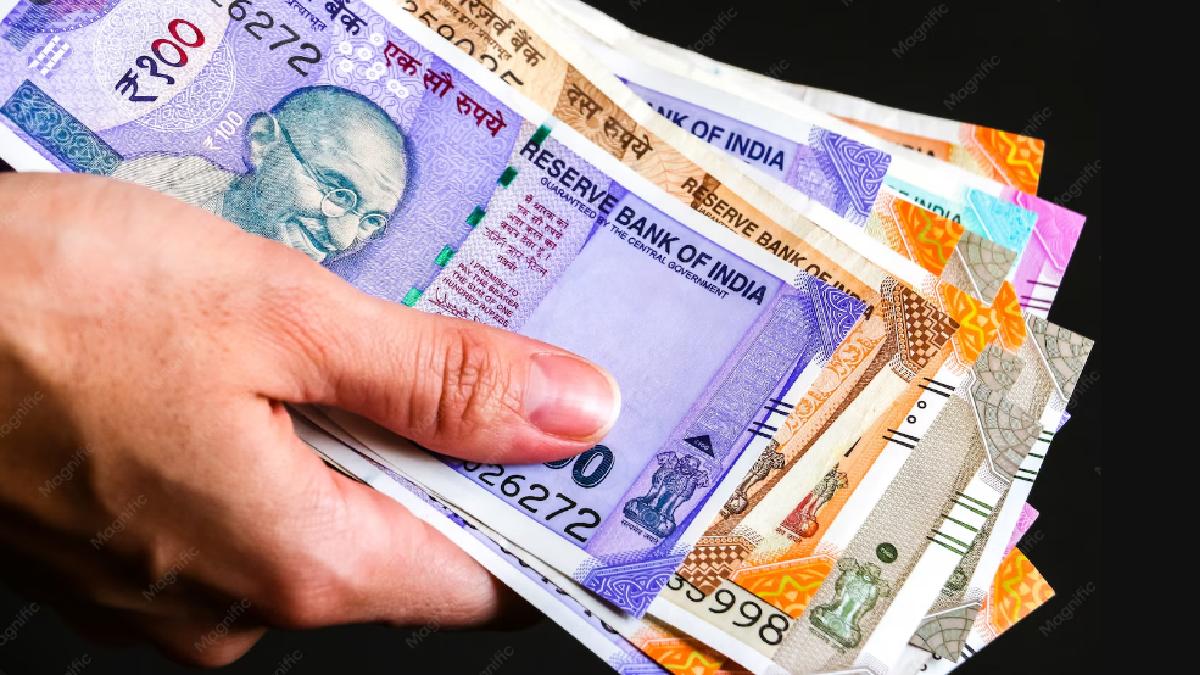
They are looking to see such a salary-related standard deduction raised under the new tax regime, which now totals ₹75,000. Increasing the limit would result in increased disposable income and reduce inflationary pressures.
Expectations of the Industry
Data Centers
The global data centre industry wants to see clearer relief in tax and regulatory relief as India becomes a global data hub. Some of the key requests include full GST input credit for building data centers, and electricity systems, which in India have received less than half the tax treatment and should be further guaranteed to spur the country’s potential capital investment into digitalisation.

Jewellery Sector
The gems and jewellery industry is calling for the import duty of gold, silver, platinum, and others, to be rationalised. Exports suffer higher costs and become less competitive. A calibrated reduction could also consolidate domestic demand, stimulate exports, and raise income at the end of the cost chain.
MSMEs
Micro, small and medium enterprises are still the bedrock of employment generation in India. A targeted cut in corporate tax for small profit-making firms, particularly where their profit after tax (PAT) is below ₹1 crore, is often discussed. And that relief could improve cash flows, encourage reinvestment and accelerate job creation.
The GST and Other Indirect Tax Reforms
Firms remain interested in simplifying GST. These entities seek amendments in CGST Act Section 15(3)(b) to limit the interpretational disputes, the procedural complexities regarding discounting and valuation. Another important expectation would be removal of Section 13(8)(b) of the IGST Act. Repeal of this would move the act at the place of supply for intermediary services to the place of the receiver to align the country’s GST with the global tax system, and encourage competition among service exporters.
Infrastructure, Agriculture, and Health
Infrastructure Spending
Increased public infrastructure spending -- roads, railways, logistics and energy -- will likely be a core component of Budget 2026. For those reasons, such investments will have a large multiplier effect—crowding in private enterprise and economic growth.
Rural Reforms
Rural consumption is also an emerging area of focus. Stakeholders want reforms — like single window clearances, 24×7 warehouse operations and better rural infrastructure. These are the steps that will help reduce agricultural waste and protect agricultural supply chains, and raise farmer returns.
Healthcare
Healthcare needs that consideration, too. Higher tax benefits for preventive care; greater insurance deductions and broader public funding of health infrastructure — it could make things more efficient, affordable and improve long-term productivity.
Looking Ahead
The Union Budget 2026 – to take place on 1 February 2026 – will detail the government’s priorities with regards to the economy in the following 12 months. Balancing fiscal responsibility with reforms to spur growth is still vital. Whether it is fiscal relief for individuals, streamlined compliance for enterprises or specialized concessions for big industries, Budget 2026 is full of hype.
How well such demands are achieved will impact sentiment in all industries — and if so, whether India will have confidence heading into the next phase of economic development. So it will not be until Budget 2026 to deliver relief, reform, or restraint.