
The Business Perspective on World Tax Systems. Taxation is the primary pillar of business strategy, in this international world market. A company that wants to participate to the government of other countries and or to invest in the future or to introduce itself internationally – companies should have a knowledge of overseas taxes in order to prevent incurring the risk, comply with global laws and to generate income that supports long-term goals.

Tax and Corporate Growth
Corporate taxation primarily taxes business profits. Startups, MNEs and foreign direct investment tend to flock to countries with lower, clearer and more predictable corporate tax regimes. Many developed countries also tax comparatively more than poorer ones to fund the provision of public facilities and social services and Singapore, Ireland, and the UAE are known for having favourable tax climates for businesses.
Tax breaks, special business zones
Tax breaks are far from the only useful instrument that the world’s governments have to promote growth. Namely: tax holidays, a reduced tax rate and investment deductions or exemptions. Tax breaks such as these — on top of the state’s mandatory tax incentives — could also make things even better for companies that already face serious tax challenges. Programs such as Special Economic Zones (SEZs) and Free Trade Zones or Startup Incentive Programs stimulate innovation, manufacturing, exports and jobs.

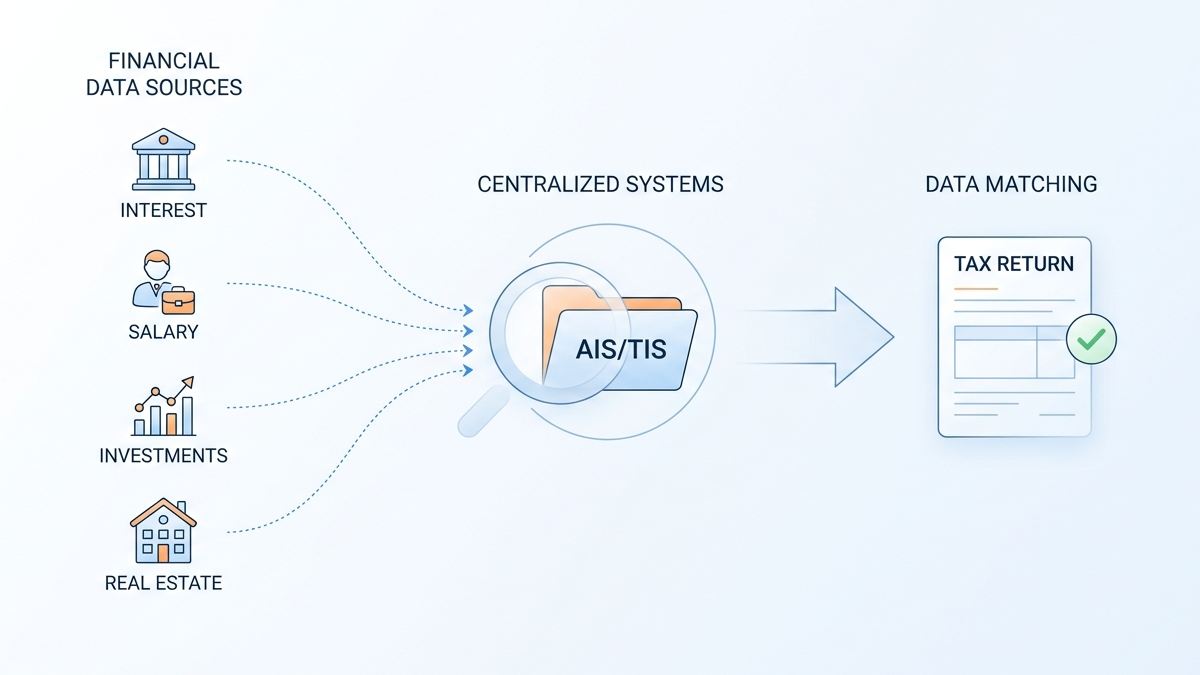
The first one is the indirect taxes through taxation and market strategies: indirect taxes, taxes where people are taxed less in the final price. Indirect taxes; GST, VAT and Sales Tax, are that which affect product pricing and consumer demand. These taxes are a reflection of a firm’s investments. Taxes that businesses must factor into their pricing models in order to stay competitive, without cutting into any of their profitability. The crucial method involves the efficient indirect tax planning to mitigate cash-flow mismatches, compliance risk — and pricing misalignments.
Capital gains tax can affect businesses' owners and investors as they go about selling assets, merging, buying or going out. Lower – or preferential–capital gains tax rates stimulate reinvestment and hence lasting economic growth in countries. This is particularly true for startups and founders, private investors just about to quit.
International corporate has very complex global tax rules that are relevant such as transfer pricing regulations, double taxation avoidance agreements (DTAs) and reporting regulations. There is a solution with the right tax structuring and it means no double taxation, good compliance and protection for doing business anywhere in the world.
Conclusion
Low taxes cannot be the basis of a business friendly tax system. They are, too, transparency, compliance ease, regulatory clarity, and government support. Companies that appreciate and understand the different ways global structures work will be better placed to optimize income and minimise costs, while building a solid foundation on which to support their own prosperity: a fundamental aspect of what long-tail growth is all about.
World Tax Systems & Wealth Quadrant: An investor-centered worldview
How income is earned can influence how it is taxed — and, ultimately, how much wealth can be created and to whom — and also how it gets taxed. Robert Kiyosaki’s Wealth Quadrant (Employee, Self-Employed, Business Owner, Investor) not only details sources of income, but also how tax regimes across the globe encourage or limit those groups. Understanding this alignment is critical to creating wealth for the long haul.
Employee (E): You shall be Earn First, Tax First.
Employee salaries are fixed and often taxed at source. The employment tax rate is the highest and least flexible among the income tax rates in most countries. Though an employee job guarantees income security, few loopholes, little discretion over taxes prevent wealth from rising. Internationally, the greatest contribution of tax is borne by employees and few instances of opportunities to optimise are given and few opportunities for the optimization.
Self-Employed (S): More Control, Greater Responsibility
Individuals who are self-employed have more freedom in the home, but are still fully accountable for taxes. In many tax systems you can deduct costs of your business; but their income will still be taxed on an individual basis at personal rates. But without scalable systems, incomes are still time-connected - so growth withers and tax efficiency is hobbled.
Business Owner (B): System Builders & Farmers for Tax Savings
Business owners operate under schemes where income is taxable after expenses, and not before. Through corporate tax credits, tax relief, depreciation credits, incentives and economic zones the country encourages the global business. These tools enable entrepreneurs to limit their tax liability and use profits to grow, invent new businesses and create jobs.
Investor (I): Capital at Work, Reduced Tax Exposure
It is the investors on the wealth quadrant who enjoy the most tax benefit. In the vast majority of tax jurisdictions, capital is favored over labor and those earnings can be paid at attractive rates, excused or delayed, which include (but are not limited to) capital gains, dividends, interest and rental income. Many investor-friendly countries offer lower or no tax on a corporation’s long-term investment income, accelerating wealth compounding.
International Tax Strategy for Investors
Strategies to tax in strategic investors review jurisdictions in the context of capital gains tax, double taxation treaties, financial stability, and regulatory clarity. Countries such as Singapore, UAE, and Switzerland attract worldwide investment because they maintain capital protection; encourage long-term investment; and provide predictable tax regimes on their residents’ money.
The Shift in Wealth: From Earning Income to Asset-Based Income
True financial independence is achieved by transitioning from the income taxed on time and effort to income generated by systems, assets, and capital. Wealth grew quickest in all four quadrants, but for all people, money matters no matter what period.
Conclusion
Well-off people don’t just pay taxes — they deploy them strategically. Where global tax systems do regularly reward business owners and investors who know exactly how money flows and how money forms. It enables people to reduce taxes, improve asset yields and generate wealth by picking the right type of income when taxed and the right wealth quadrant, which enables them to reduce taxation due to the legal capitalization of assets and expansion of assets from there.









Comments