
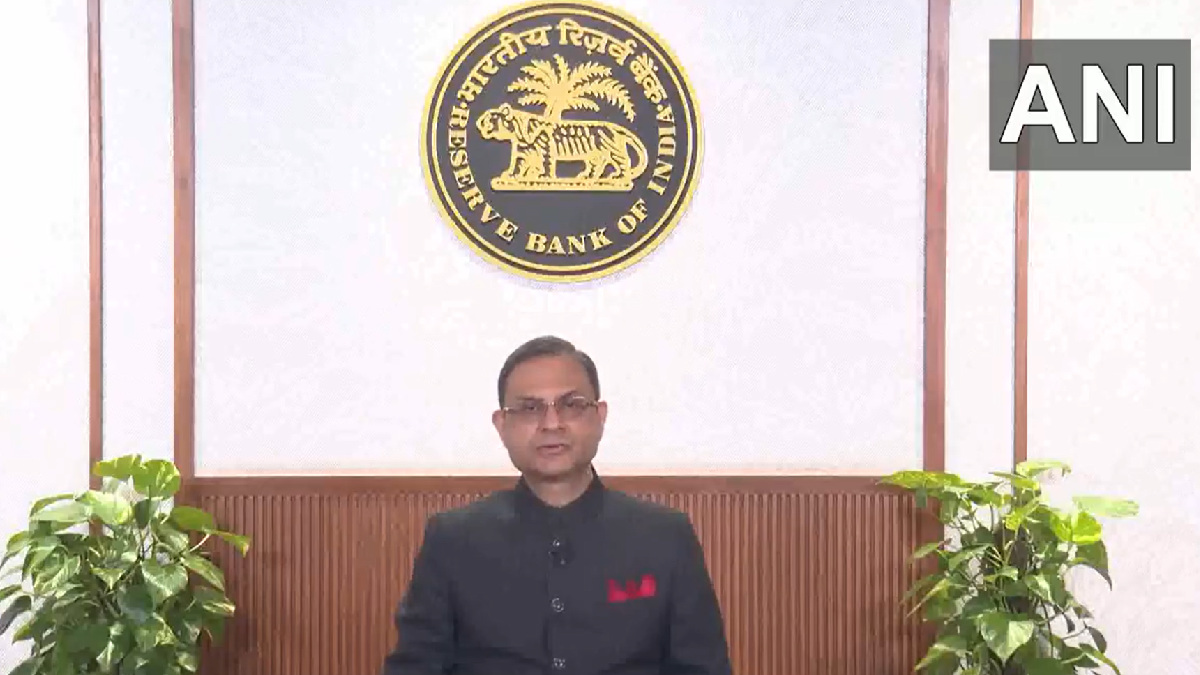
The RBI has now revised up its CPI inflation forecast for the financial year 2026-27 to 5.1% from 4.6% in its inflation forecast made in October, according to RBI Governor Sanjay Malhotra at the recent Monetary Policy Committee (MPC) meeting, in view of rising global commodity prices and inflationary pressures.
The inflation forecast has soared at a time when the global economy is in a state of extreme turbulence with high crude oil prices, geopolitical tensions, supply chain disruption and currency shocks. The RBI's new view suggests that inflation may persist above the central bank's earlier view for much of the current fiscal year.
Crude Oil Prices Drive Inflation Concerns
One of the major reasons behind the upward revision is the sharp increase in global crude oil prices. India imports a fraction of its crude oil requirement, and so it is very much exposed to fluctuations in international energy markets.
Higher crude oil prices directly affect transportation, manufacturing and logistics costs, which in turn translate into higher prices for goods and services. Rising fuel costs also lead to higher household expenses and put stress on consumers who are already saddled with high living costs.
The RBI warns that sustained increases in energy prices may continue to impact inflation trends in the next few quarters (and will be affected if geopolitical tensions persist and disrupt global supply chains).
Quarterly Inflation Projections Revised
As well as the annual forecast, the central bank also revised its quarterly inflation estimates upward. The RBI expects inflation to be high throughout the fiscal year as businesses pass on higher input costs to consumers.
Economists feel the updated prediction is a realistic assessment of the risks facing the economy because the global energy markets and external economic conditions are not clear, and the global economy is uncertain at present.
Impact on Consumers
A higher inflation forecast means that the prices of everyday goods and services could continue to rise over the coming months. Food, fuel, transportation, housing and essential household items are among the categories most likely to be affected by persistent inflationary pressures.
To consumers, that could mean lower purchasing power and higher monthly expenses. And so households will probably have to make a greater investment in things such as essential spending, leaving less room for discretionary purchases.
What it means for interest rates
The RBI's inflation outlook is closely tied to its monetary policy decisions. The central bank has so far held the repo rate at 5.25%, but higher inflation forecasts may influence future policy decisions if price pressures continue to rise.
If inflation remains elevated, a sustained rise in inflation could limit the RBI's ability to reduce interest rates and could even push monetary policy tighter if inflation is well above the central bank's comfort zone. For now, policymakers are neutral, allowing them to respond to changing economic conditions.
Growth Versus Inflation Balance
The latest projections underscore the delicate balancing act policymakers are in now. While inflation is now a big concern, the central bank also has to assist the economy with uncertainty and inflation and growth are on their way up.
In the same week, the RBI revised India's GDP growth forecast for FY2026-27 downwards, in a sign policymakers are concerned about growth and inflation risks. The challenge will be to contain price pressures without weakening the economic momentum.
Outlook Ahead
And with the revised inflation forecast of 5.1%, the RBI will have to contend with price pressures as the Indian economy is in a critical situation in the months to come. Much will depend on global crude oil prices, supply chain stability, exchange rate movement and domestic demand.
Inflation is one of the central bank's primary concerns, and hence businesses, investors and consumers will keep an eye on future RBI policy announcements to get a sense of how long it takes the central bank to keep prices stable while maintaining a better economic growth trajectory.








Comments