
Iran is experiencing its worst economic crisis in decades and is experiencing annual inflation levels not seen since World War II, the country’s central bank said on Thursday. The statistics show just how much the financial strain on millions of Iranians, already weighed down by skyrocketing prices, a weakening currency and uncertainty from ongoing regional unrest, is mounting.
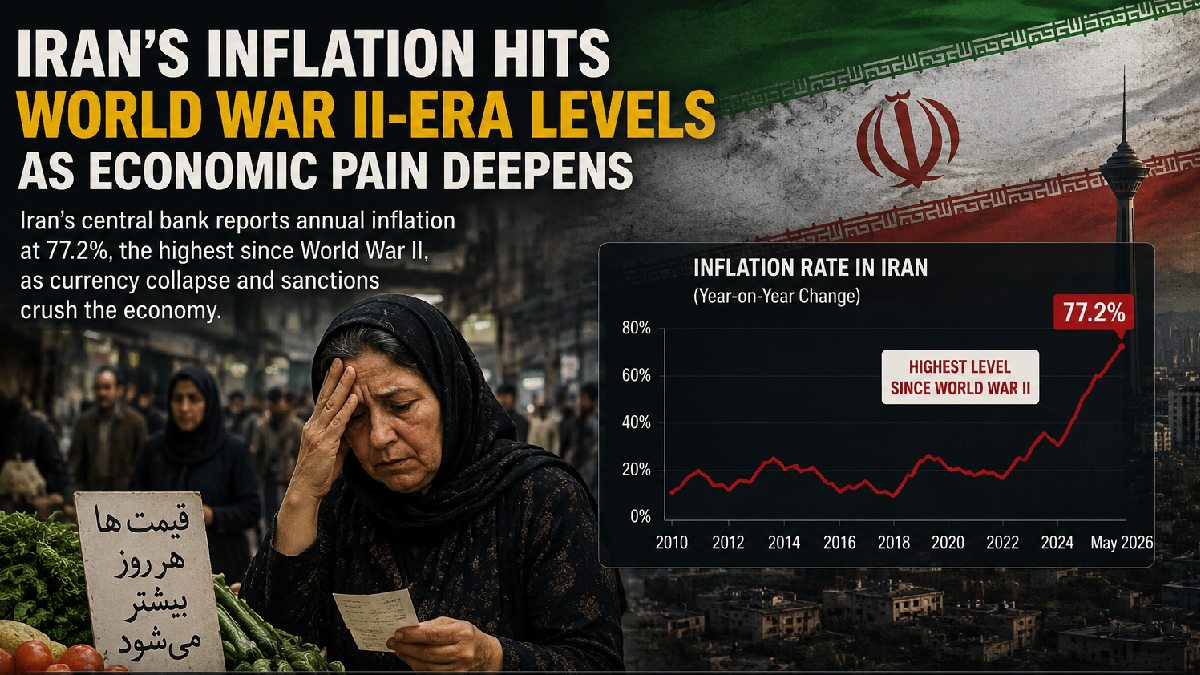
The Central Bank of Iran reported that the country's consumer price index rose 77.2% from a year earlier in May. And the inflation rate was 8.5% higher in May than in April, indicating a sharp acceleration in price growth. The main concern was the rise in daily necessities - medicine, transportation, communication services and tobacco - 113% year-on-year.
Economists say the figures represent the worst inflationary environment Iran has experienced since 1942, when wartime disruptions caused widespread shortages and economic turmoil. The new numbers, a private Iranian economic think tank said, were unprecedented in the post-World War II period.
Currency Collapse adds to Economic pressure
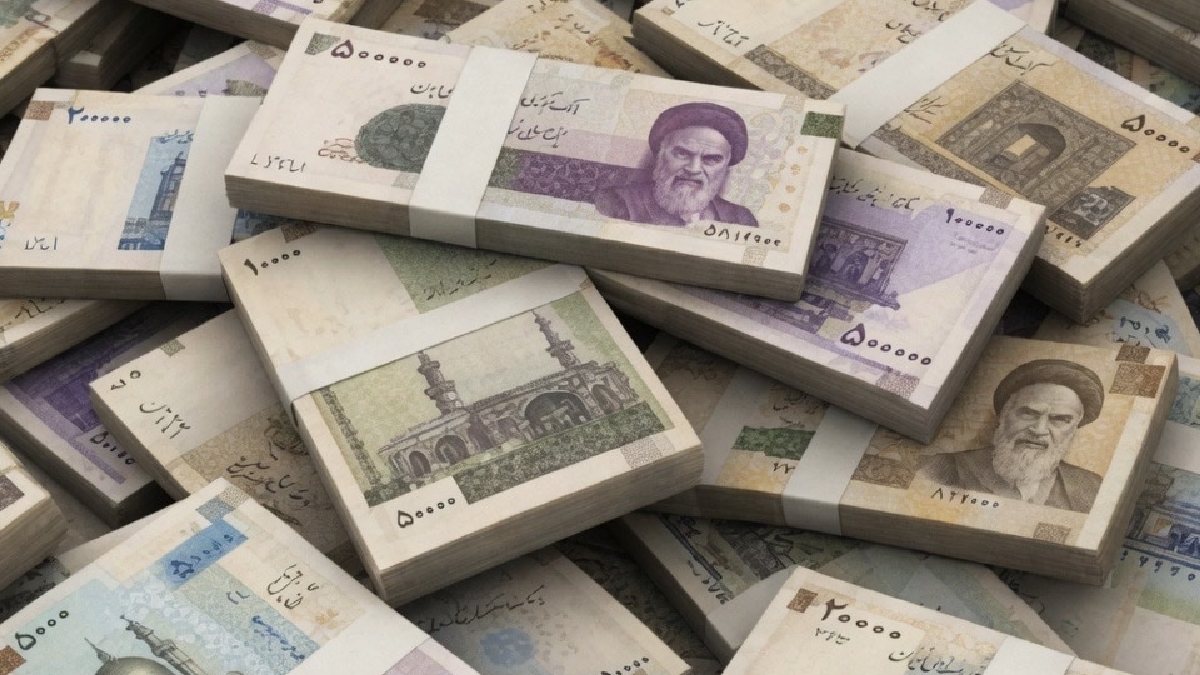
At the heart of the crisis is the sudden collapse of the Iranian rial. The currency in 2015 was about 32,000 rials to dollars, and now it is over 1.7 million rials to dollars and much more expensive for the average citizen.
The central bank’s report is widely thought to be the first official acknowledgement of the extent of economic damage that many Iranians have been experiencing firsthand. Rising costs have impacted nearly everything in everyday life, such as grocery shopping, health care costs, transportation and housing.
Conflict, sanctions and structural problems
There are various reasons for inflation, such as those that analysts believe are many. The continuous geopolitical tension, economic damage caused by recent wars and recent military conflicts, international sanctions, economic mismanagement and corruption, and old problems like economic mismanagement and corruption have all added up.
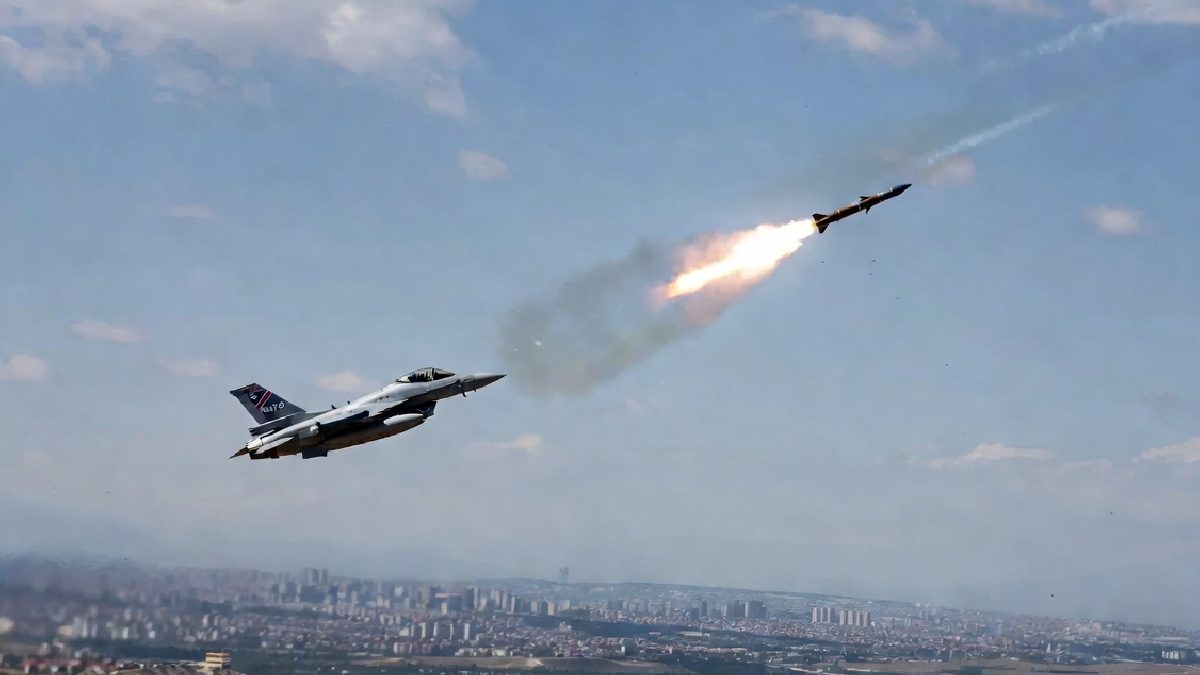
Iran’s oil-dependent economy is also under pressure as restrictions on crude exports have restricted access to vital foreign currency revenues.
President Masoud Pezeshkian is clear that prices will rise further in the future, and the cost of economic concessions will have to continue as the country is confronted with external and internal pressures.
Fears of Renewed Social Unrest
Economic hardship has historically led to protests in Iran. Higher food prices caused national demonstrations in 2017 and 2018, and higher fuel prices led to mass protests in the following years. Currency-related protests have also been a response to growing public anger with the country’s economic direction.
If inflation continues to rise, social tensions could increase. Tehran-based economist Saeed Leilaz warned that annual inflation could be 80 per cent, and Iranian society may be unable to adjust to this level of price increases without severe social costs.
At a time when inflation is at historic high levels, the value of the rial is decreasing, and there is uncertainty of regional security, the economic prospects of many Iranians are bleak. In Tehran, stabilising prices and restoring public confidence will most likely be the most pressing challenges in the months to come.





Comments