
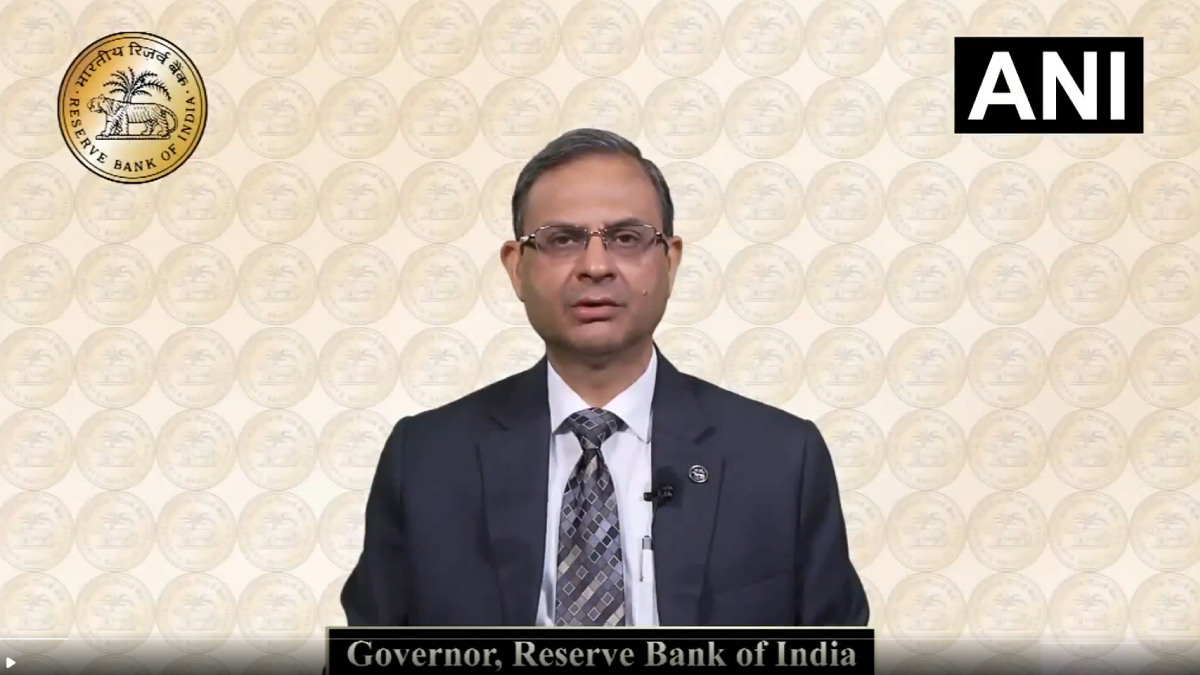
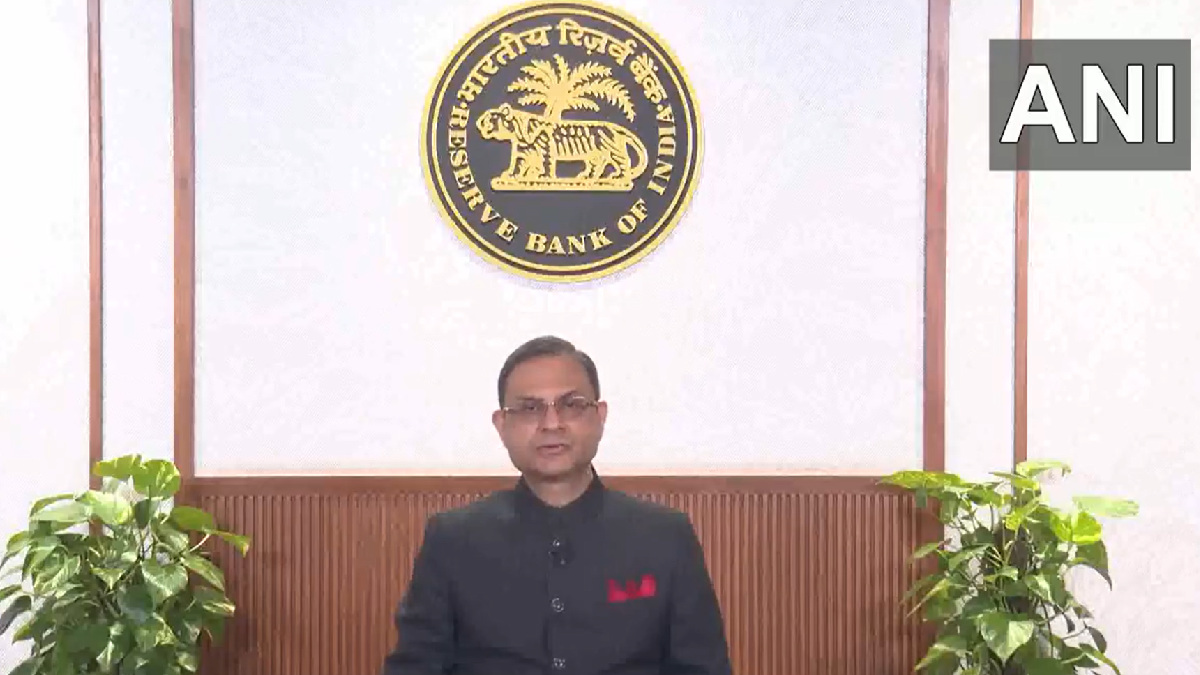
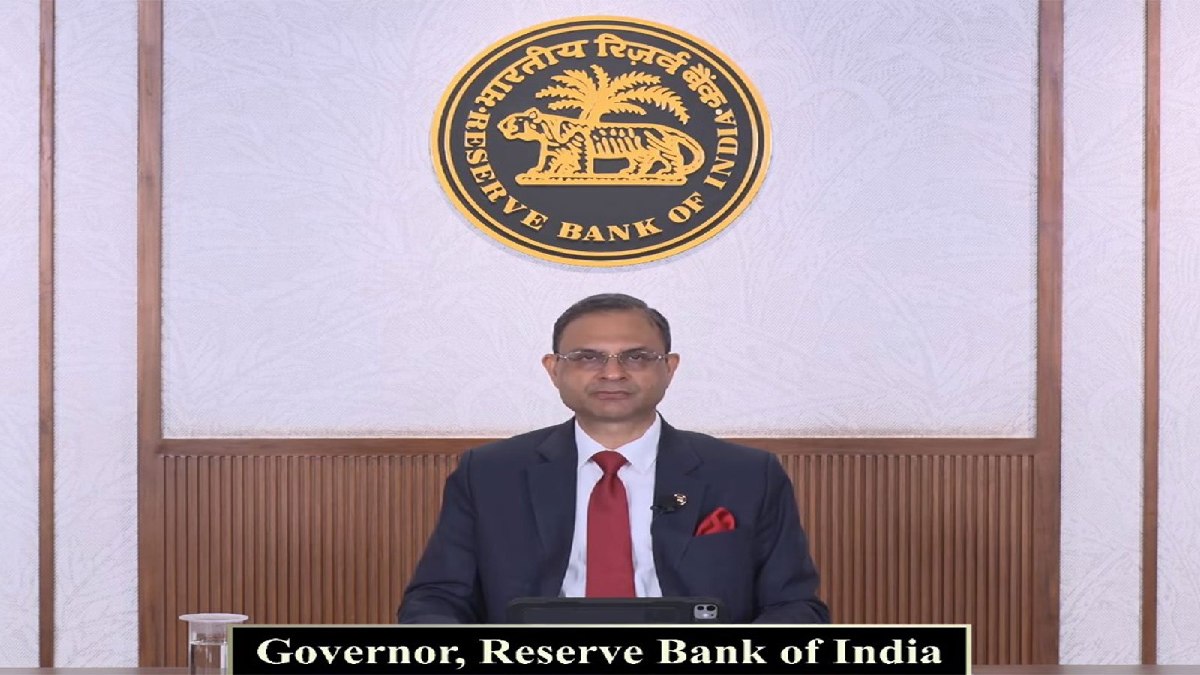
The Reserve Bank of India's Monetary Policy Committee (MPC), chaired by RBI Governor Sanjay Malhotra, has decided to keep the benchmark repo rate unchanged at 5.25% as it met yesterday and kept its "neutral" policy stance in line with inflation concerns, rising crude oil prices and global economic uncertainty.
The decision comes as a relief for millions of borrowers across the country who were worried about a possible increase in interest rates. Since the repo rate is the rate at which commercial banks borrow funds from the RBI, any change in this benchmark directly impacts lending rates and ultimately monthly loan repayments or EMIs.
There is no immediate change in EMIs
With the repo rate unchanged, borrowers with floating-rate home loans, car loans, and personal loans that are linked to external benchmark lending rates will probably not see any immediate increase in their monthly EMIs.

Banks generally revise lending rates when the RBI changes the repo rate. Since no such change has been announced, existing borrowers can expect their repayment obligations to stay stable for the time being.
For example, a homeowner who has a floating-rate mortgage linked to the repo rate will continue to pay the same EMI unless the lending bank has independent adjustments based on its internal cost of funds or other factors.
Relief for Homebuyers and Consumers
The RBI’s decision is great relief to homebuyers and consumers at a time when household budgets are already under pressure due to rising fuel prices and inflation. Higher interest rates would have raised borrowing costs, and so home ownership and other types of credit would have become more expensive.

The central bank has ensured that the demand in housing, automobiles and consumer finance does not suffer from this status quo.
Why RBI hold rates?
The central bank's decision reflects a balancing act between controlling inflation and supporting economic growth. While inflationary pressures remain a concern due to higher crude oil prices and global uncertainties, policymakers also want to make sure economic momentum is not disrupted by tighter borrowing conditions.
India is still heavily dependent on imported crude oil, and recent rises in global energy prices have raised fears of imported inflation. In addition, the rupee is down against the U.S. dollar as well.
The RBI decided to maintain flexibility in the medium term by maintaining a neutral stance, and thus can respond to future economic developments in a natural way.
What Borrowers Should Watch Next
While the decision to stop inflation now will have little impact on EMIs for the foreseeable future, borrowers should keep an eye on inflation, fuel prices and RBI policy announcements. If inflation remains elevated for a long time, the central bank could consider tightening monetary policy in the future and therefore in future reviews.
Financial experts tell borrowers, especially those with large home loans, to keep a buffer in their budgets and to review their loan terms on a regular basis with a view to being prepared for any future interest rate hikes to go up or down because of loan terms as they may change.
Outlook Ahead
The RBI’s decision, for now, gives borrowers and businesses stability and predictability. Home loan consumers, owners of vehicles, and personal loan borrowers will breathe a sigh of relief, as their EMIs are expected to remain the same in the near future.
All eyes will remain on future MPC meetings and the RBI's assessment of inflation, growth and currency movements as the global economic situation continues to change. At the present time, the repo rate remains unchanged at 5.25%, and the cost of borrowing is stable, and the common man of India is now getting comfort from many.








Comments