
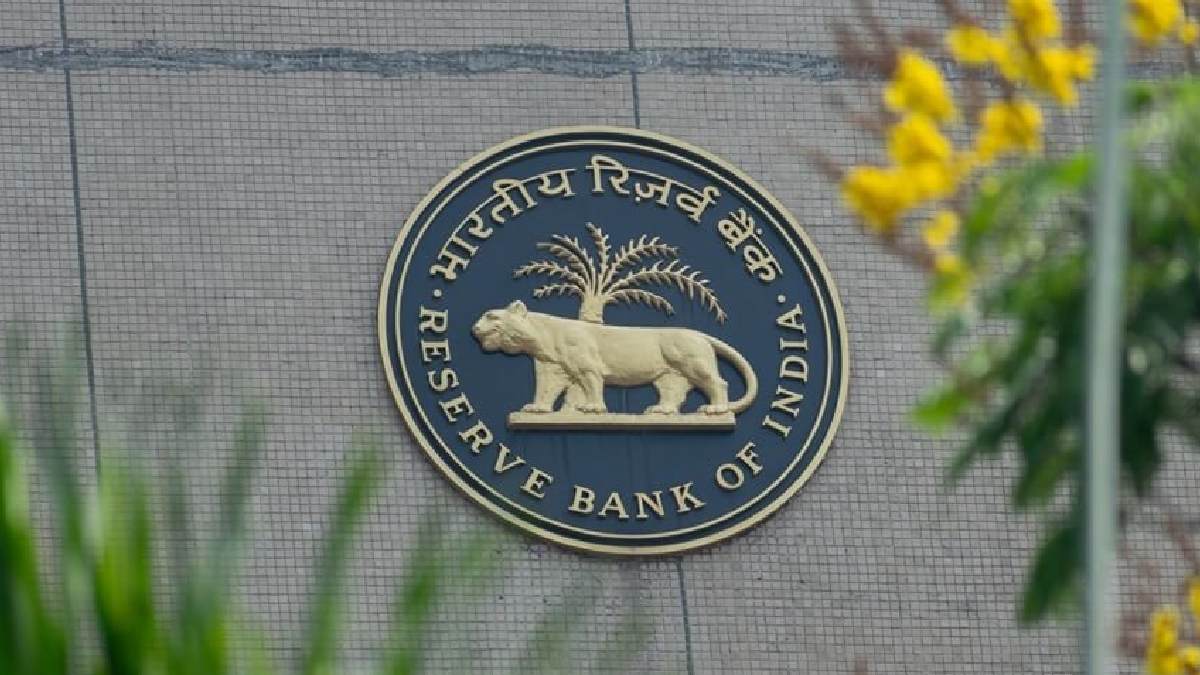
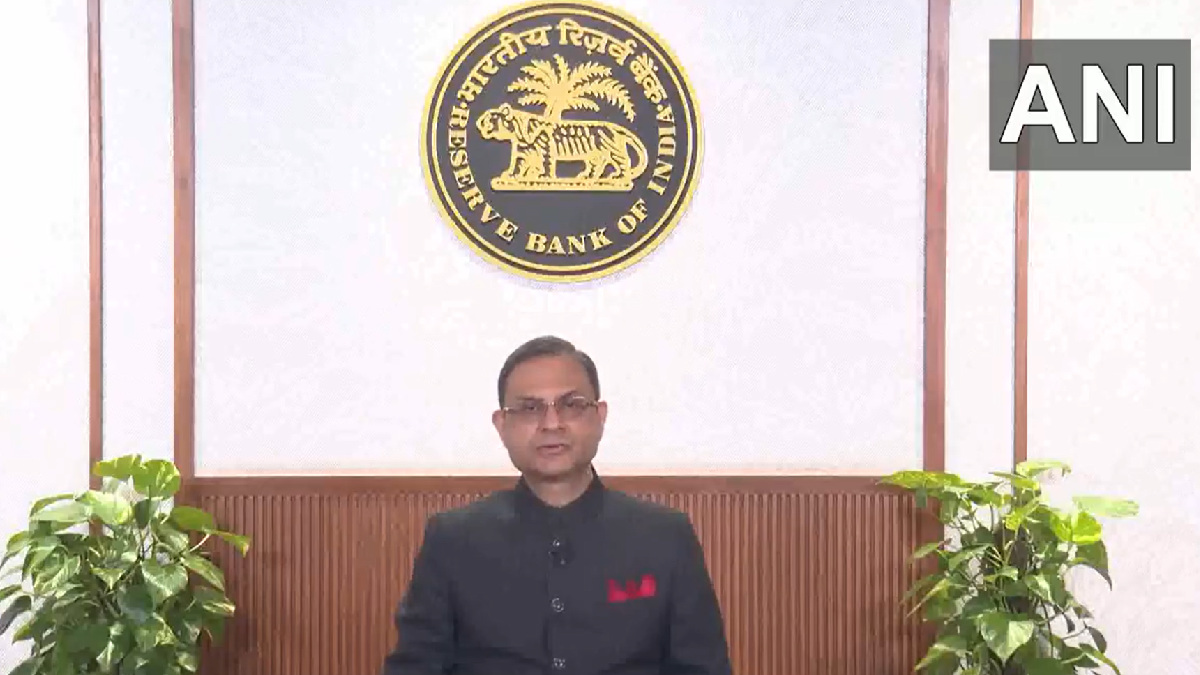
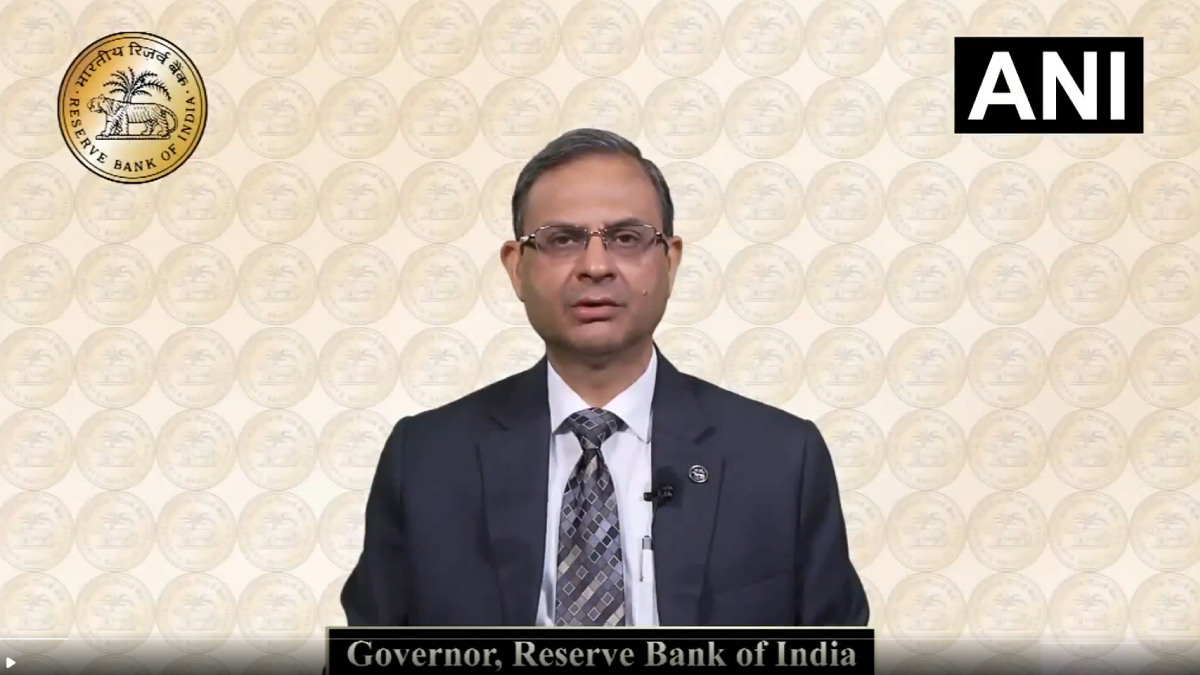
RBI lowers economic growth forecast for fiscal 2026-27 due to changing global and domestic conditions. In a speech at the RBI Governor's meeting on Friday, Sanjay Malhotra said the central bank now expects India's GDP to grow at 6.6% for this year and the next year (2026-27) and not 6.9%.
The downward revision is consistent with the RBI's cautious view today of the economy at a time of increased geopolitical tension, high crude oil prices, global trade uncertainties, and inflationary pressures that still weigh on growth prospects.
The revised outlook was unveiled following the Monetary Policy Committee (MPC) meeting, and the central bank also kept the repo rate at 5.25% and maintained a neutral policy.
Quarterly estimates of growth have been revised downward
In addition to lowering the full-year GDP forecast, RBI has also reduced growth projections for each quarter of FY2026-27.
The Indian economy is expected to expand by 6.6% in the first quarter, 6.3% in the second quarter, 6.5% in the third quarter, and 6.8% in the fourth quarter.
These are significantly lower than the estimates announced during the April monetary policy review. At that time, the RBI had predicted growth of 6.8% for the first quarter, 6.7% for the second quarter, 7.0% for the third quarter, and 7.2% for the last quarter of the fiscal year.
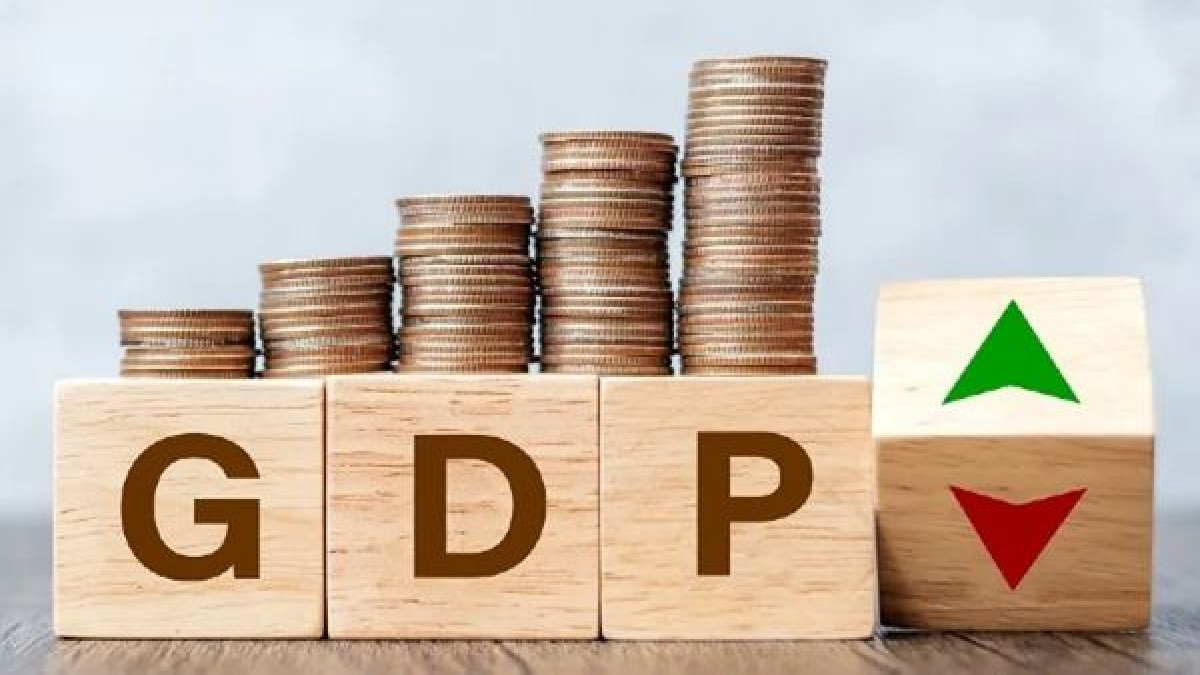
The new forecasts suggest the central bank expects there is still going to be resilience in economic activity but that it will be somewhat weaker than expected.
Global Headwinds Impact Outlook
At a time when the global economy is experiencing many problems, RBI's decision comes amid multiple challenges. Rising energy prices, supply chain disruptions, geopolitical tensions, and volatility in international financial markets have put India in the crosshairs in the present situation.
Higher crude oil prices are also a particular concern for India, which imports a lot of its energy requirements. Rising import costs are not only affecting inflation but also affect the country’s current account balance and the economy’s stability.
The weakening of the Indian rupee against the U.S. dollar has added to the concerns, as it makes imports more expensive and adds to inflationary pressures.
India’s growth story is strong too
Despite the downward revision in the RBI's forecast, India remains one of the fastest-growing major economies in the world. The economy is supported by strong domestic consumption, government-led infrastructure spending, good manufacturing activity, and a largely healthy services sector.
The 6.6 percent growth rate is still good by global standards, especially at the same time when some advanced economies have been slow in growth because of economic uncertainty.
The central bank also said that the projections are based on current information and may change in future policy reviews based on domestic and international developments.
Investors and markets are closely watching the revised GDP forecast, which will be closely examined by investors, businesses, and policymakers. And yet the downgrade is not only a matter of caution but also shows that RBI is more than ready to give realistic economic forecasts.
Economists think that future growth will be dependent on inflation trends, global energy prices, export performance, private investment, and the effectiveness of government measures to support economic activity.
With the world economy in a difficult state and the need for investment in India as it is, the RBI's latest forecast is a reminder of the opportunities and risks to the economy of India. And while growth expectations are tempered, the central bank is optimistic that India's economic fundamentals will continue to support steady expansion in the years ahead.





Comments