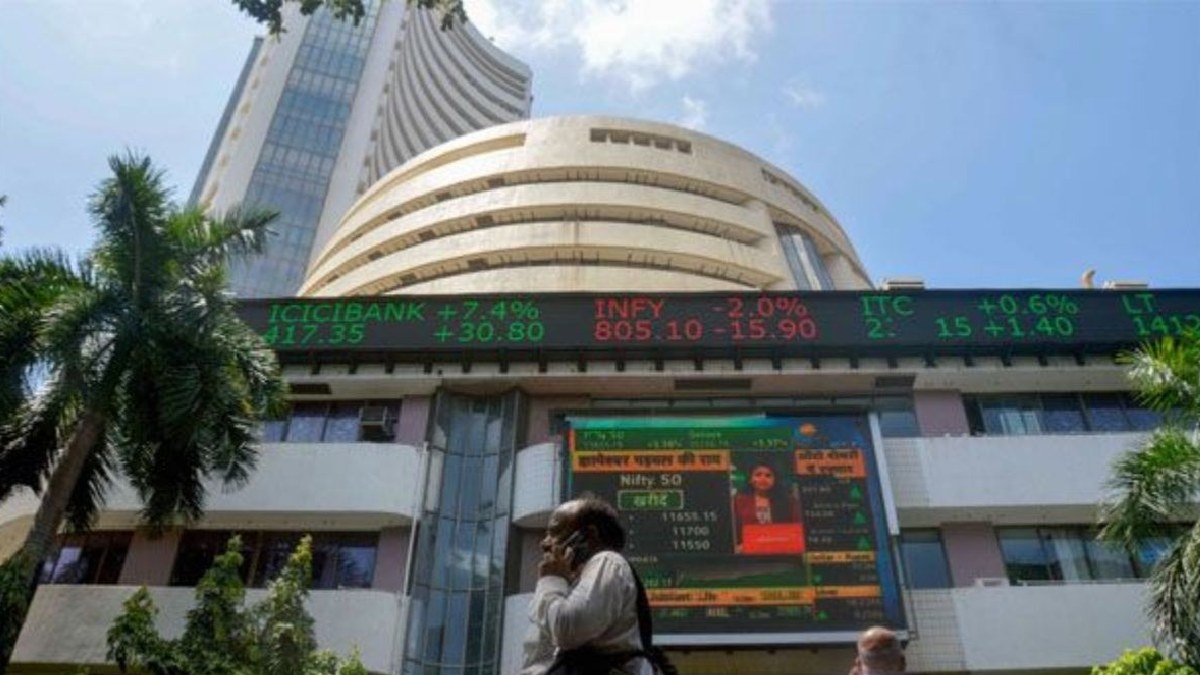
Today, Indian stock markets demonstrated a massive sell-off as a combination of foreign investors selling, as well as global signals and fears of financial crashes, underpinned the movement.

The crash erased over Rs 8 lakh crore of investor assets in one session and triggered panic across Dalal Street. The main asset class of the BSE Sensex dropped over 1,000 points intraday, and the Nifty 50 was also lower after banks, IT, as well as metal and auto markets were under pressure to sell their shares.
A handful of heavyweight stocks, banking and technology companies, large-cap industrial companies and others crashed, which resulted in a broader loss for the market. Mid-cap and small-cap indexes were lower, too, as investors raced to take profits and diversify out of riskier assets. Market academics pointed to a number of major contributors to the steep drops in price of shares on the Indian market: a series of red flags for the stocks.
Global Market Weakness
One main reason is weakness in the world’s equity markets. Sluggish growth in large markets, shaky interest rates from the US Federal Reserve, and a recession to come stoked worldwide demand for a death grip. Asian and European markets slid, rocking the home front. Futures in the U.S. were weaker in some cases, contributing to the prevailing bearish mood.
Foreign Investor Selling
Foreign Institutional Investors (FIIs) kept dumping stocks, reports said. That outflow from the overseas funds has continued for a few sessions now. Higher US bond yields and a firmer dollar have dampened early-stage economies such as India’s attractiveness in the short term and pushed global funds to re-invest their money in less risky assets.
Profit-Booking After Recent Rally
It is also likely that the sharp correction was exacerbated by profit-booking following the profit surge in the market in the past few weeks. Most stocks have surged in the past few weeks, so traders and institutional investors, greedy for gains, have been raising the stakes as well. That put further pressure on selling in some of the market’s high valuation sectors, including technology and mid-cap stocks.
The higher price of oil will also add some additional inflation pressure: corporate business profits will decrease in India; fiscal balance and consumer expenditure will go down. Investors also worry that rising inflation could delay interest-rate cuts by central banks around the world.
The largest decliners in banking and IT stocks were also the biggest winners. A global demand slump, weak earnings growth and economic uncertainty could sour the fortunes of the big companies investors dread. A chain of big financial institutions and software suppliers' stocks plunged, fueling momentum for the Sensex slide.
If the correction on the stock market comes in a hurry at this pace, market experts say that is not something that should lead to panic for long-term investors. Market makers have advised for decades not to panic, even in the face of a drastic reduction, even during a crisis.
That kind of volatile movement is characteristic of stock markets, critics say, so investors should never make their decisions based on emotions rather than cold stock-price short-term speculation. Advisors advise them to take proper judgment in a period of such periods of market movements during such momentous market transitions, and let go of any emotions they might feel for short-term disruptions.
Financial advisers would state that well thought out allocation policies of a kind will maintain the charts at the top of the list, high and low in high and low numbers while the stock can be highly hot in high gear, as the saying goes: A calm investment, a stable investment and disciplined investment in and diversification of stocks or fundamental strength in companies makes sense.
Investors are now paying close attention to worldwide economic numbers, crude oil prices, foreign fund flows and short-term corporate profits to get more direction for the market.