
OpenAI CEO Sam Altman has acknowledged that the impact of artificial intelligence on businesses and the wider economy has unfolded more slowly than he initially expected. With the rapid development of increasingly capable AI systems, companies and workers have not adopted the technology at the pace many industry leaders predicted after the launch of ChatGPT.
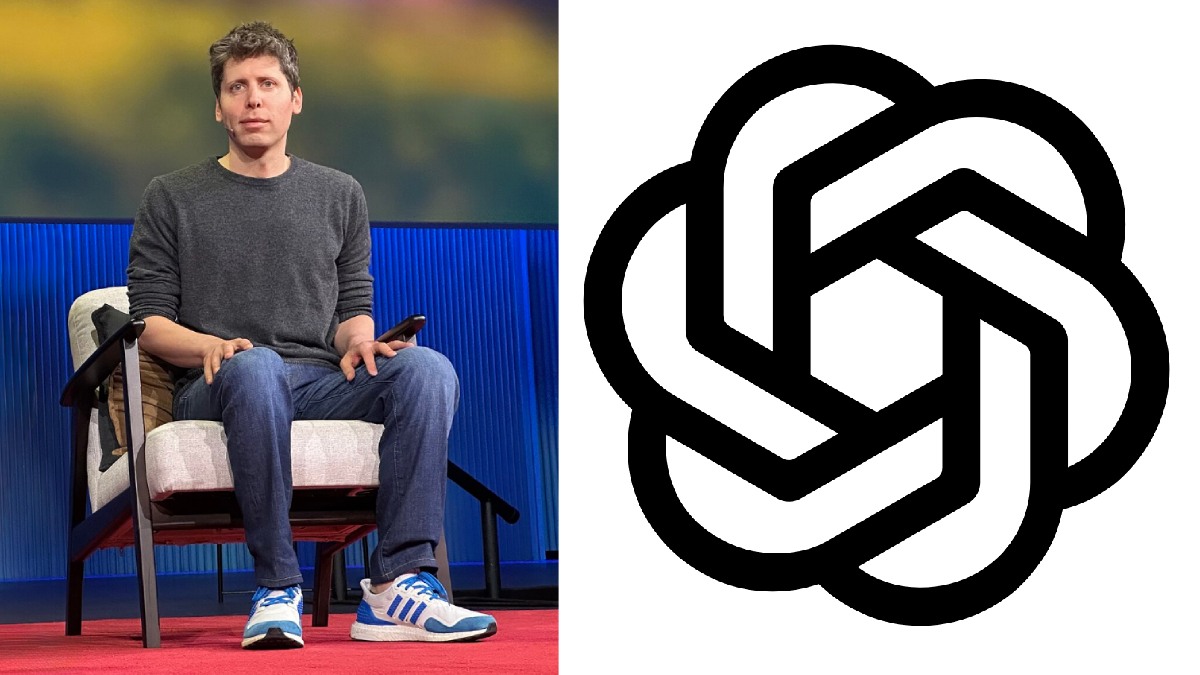
Altman’s comments offer one of the most interesting perspectives on the gap between AI’s technological progress and its real-world adoption. AI tools have become so much better in the past few years, but integrating them into established businesses, workplaces, and everyday workflows has been much slower.
On his podcast, Altman reflected on his earlier expectations about the arrival of more advanced AI models. He said that when GPT-4 was released in 2023, he thought the technology would trigger much more immediate disruption across industries. And, in particular, software companies and established business models would be much harder to work for much quicker than they actually did.
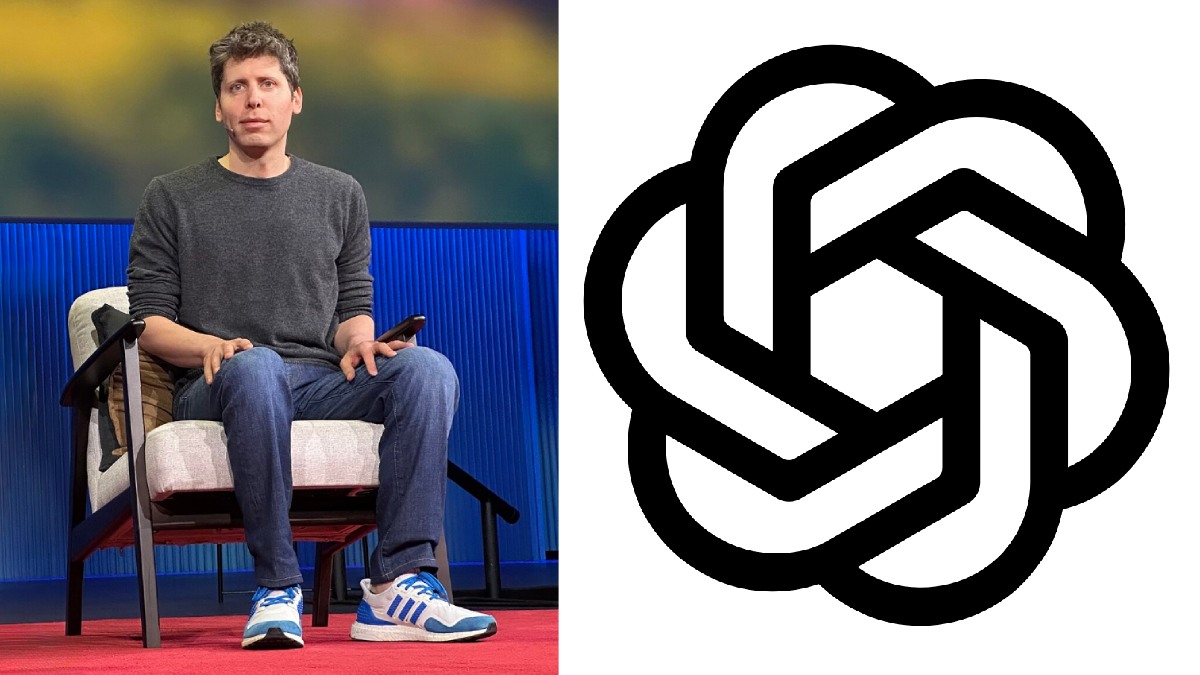
“I thought when we got to GPT-4, which was back in 2023, that very quickly after that there was going to be much more disruption, software businesses up for grabs right away, than it turned out to be,” Altman said.
The admission is also a manifestation of a much broader reality about the AI boom. AI systems have advanced rapidly, but technological capability is not enough to overcome the need for effective implementation. Businesses will need to change internal processes, train employees, assess risk, and see if AI really yields tangible benefits.
Altman pointed to what he called economic inertia. Businesses and people are often quite comfortable with the existing products, brands, and working methods and don’t want to really change anything so soon since new technology is available.

Such inertia can be especially powerful in big organisations. When AI is introduced, companies will now need to rethink everything from employee duties and software systems to data management and security practices. Even if executives realise the potential gains, changing established workflows can take considerable time.
The situation also illustrates how the prediction of AI-driven disruption has been hard to measure. Since the arrival of ChatGPT, there has been widespread expectation that artificial intelligence would quickly replace a lot of jobs, transform industries, and completely eradicate many old software products. AI has certainly changed how many people are employed, but the transformation has not been universal.
But for OpenAI and other AI firms, this slower adoption is also a different kind of difficulty. There is a rapid improvement in AI technology, but demand and implementation can be slow to catch up. And rather than AI companies simply solving the limitations of model capability, they have to convince companies and consumers to incorporate these capabilities into their day-to-day lives too.
There are already clear examples of AI being useful in coding, writing, research, customer service, data analysis, and content creation. Developers can use AI assistants to speed up programming tasks, while businesses can automate certain repetitive processes. But these individual productivity gains don’t necessarily translate into an immediate transformation of entire industries.
Altman’s comments also give some perspective on predictions about the most extreme consequences of artificial intelligence. The debate around AI has often featured warnings about mass unemployment, powerful autonomous systems, and large-scale disruption to existing economic structures. Yet some of those scenarios have never actually materialized at the scale or speed originally anticipated.
That does not mean the risks or potential disruption should be dismissed. But from the past history, it would seem the technology change can be more complex than a bold new tool and how instantly society can reorganise around it.
AI development next to that is likely to be about adoption as much as model performance. And improving AI capabilities is only one part of the equation. Companies will also need to identify where AI can be useful, how employees will need to work alongside those systems, and if any organisational changes need to be made to help use the AI effectively.
For Altman, the slower-than-expected disruption seems to have been a lesson in the strength of established economic and workplace habits. AI may be developing at extraordinary speed, but people and institutions often move much more slowly.
As AI companies continue to release new advanced systems, the question of whether or not the technology can perform increasingly complex tasks may no longer be whether it can, but instead how quickly businesses and society are willing to change their old habits in order to make full use of what AI can already do.
The distinction between rapid technological advancement and slower adoption may become one of the defining themes of the next phase of the AI revolution. Altman’s admission that he underestimated this inertia suggests that even the leaders driving the technology are still learning how difficult it can be to predict the pace at which society changes.








Comments